THE ADVENTURE COLLECTIVE® · Independent discovery and booking for outdoor travel

Spend five hours moving from Qoricancha’s stone sanctuaries to the towering walls of Sacsayhuamán while a certified guide explains Inca engineering and ceremony. This compact morning or afternoon circuit is ideal for acclimatizing and getting oriented in Cusco.
Spend five hours moving from Qoricancha’s stone sanctuaries to the towering walls of Sacsayhuamán while a certified guide explains Inca engineering and ceremony. This compact morning or afternoon circuit is ideal for acclimatizing and getting oriented in Cusco.
A thin, high-altitude air greets the group as the van eases away from a narrow Cusco street and climbs toward the stone ramparts above the city. In minutes the skyline opens: terraces and carved blocks loom, and the tour guide's voice threads Inca stories into the present.
Verified experiences and guided adventures in the surrounding area.
Operated by FLY CUSCO Perú Travel Agency · Cusco, Cusco
A thin, high-altitude air greets the group as the van eases away from a narrow Cusco street and climbs toward the stone ramparts above the city. In minutes the skyline opens: terraces and carved blocks loom, and the tour guide's voice threads Inca stories into the present.
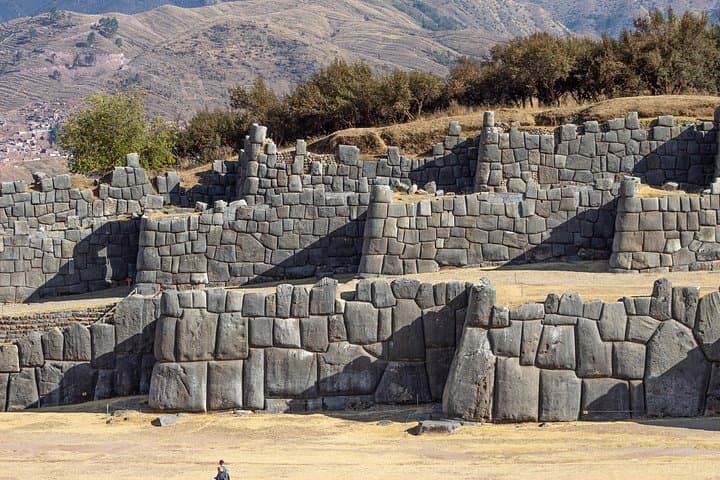
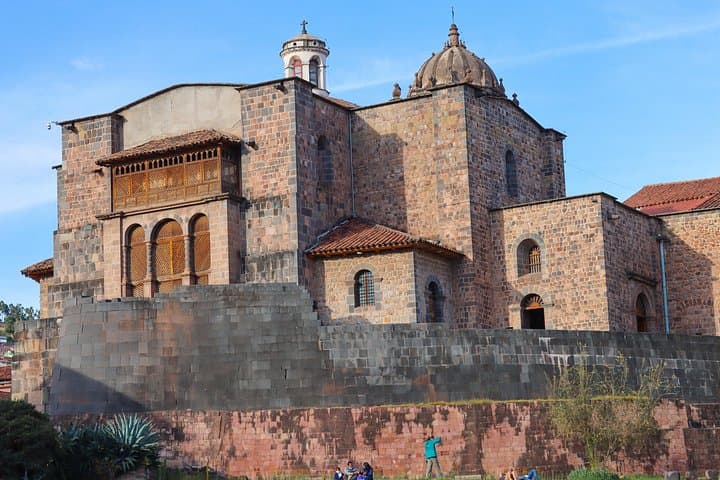
The half-day circuit visits Qoricancha (Santo Domingo), the colossal hill fortress of Sacsayhuamán, the ceremonial amphitheater at Qenqo, the red-stone defensive works of Puka Pukara, and the spring-fed channels of Tambomachay. These sites show two layers of history — finely fit Inca masonry and the later Spanish adaptations — and together they map how water, stone and ceremony shaped life in the imperial capital. Geologically, the area sits on high Andean bedrock and volcanic deposits that allowed the Incas to carve massive blocks and build terraces that resist erosion.
Practicalities are straightforward: the tour lasts about five hours with hotel pickup and drop-off, light walking on uneven stone and short steep sections, and multiple short stops for photos and explanation. Expect thin air at ~3,400 m (11,150 ft); the pace is gentle but altitude makes rest and hydration important.
Bring a daypack with water, a sun hat, warm layers for wind and sun, and sturdy walking shoes. Start the tour early if possible to avoid midday crowds and to give your body a better chance to acclimatize. The route is rich in photo opportunities and quick cultural context — a compact introduction to Cusco's archaeology for newcomers and a practical first-day orientation for longer treks to follow.
The tour is approximately 5 hours; pickup times vary by hotel but are typically scheduled in the morning or early afternoon—confirm at booking.
This listing indicates admission is not included for some sites; confirm with the operator whether tickets are provided or if you should purchase a Boleto Turístico separately.
The tour involves walking on uneven stone and short steep sections; it’s rated easy to suitable for most fitness levels but not recommended for those with serious mobility restrictions.
Yes—Cusco sits around 3,400 m. Drink water, go slowly, avoid heavy exertion before the tour, and consult a physician about medication if you have prior altitude issues.
FLY CUSCO Perú Travel Agency operates guided outdoor trips and adventures with an emphasis on safety, stewardship, and memorable experiences.


A thin, high-altitude air greets the group as the van eases away from a narrow Cusco street and climbs toward the stone ramparts above the city. In minutes the skyline opens: terraces and carved blocks loom, and the tour guide's voice threads Inca stories into the present.
A thin, high-altitude air greets the group as the van eases away from a narrow Cusco street and climbs toward the stone ramparts above the city. In minutes the skyline opens: terraces and carved blocks loom, and the tour guide's voice threads Inca stories into the present.
The half-day circuit visits Qoricancha (Santo Domingo), the colossal hill fortress of Sacsayhuamán, the ceremonial amphitheater at Qenqo, the red-stone defensive works of Puka Pukara, and the spring-fed channels of Tambomachay. These sites show two layers of history — finely fit Inca masonry and the later Spanish adaptations — and together they map how water, stone and ceremony shaped life in the imperial capital. Geologically, the area sits on high Andean bedrock and volcanic deposits that allowed the Incas to carve massive blocks and build terraces that resist erosion.
Practicalities are straightforward: the tour lasts about five hours with hotel pickup and drop-off, light walking on uneven stone and short steep sections, and multiple short stops for photos and explanation. Expect thin air at ~3,400 m (11,150 ft); the pace is gentle but altitude makes rest and hydration important.
Bring a daypack with water, a sun hat, warm layers for wind and sun, and sturdy walking shoes. Start the tour early if possible to avoid midday crowds and to give your body a better chance to acclimatize. The route is rich in photo opportunities and quick cultural context — a compact introduction to Cusco's archaeology for newcomers and a practical first-day orientation for longer treks to follow.