THE ADVENTURE COLLECTIVE® · Independent discovery and booking for outdoor travel

See six of Delhi’s major devotional sites in a curated half-day private tour. From the Mughal scale of Jama Masjid to the modern calm of the Lotus Temple, this route packs history and architecture into a single morning or afternoon.
See six of Delhi’s major devotional sites in a curated half-day private tour. From the Mughal scale of Jama Masjid to the modern calm of the Lotus Temple, this route packs history and architecture into a single morning or afternoon.
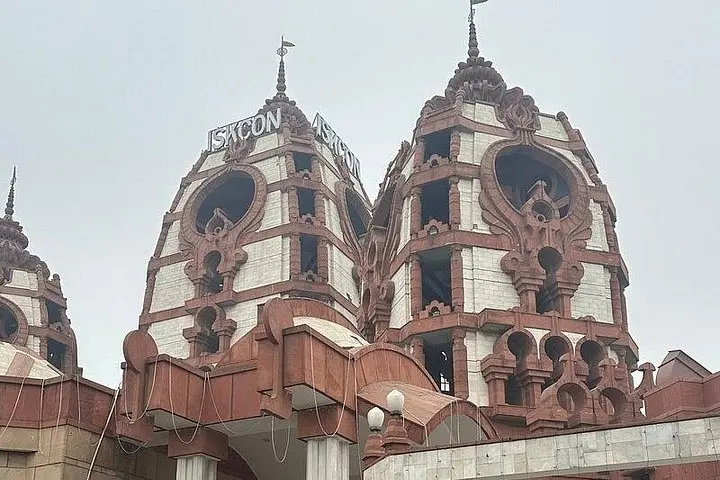
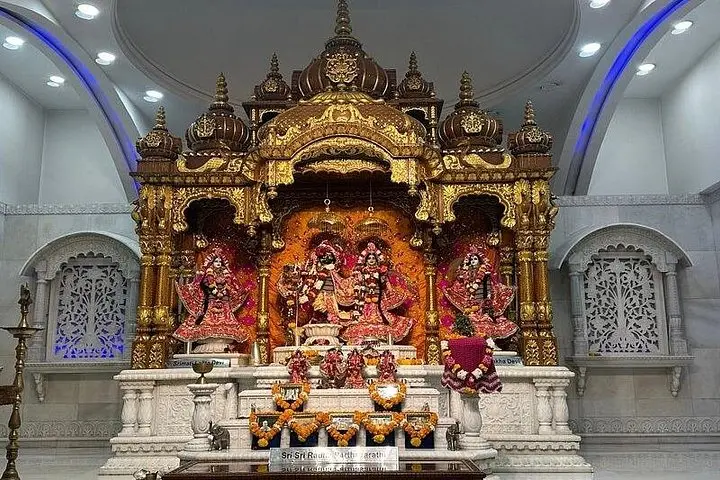
The city presses close: traffic hums, vendors call, and within an hour a cooled private car slips you from glass-fronted hotels into courtyards where light and shadow play on stone. In six compact hours this private tour threads Delhi’s major devotional sites — the Mughal arches of Jama Masjid, the white-petal calm of the Lotus Temple, the carved stone spectacle of Akshardham, the hill-top ISKCON complex, the reflective sarovar at Gurudwara Bangla Sahib, and the Orissan-style Birla Mandir.
Verified experiences and guided adventures in the surrounding area.
Operated by Bagga India Tour · New Delhi, Delhi
The city presses close: traffic hums, vendors call, and within an hour a cooled private car slips you from glass-fronted hotels into courtyards where light and shadow play on stone. In six compact hours this private tour threads Delhi’s major devotional sites — the Mughal arches of Jama Masjid, the white-petal calm of the Lotus Temple, the carved stone spectacle of Akshardham, the hill-top ISKCON complex, the reflective sarovar at Gurudwara Bangla Sahib, and the Orissan-style Birla Mandir.
Jama Masjid, completed in the 17th century, anchors the old city with Mughal scale and urban bustle. Akshardham, a modern complex opened in 2005, contrasts with minimalist 20th-century Bahá’í design at the Lotus Temple (1986). These sites reflect Delhi’s layered history: imperial capitals, colonial-era philanthropy, and post-independence religious expression. Architecture here is geology and craft — red sandstone, white marble, carved sandstone projecting stories in relief.
Expect walking on paved courtyards, some steps and security checks, and time-limited visits (about 30–60 minutes per stop). Guides clarify dress codes, the significance of each shrine, and which areas require shoe removal. Practical planning matters: temples like Akshardham and the Lotus close on Mondays and traffic can carve extra time from the schedule, so morning departures are best.
Bring sun protection, modest clothing for easy entry, a reusable water bottle, and comfortable shoes. The pace is intimate and curated — a concentrated cultural loop that lets you read Delhi’s spiritual topography without committing more than a half day.
Some monuments include entrance if you book an all-inclusive option; confirm with the operator when booking.
Food is generally not permitted inside sanctums; Sikh Gurdwaras offer free community meals (langar) with separate dining areas.
Many temples have steps and limited ramps; contact the operator to confirm accessibility at specific stops and arrange assistance.
Yes — some temples and the Gurudwara require shoe removal and provide shoe storage; bring socks if preferred.
Bagga India Tour operates guided outdoor trips and adventures with an emphasis on safety, stewardship, and memorable experiences.

The city presses close: traffic hums, vendors call, and within an hour a cooled private car slips you from glass-fronted hotels into courtyards where light and shadow play on stone. In six compact hours this private tour threads Delhi’s major devotional sites — the Mughal arches of Jama Masjid, the white-petal calm of the Lotus Temple, the carved stone spectacle of Akshardham, the hill-top ISKCON complex, the reflective sarovar at Gurudwara Bangla Sahib, and the Orissan-style Birla Mandir.
The city presses close: traffic hums, vendors call, and within an hour a cooled private car slips you from glass-fronted hotels into courtyards where light and shadow play on stone. In six compact hours this private tour threads Delhi’s major devotional sites — the Mughal arches of Jama Masjid, the white-petal calm of the Lotus Temple, the carved stone spectacle of Akshardham, the hill-top ISKCON complex, the reflective sarovar at Gurudwara Bangla Sahib, and the Orissan-style Birla Mandir.
Jama Masjid, completed in the 17th century, anchors the old city with Mughal scale and urban bustle. Akshardham, a modern complex opened in 2005, contrasts with minimalist 20th-century Bahá’í design at the Lotus Temple (1986). These sites reflect Delhi’s layered history: imperial capitals, colonial-era philanthropy, and post-independence religious expression. Architecture here is geology and craft — red sandstone, white marble, carved sandstone projecting stories in relief.
Expect walking on paved courtyards, some steps and security checks, and time-limited visits (about 30–60 minutes per stop). Guides clarify dress codes, the significance of each shrine, and which areas require shoe removal. Practical planning matters: temples like Akshardham and the Lotus close on Mondays and traffic can carve extra time from the schedule, so morning departures are best.
Bring sun protection, modest clothing for easy entry, a reusable water bottle, and comfortable shoes. The pace is intimate and curated — a concentrated cultural loop that lets you read Delhi’s spiritual topography without committing more than a half day.