THE ADVENTURE COLLECTIVE® · Independent discovery and booking for outdoor travel

Ride camels, watch the sunset over wind-carved dunes and explore an abandoned desert village on this half-day safari from Jaisalmer. Ideal for travelers seeking easy, scenic desert access with cultural touches and a shared evening camp.
Ride camels, watch the sunset over wind-carved dunes and explore an abandoned desert village on this half-day safari from Jaisalmer. Ideal for travelers seeking easy, scenic desert access with cultural touches and a shared evening camp.
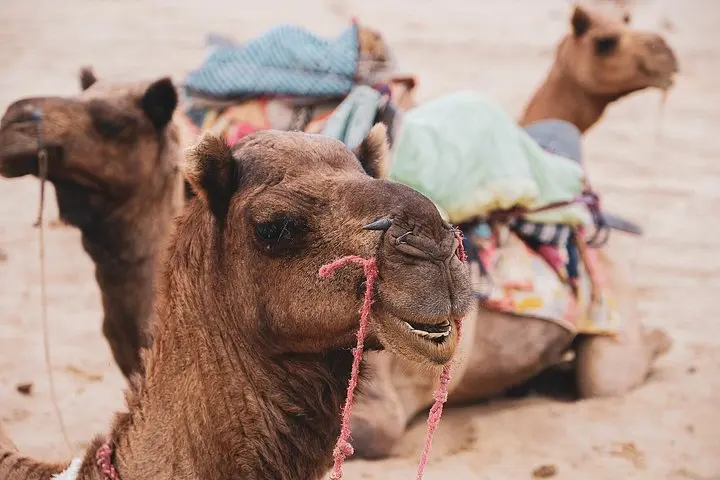
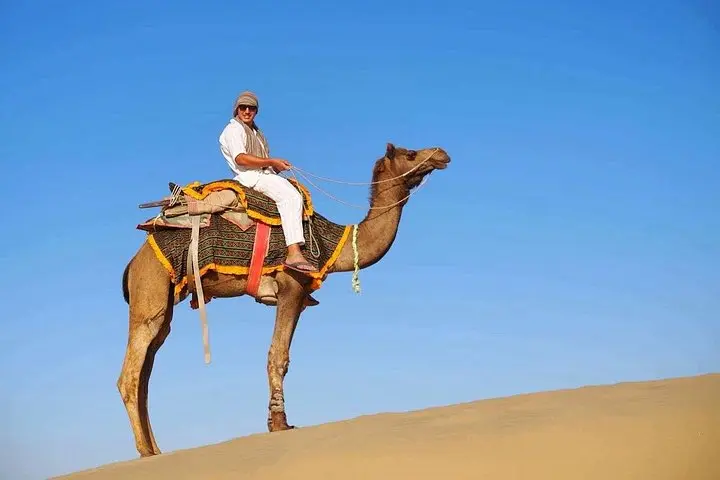
The late-afternoon sun leans low over rippled sandstone hills as the convoy cuts across the golden plain outside Jaisalmer. Wind picks up sand into a fine grit that seems intent on rewriting footprints as you head toward the dunes; camels sway, engines hum, and the desert takes on a slow, wide silence.
Verified experiences and guided adventures in the surrounding area.
Operated by Real Desert Man Camel Safari · Jaisalmer, Rajasthan
The late-afternoon sun leans low over rippled sandstone hills as the convoy cuts across the golden plain outside Jaisalmer. Wind picks up sand into a fine grit that seems intent on rewriting footprints as you head toward the dunes; camels sway, engines hum, and the desert takes on a slow, wide silence.
This half-day safari threads cultural history and stark geology. Near Jaisalmer the Thar’s dunes are recent, wind-sculpted deposits riding an arid plain once part of an inland sea. Travelers typically visit an abandoned settlement—Kuldhara-style ghost village—whose empty courtyards and centuries-old stonework reflect a turbulent local past from the 19th century. As the sun falls, the dunes bruise into color bands and the horizon becomes a living photograph.
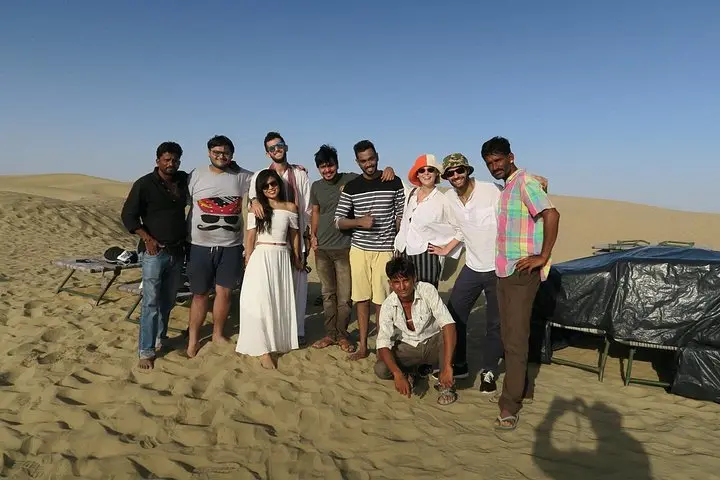
Locally, the experience blends Rajasthani hospitality with simple camp rituals: spiced tea, a short camel ride, and a community-style dinner with folk music in the open air. The desert’s scale gives a practical lesson in preparation: heat, sand, and exposure are the main factors to manage.
Plan to arrive hydrated, wear closed shoes and sun protection, and keep cameras protected from grit. Timed for sunset, the tour is best in cooler months (October–March) when light is kinder and evenings are comfortable. Expect minimal walking, intermittent vehicle transfers, and a relaxed pace designed for broad views and easy cultural access. Respect local customs, stay on designated routes, and pack out what you bring—this fragile landscape responds to human footprints long after you leave.
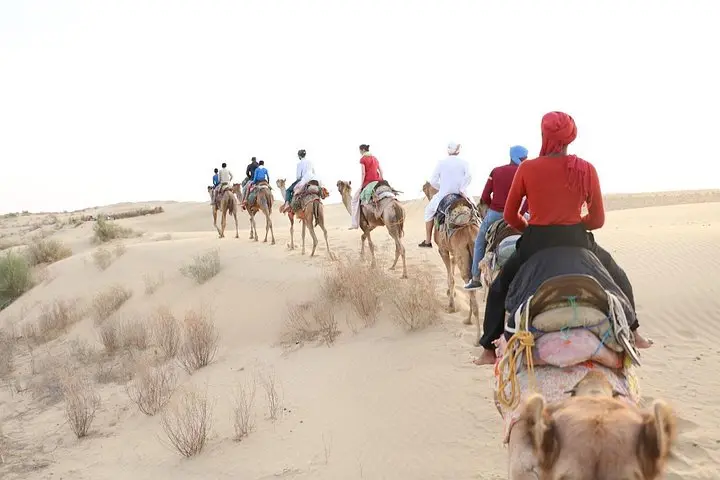
Yes—short camel rides at the dunes are normally included, typically 45–90 minutes depending on the itinerary.
Generally yes; the tour is classified as easy, but infants must sit on laps and those with spine, heart or pregnancy concerns are advised not to participate.
Pickup and drop to central Jaisalmer locations are usually included—confirm your pickup point when booking.
October through March offers mild days and pleasant evenings; summers can be extremely hot and uncomfortable for extended outdoor activities.
Real Desert Man Camel Safari operates guided outdoor trips and adventures with an emphasis on safety, stewardship, and memorable experiences.
The late-afternoon sun leans low over rippled sandstone hills as the convoy cuts across the golden plain outside Jaisalmer. Wind picks up sand into a fine grit that seems intent on rewriting footprints as you head toward the dunes; camels sway, engines hum, and the desert takes on a slow, wide silence.
The late-afternoon sun leans low over rippled sandstone hills as the convoy cuts across the golden plain outside Jaisalmer. Wind picks up sand into a fine grit that seems intent on rewriting footprints as you head toward the dunes; camels sway, engines hum, and the desert takes on a slow, wide silence.
This half-day safari threads cultural history and stark geology. Near Jaisalmer the Thar’s dunes are recent, wind-sculpted deposits riding an arid plain once part of an inland sea. Travelers typically visit an abandoned settlement—Kuldhara-style ghost village—whose empty courtyards and centuries-old stonework reflect a turbulent local past from the 19th century. As the sun falls, the dunes bruise into color bands and the horizon becomes a living photograph.
Locally, the experience blends Rajasthani hospitality with simple camp rituals: spiced tea, a short camel ride, and a community-style dinner with folk music in the open air. The desert’s scale gives a practical lesson in preparation: heat, sand, and exposure are the main factors to manage.
Plan to arrive hydrated, wear closed shoes and sun protection, and keep cameras protected from grit. Timed for sunset, the tour is best in cooler months (October–March) when light is kinder and evenings are comfortable. Expect minimal walking, intermittent vehicle transfers, and a relaxed pace designed for broad views and easy cultural access. Respect local customs, stay on designated routes, and pack out what you bring—this fragile landscape responds to human footprints long after you leave.