THE ADVENTURE COLLECTIVE® · Independent discovery and booking for outdoor travel

See Tahiti’s essentials in a focused half-day: lighthouse views at Pointe Vénus, valley waterfalls, ancient marae and coastal caverns. This guided loop pairs natural highlights with cultural context and straightforward logistics for travelers short on time.
See Tahiti’s essentials in a focused half-day: lighthouse views at Pointe Vénus, valley waterfalls, ancient marae and coastal caverns. This guided loop pairs natural highlights with cultural context and straightforward logistics for travelers short on time.
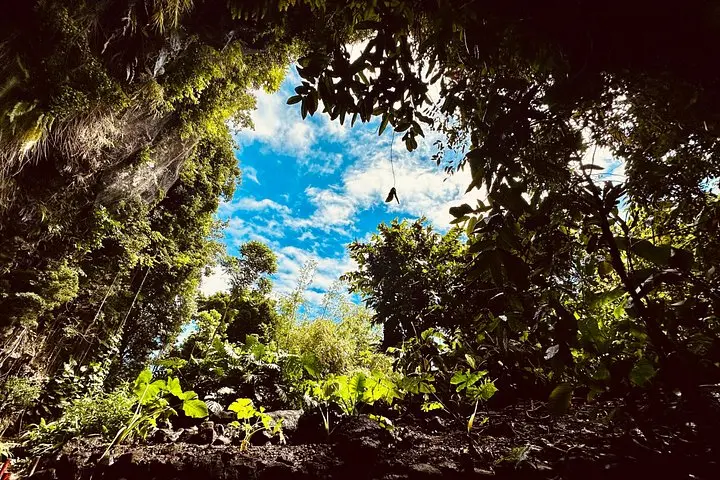
You step off the minivan onto a black-sand rim where wind and surf keep time — Pointe Vénus stretching west, palms leaning as if listening. The guide points to the weathered lighthouse and the bay where James Cook watched the transit of Venus in 1769; the air tastes faintly of salt and tropical flower. Over the next four hours the island unfolds: roadside valleys, twin and triple waterfalls spilling through dense green, compact marae set in tidy clearings, and limestone caverns breathing cool, damp air.
Verified experiences and guided adventures in the surrounding area.
Operated by Marie-Jeanne · Papeete, Tahiti
You step off the minivan onto a black-sand rim where wind and surf keep time — Pointe Vénus stretching west, palms leaning as if listening. The guide points to the weathered lighthouse and the bay where James Cook watched the transit of Venus in 1769; the air tastes faintly of salt and tropical flower. Over the next four hours the island unfolds: roadside valleys, twin and triple waterfalls spilling through dense green, compact marae set in tidy clearings, and limestone caverns breathing cool, damp air.
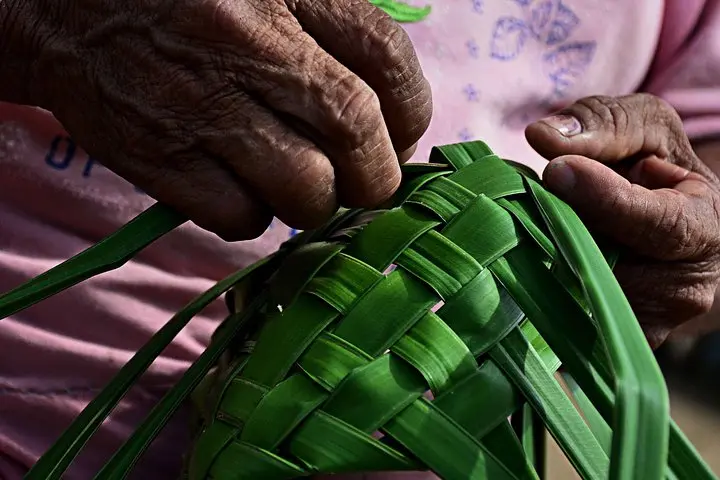
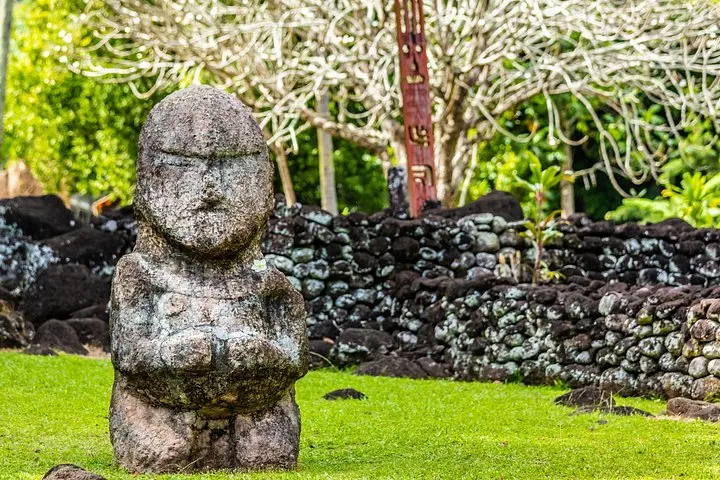
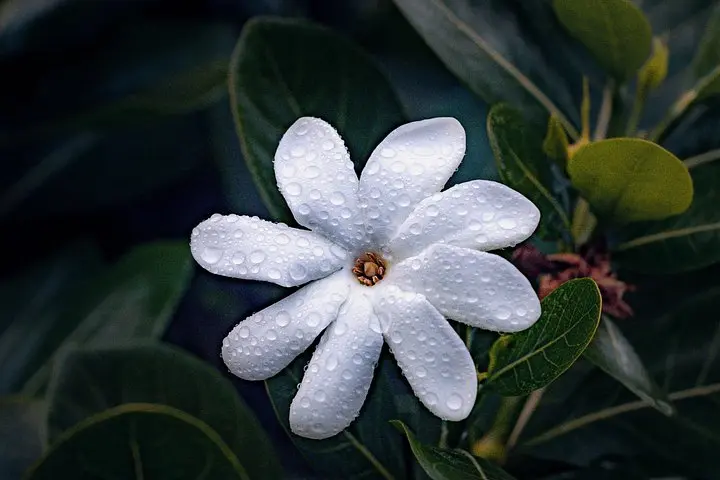
Tahiti’s geology is volcanic: steep ridges ring an uplifted central plateau, and coastal benches of basalt produce the island’s signature black sand. Cultural history sits alongside geology — stone temples (marae) mark pre-European ritual sites, and Spanish, British and French visits layered new narratives onto local Polynesian traditions. Guides often point out native plants used in tapa making and coconut processing, and small family stands where fresh fruit is sold straight from the tree.
Practical guidance: this is an easy-paced, guided loop best booked in the morning to avoid midday heat. Wear stable walking shoes for short trails to falls, bring sun protection and a lightweight rain layer — showers can be sudden. Hydrate: bottled water is provided, but a small refillable bottle is useful. Respect sacred sites by following signage and staying on paths; photography may be restricted at some marae. Expect light walking (20–40 minute stops), short hikes to viewpoints and photo stops; vehicle transfers handle the driving. The result is a compact, informative slice of Tahiti — geological drama, living culture, and clear reasons to come back for more time.
Most tours include pickup from central Papeete hotels—list your pickup point at booking to confirm exact time and meeting location.
Many marae on the itinerary are open to visitors but require respectful behavior; some have restricted areas or rules against climbing on stones.
Walks are short and informal (often under 30 minutes) but can be on uneven, slippery paths—sturdy shoes recommended.
The operator notes stroller accessibility for parts of the route, though some short trails and viewing points may be unsuitable for wheels.
Marie-Jeanne operates guided outdoor trips and adventures with an emphasis on safety, stewardship, and memorable experiences.
You step off the minivan onto a black-sand rim where wind and surf keep time — Pointe Vénus stretching west, palms leaning as if listening. The guide points to the weathered lighthouse and the bay where James Cook watched the transit of Venus in 1769; the air tastes faintly of salt and tropical flower. Over the next four hours the island unfolds: roadside valleys, twin and triple waterfalls spilling through dense green, compact marae set in tidy clearings, and limestone caverns breathing cool, damp air.
You step off the minivan onto a black-sand rim where wind and surf keep time — Pointe Vénus stretching west, palms leaning as if listening. The guide points to the weathered lighthouse and the bay where James Cook watched the transit of Venus in 1769; the air tastes faintly of salt and tropical flower. Over the next four hours the island unfolds: roadside valleys, twin and triple waterfalls spilling through dense green, compact marae set in tidy clearings, and limestone caverns breathing cool, damp air.
Tahiti’s geology is volcanic: steep ridges ring an uplifted central plateau, and coastal benches of basalt produce the island’s signature black sand. Cultural history sits alongside geology — stone temples (marae) mark pre-European ritual sites, and Spanish, British and French visits layered new narratives onto local Polynesian traditions. Guides often point out native plants used in tapa making and coconut processing, and small family stands where fresh fruit is sold straight from the tree.
Practical guidance: this is an easy-paced, guided loop best booked in the morning to avoid midday heat. Wear stable walking shoes for short trails to falls, bring sun protection and a lightweight rain layer — showers can be sudden. Hydrate: bottled water is provided, but a small refillable bottle is useful. Respect sacred sites by following signage and staying on paths; photography may be restricted at some marae. Expect light walking (20–40 minute stops), short hikes to viewpoints and photo stops; vehicle transfers handle the driving. The result is a compact, informative slice of Tahiti — geological drama, living culture, and clear reasons to come back for more time.