THE ADVENTURE COLLECTIVE® · Independent discovery and booking for outdoor travel

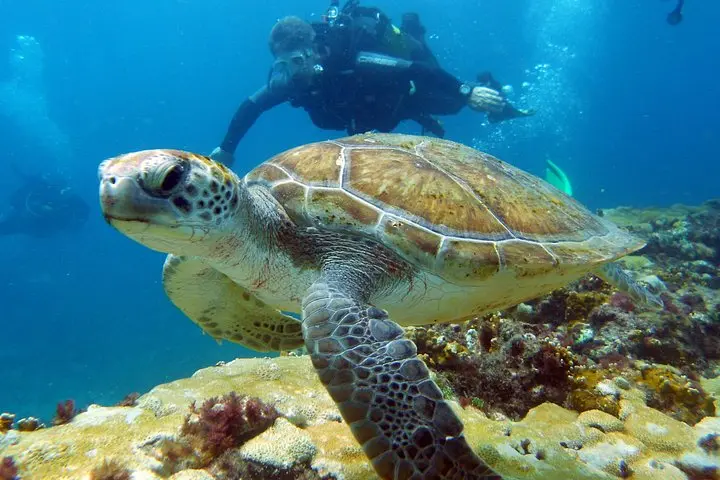
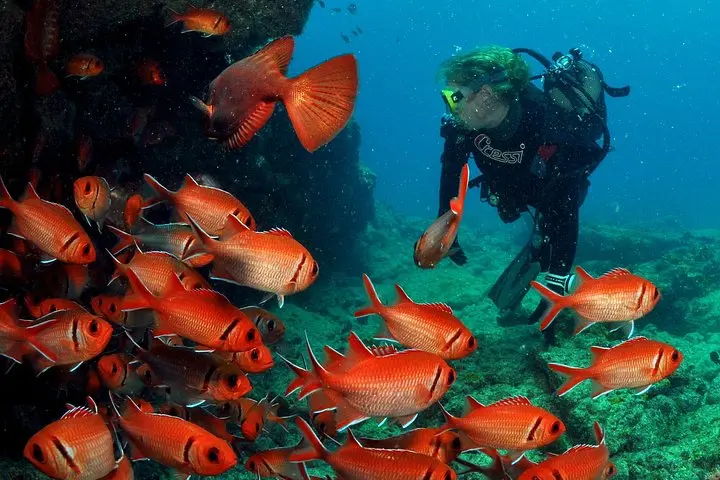
Spend a half-day exploring Sal’s volcanic walls, wrecks and reefs on two guided dives. Expect clear briefings, small groups, and diverse marine life from shoaling fish to coral-encrusted wrecks.
Spend a half-day exploring Sal’s volcanic walls, wrecks and reefs on two guided dives. Expect clear briefings, small groups, and diverse marine life from shoaling fish to coral-encrusted wrecks.
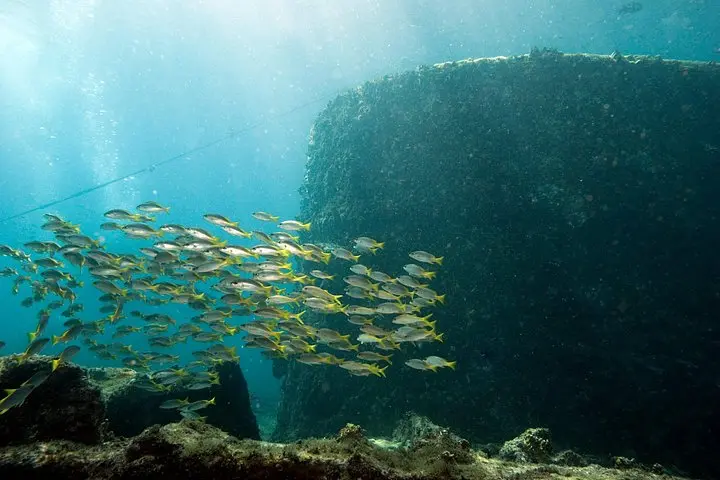
The first breath underwater is immediate: sunlight slices through warm water, volcanic walls drop away and shoals twist around rusted metal — Sal’s dive sites introduce themselves without preamble.
Verified experiences and guided adventures in the surrounding area.
Operated by cabo verde diving · Santa Maria, Sal
The first breath underwater is immediate: sunlight slices through warm water, volcanic walls drop away and shoals twist around rusted metal — Sal’s dive sites introduce themselves without preamble.
On a half-day dive from Santa Maria, divers typically run two guided dives: a deeper first descent (18–35 m) to explore walls and wrecks, then a shallower second dive (max 18 m) to meander among coral-covered ledges and reef fish. Sal’s geology — black volcanic rock and sculpted sea cliffs — creates undercuts, swim-throughs and artificial wreck habitats that attract both tropical and Mediterranean species.
Cape Verde’s human story is maritime: a crossroads of Atlantic sailing routes where fishing and salt production shaped coastal towns like Santa Maria. The island’s reefs are young in geological terms, formed by hot-spot volcanism; currents here concentrate nutrients, helping diverse fish life thrive. Locals balance tourism and subsistence fishing, and many dive shops work directly with communities to minimize reef damage.
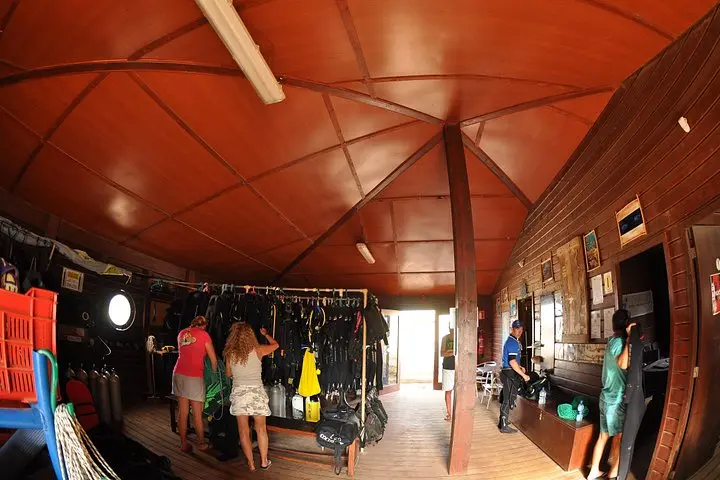
Practicalities are straightforward: pickup from hotels, a small-group ratio (usually 5–6 divers per guide), two tanks per diver and a typical surface window of 40–60 minutes underwater per dive depending on depth and air consumption. Certification proof is required for certified dives; equipment rental is usually extra (about €20). Watch surface intervals and avoid flying within 48 hours after diving. Expect sun on the boat, salt drying on your skin, and briefings focused on safety and protecting the reef.
For travelers comfortable in open water and with basic dive certification, Sal delivers efficient, varied half-day outings that pack wrecks, walls and abundant marine life into a single morning on the water.
Yes—evidence of Open Water certification is required for certified dives; discovery/intro dives may be available separately with additional instruction.
Typical first dives range 18–35 m, second dives are shallower (max 18 m); bottom time usually 40–60 minutes depending on depth and air consumption.
Tanks, weights and belts are included; full equipment rental is generally extra (about €20 payable at the dive center).
No—diving within 48 hours of flying is not recommended due to decompression risk; operators will require health questionnaires and may refuse divers with certain medical conditions.
cabo verde diving operates guided outdoor trips and adventures with an emphasis on safety, stewardship, and memorable experiences.
The first breath underwater is immediate: sunlight slices through warm water, volcanic walls drop away and shoals twist around rusted metal — Sal’s dive sites introduce themselves without preamble.
The first breath underwater is immediate: sunlight slices through warm water, volcanic walls drop away and shoals twist around rusted metal — Sal’s dive sites introduce themselves without preamble.
On a half-day dive from Santa Maria, divers typically run two guided dives: a deeper first descent (18–35 m) to explore walls and wrecks, then a shallower second dive (max 18 m) to meander among coral-covered ledges and reef fish. Sal’s geology — black volcanic rock and sculpted sea cliffs — creates undercuts, swim-throughs and artificial wreck habitats that attract both tropical and Mediterranean species.
Cape Verde’s human story is maritime: a crossroads of Atlantic sailing routes where fishing and salt production shaped coastal towns like Santa Maria. The island’s reefs are young in geological terms, formed by hot-spot volcanism; currents here concentrate nutrients, helping diverse fish life thrive. Locals balance tourism and subsistence fishing, and many dive shops work directly with communities to minimize reef damage.
Practicalities are straightforward: pickup from hotels, a small-group ratio (usually 5–6 divers per guide), two tanks per diver and a typical surface window of 40–60 minutes underwater per dive depending on depth and air consumption. Certification proof is required for certified dives; equipment rental is usually extra (about €20). Watch surface intervals and avoid flying within 48 hours after diving. Expect sun on the boat, salt drying on your skin, and briefings focused on safety and protecting the reef.
For travelers comfortable in open water and with basic dive certification, Sal delivers efficient, varied half-day outings that pack wrecks, walls and abundant marine life into a single morning on the water.