THE ADVENTURE COLLECTIVE® · Independent discovery and booking for outdoor travel

A concise, six-hour coach tour from Seoul that takes you to Imjingak Park, the 3rd Infiltration Tunnel and Dora Observatory. Expect controlled access, short steep walks, passport checks and clear views into North Korea on a good day.
A concise, six-hour coach tour from Seoul that takes you to Imjingak Park, the 3rd Infiltration Tunnel and Dora Observatory. Expect controlled access, short steep walks, passport checks and clear views into North Korea on a good day.
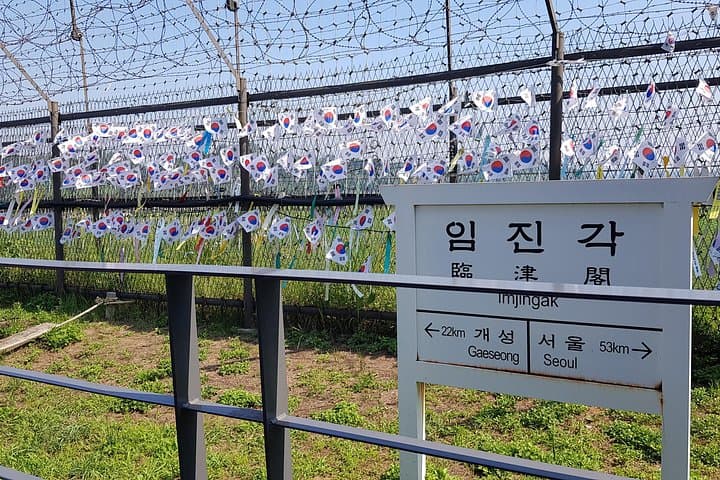
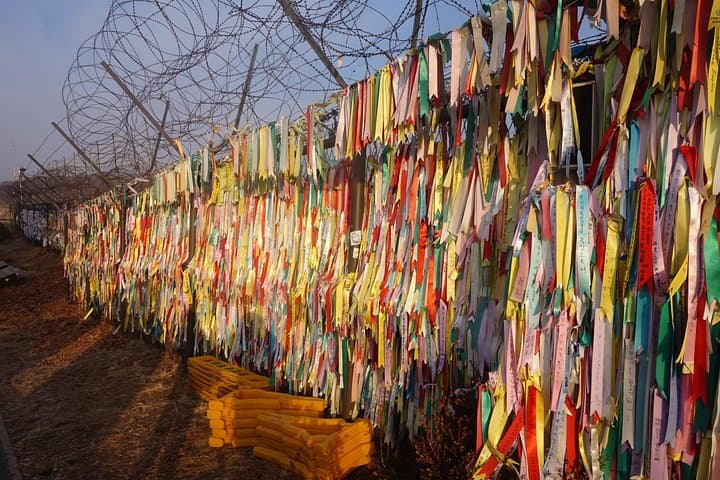
You step off the coach into a wind that seems to carry history — flags fluttering at Imjingak, the Freedom Bridge just ahead and the low, guarded slopes that mark the edge of the Korean Demilitarized Zone. The morning light slices across concrete barricades and the Imjin River, and your guide’s voice folds facts into the landscape: where families were separated, POWs returned and a divided peninsula still breathes two different rhythms.
Verified experiences and guided adventures in the surrounding area.
Operated by SEOUL CITY TOUR CO. LTD. · Paju, Gyeonggi-do
You step off the coach into a wind that seems to carry history — flags fluttering at Imjingak, the Freedom Bridge just ahead and the low, guarded slopes that mark the edge of the Korean Demilitarized Zone. The morning light slices across concrete barricades and the Imjin River, and your guide’s voice folds facts into the landscape: where families were separated, POWs returned and a divided peninsula still breathes two different rhythms.
The DMZ is an artificial border with natural consequences. Established by the 1953 armistice, the area contains relics from the Korean War, Cold War-era tunnels and observation posts like Dora where binoculars frame the quiet village of Kijong-dong. Geologically, the ridge lines here are low and worn; human activity, not tectonics, has shaped the visible features. Culturally, the DMZ is part memorial, part contested space — tours are controlled, solemn and highly regulated.
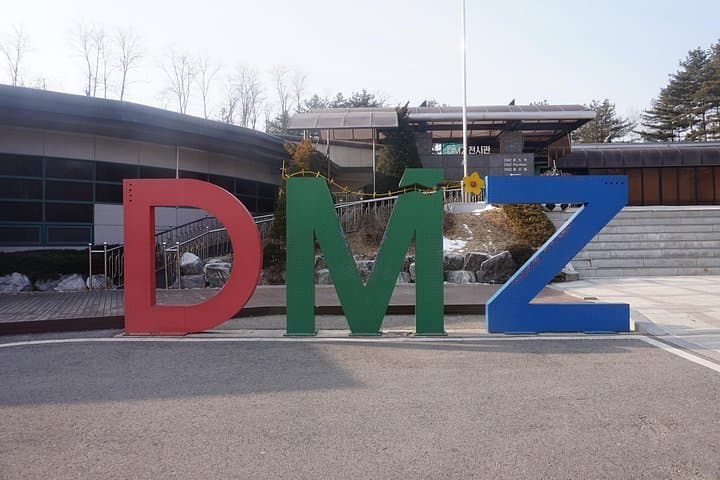
Practical guidance: this half-day trip runs about six hours by coach from Seoul and includes short, sometimes steep walks (the 3rd Tunnel has narrow steps and low lighting). Bring a valid passport, comfortable, grippy shoes and layers for cold drafts near observation points. Photography is allowed in some places but restricted at others — follow your guide. Expect time-limited stops at Imjingak Park, the 3rd Infiltration Tunnel, the DMZ exhibition hall and Dora Observatory, then a return to central Seoul. Weather changes visibility quickly; mornings often offer the clearest views into North Korea. The tour pairs history and real-world logistics — prepare, pay attention to instructions, and the landscape will tell its story without embellishment.
Yes — a current, valid passport is required the day of the tour for all participants.
Yes — at Dora Observatory you can peer through binoculars at Kijong-dong and nearby fields, though visibility depends on weather and restrictions.
No — the tour is rated easy overall but includes walking and a descent into the 3rd Tunnel with narrow steps; comfortable shoes are recommended.
Some areas allow photography while others restrict it for security reasons; always follow your guide’s instructions.
SEOUL CITY TOUR CO. LTD. operates guided outdoor trips and adventures with an emphasis on safety, stewardship, and memorable experiences.
You step off the coach into a wind that seems to carry history — flags fluttering at Imjingak, the Freedom Bridge just ahead and the low, guarded slopes that mark the edge of the Korean Demilitarized Zone. The morning light slices across concrete barricades and the Imjin River, and your guide’s voice folds facts into the landscape: where families were separated, POWs returned and a divided peninsula still breathes two different rhythms.
You step off the coach into a wind that seems to carry history — flags fluttering at Imjingak, the Freedom Bridge just ahead and the low, guarded slopes that mark the edge of the Korean Demilitarized Zone. The morning light slices across concrete barricades and the Imjin River, and your guide’s voice folds facts into the landscape: where families were separated, POWs returned and a divided peninsula still breathes two different rhythms.
The DMZ is an artificial border with natural consequences. Established by the 1953 armistice, the area contains relics from the Korean War, Cold War-era tunnels and observation posts like Dora where binoculars frame the quiet village of Kijong-dong. Geologically, the ridge lines here are low and worn; human activity, not tectonics, has shaped the visible features. Culturally, the DMZ is part memorial, part contested space — tours are controlled, solemn and highly regulated.
Practical guidance: this half-day trip runs about six hours by coach from Seoul and includes short, sometimes steep walks (the 3rd Tunnel has narrow steps and low lighting). Bring a valid passport, comfortable, grippy shoes and layers for cold drafts near observation points. Photography is allowed in some places but restricted at others — follow your guide. Expect time-limited stops at Imjingak Park, the 3rd Infiltration Tunnel, the DMZ exhibition hall and Dora Observatory, then a return to central Seoul. Weather changes visibility quickly; mornings often offer the clearest views into North Korea. The tour pairs history and real-world logistics — prepare, pay attention to instructions, and the landscape will tell its story without embellishment.