THE ADVENTURE COLLECTIVE® · Independent discovery and booking for outdoor travel

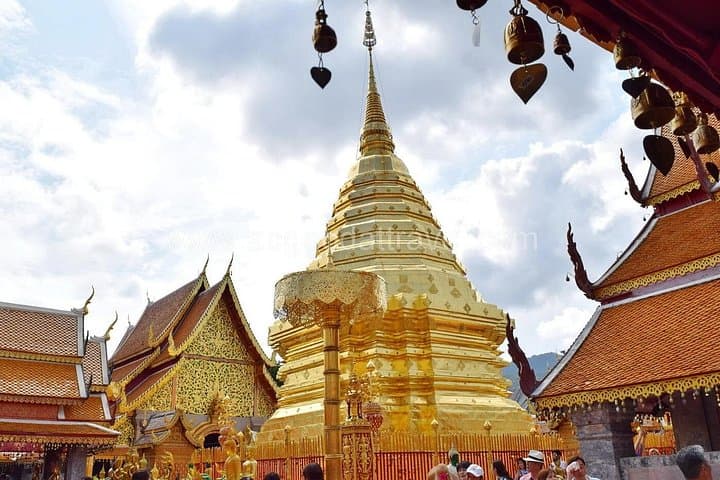
Drive into the forested flank of Doi Suthep for a private half-day visit to the golden chedi at Wat Phra That and the quieter, water-fed gardens of Pha Lat (Palad) Temple. This short cultural hike pairs city views with shaded paths and waterfall pockets.
Drive into the forested flank of Doi Suthep for a private half-day visit to the golden chedi at Wat Phra That and the quieter, water-fed gardens of Pha Lat (Palad) Temple. This short cultural hike pairs city views with shaded paths and waterfall pockets.
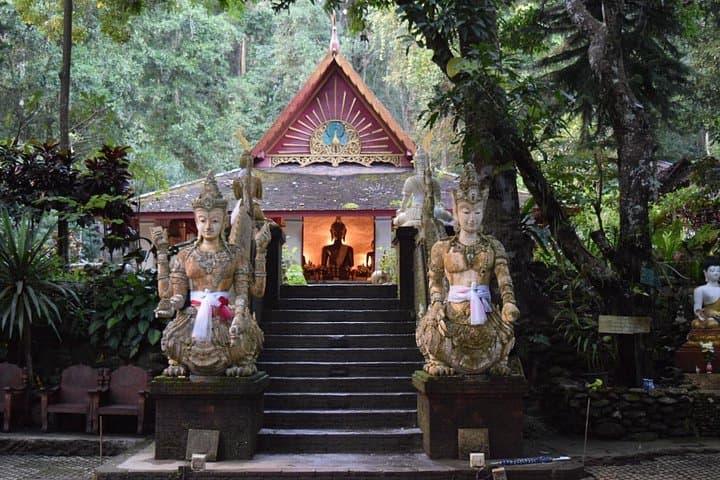
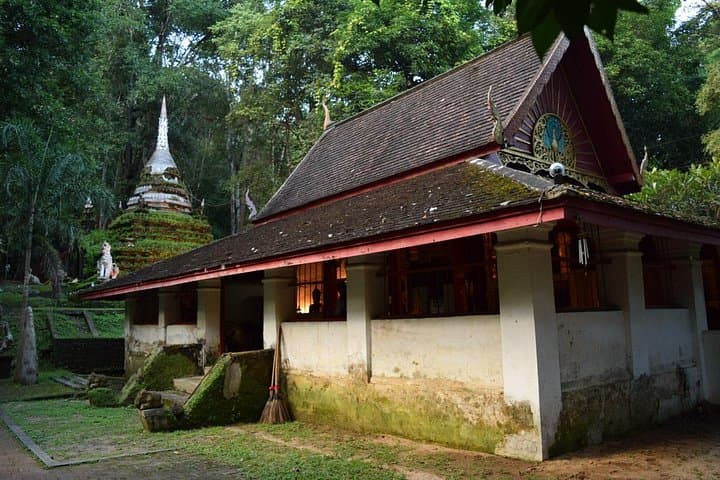
A cool morning lifts off the forested slope of Doi Suthep as you wind away from Chiang Mai; temple bells punctuate the air and the city shrinks below into a patchwork of roofs and rice fields. The route threads between mossy stones and rainforest ferns before opening onto lacquered railings and a gold-topped chedi catching the sun.
Verified experiences and guided adventures in the surrounding area.
Operated by AP Good@travel · Chiang Mai, Chiang Mai Province
A cool morning lifts off the forested slope of Doi Suthep as you wind away from Chiang Mai; temple bells punctuate the air and the city shrinks below into a patchwork of roofs and rice fields. The route threads between mossy stones and rainforest ferns before opening onto lacquered railings and a gold-topped chedi catching the sun.
Wat Phra That Doi Suthep is one of northern Thailand’s most enduring pilgrimage sites, with the first chedi constructed in 1373. The mountain itself is part of the Doi Suthep–Pui ridge inside a protected park — steep, green and threaded with small streams. Partway down the ascent sits Pha Lat (often called Palad Temple), a quieter complex of forest paths, waterfalls and shaded viewpoints where the jungle seems to press close to the shrine buildings.
Culturally, both sites remain active places of worship: monks chant at dawn, devotees leave offerings, and visitors are expected to follow a modest dress code. The climb to Doi Suthep can be taken on a 306-step staircase or avoided by cable car if you prefer. Expect short, uneven stone steps, slick patches near cascades and packed gravel loops through the trees.
Practical notes: the half-day itinerary fits a 3–4 hour window with hotel pickup in Chiang Mai; bring a refillable water bottle, sun protection and clothes that cover shoulders and knees. Move respectfully around shrines, keep to paths to protect root systems, and time the visit early or late afternoon to avoid busier mid-day crowds.
The itinerary notes admission is included for both temples in this tour package.
Yes — there is a cable car that provides easier access to the Doi Suthep terrace for those who prefer not to climb.
Yes — private transportation with pickup and drop-off inside Chiang Mai city area is included.
Modest dress is required: cover shoulders and knees. Avoid shorts or sleeveless tops when entering shrine buildings.
AP Good@travel operates guided outdoor trips and adventures with an emphasis on safety, stewardship, and memorable experiences.

A cool morning lifts off the forested slope of Doi Suthep as you wind away from Chiang Mai; temple bells punctuate the air and the city shrinks below into a patchwork of roofs and rice fields. The route threads between mossy stones and rainforest ferns before opening onto lacquered railings and a gold-topped chedi catching the sun.
A cool morning lifts off the forested slope of Doi Suthep as you wind away from Chiang Mai; temple bells punctuate the air and the city shrinks below into a patchwork of roofs and rice fields. The route threads between mossy stones and rainforest ferns before opening onto lacquered railings and a gold-topped chedi catching the sun.
Wat Phra That Doi Suthep is one of northern Thailand’s most enduring pilgrimage sites, with the first chedi constructed in 1373. The mountain itself is part of the Doi Suthep–Pui ridge inside a protected park — steep, green and threaded with small streams. Partway down the ascent sits Pha Lat (often called Palad Temple), a quieter complex of forest paths, waterfalls and shaded viewpoints where the jungle seems to press close to the shrine buildings.
Culturally, both sites remain active places of worship: monks chant at dawn, devotees leave offerings, and visitors are expected to follow a modest dress code. The climb to Doi Suthep can be taken on a 306-step staircase or avoided by cable car if you prefer. Expect short, uneven stone steps, slick patches near cascades and packed gravel loops through the trees.
Practical notes: the half-day itinerary fits a 3–4 hour window with hotel pickup in Chiang Mai; bring a refillable water bottle, sun protection and clothes that cover shoulders and knees. Move respectfully around shrines, keep to paths to protect root systems, and time the visit early or late afternoon to avoid busier mid-day crowds.