THE ADVENTURE COLLECTIVE® · Independent discovery and booking for outdoor travel

Climb out of Chiang Mai into cooler air for a half-day that pairs the gold-tipped chedi of Doi Suthep with the living culture of Khun Chang Khian Hmong village. Expect elevated views, temple rituals, and a village coffee break with community insight.
Climb out of Chiang Mai into cooler air for a half-day that pairs the gold-tipped chedi of Doi Suthep with the living culture of Khun Chang Khian Hmong village. Expect elevated views, temple rituals, and a village coffee break with community insight.
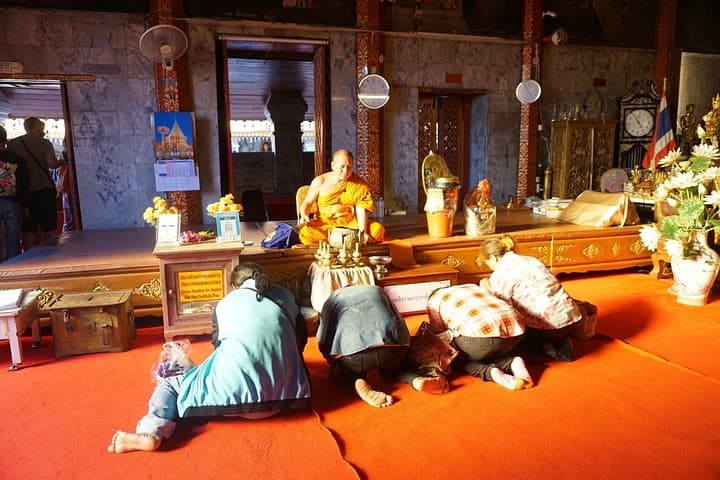
You arrive on a cool morning as the road climbs out of Chiang Mai toward the forested flank of Doi Suthep; mist threads between teak and pine while the minivan eases into hairpin turns. The compound atop the ridge feels immediate—bronze bells chime, monks move with steady purpose, and the view over Chiang Mai stretches like a living map below.
Verified experiences and guided adventures in the surrounding area.
Operated by Touring Center · Chiang Mai, Chiang Mai
You arrive on a cool morning as the road climbs out of Chiang Mai toward the forested flank of Doi Suthep; mist threads between teak and pine while the minivan eases into hairpin turns. The compound atop the ridge feels immediate—bronze bells chime, monks move with steady purpose, and the view over Chiang Mai stretches like a living map below.
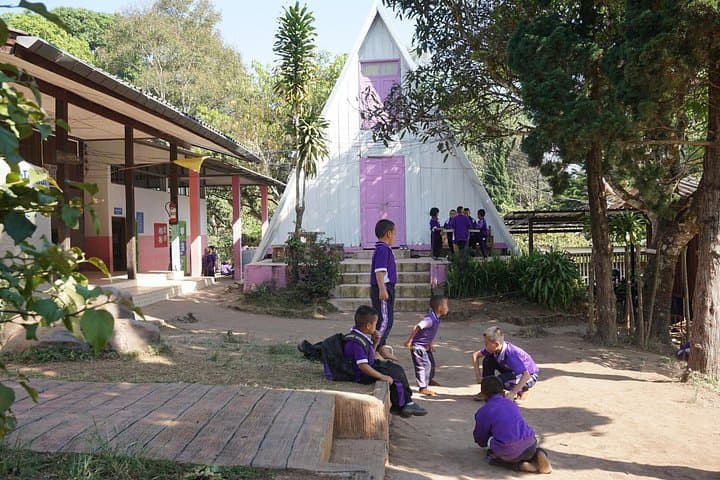
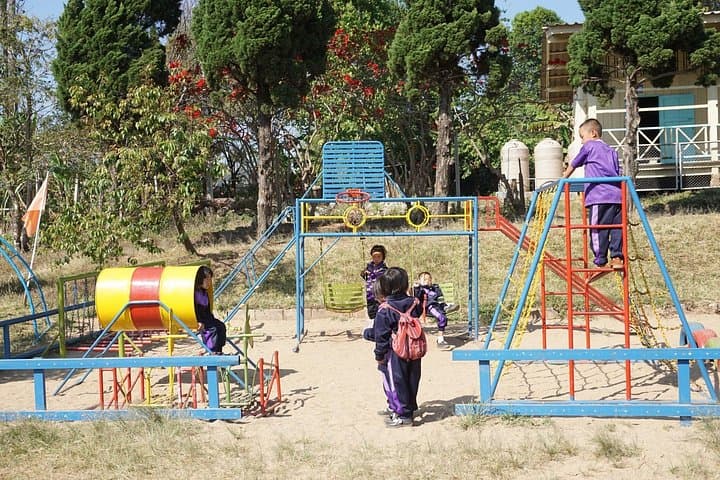
Doi Suthep’s chedi has drawn pilgrims since the 14th century, the mountain itself part of the Thanon Thong Chai range carved from uplifted limestone and older metamorphic rock. The tour pairs this spiritual site with Khun Chang Khian, a Hmong village established in the 20th century where terraced gardens and wooden houses reflect highland agricultural life. Together the stops show Chiang Mai’s layered history: royal patronage, hill-tribe culture, and the slow shift toward community tourism.
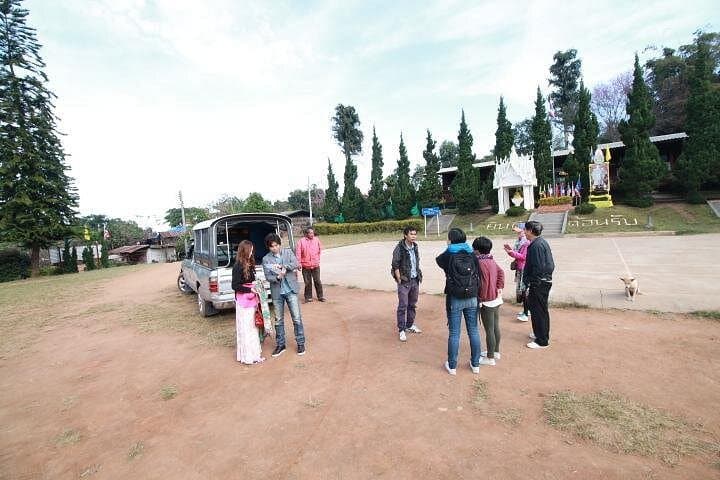
Practically, the visit moves at a calm pace—an hour among gilded roofs and murals, then a short truck transfer and time in the village for coffee and community-run stalls. Expect steep steps at the temple, uneven paths in the village, and instructive conversations with local guides.
Bring modest clothing for temple etiquette, sturdy shoes for steps and dirt tracks, and a light layer for the ridge breeze. Morning timing catches cooler temperatures and clearer views before afternoon heat or showers. The tour suits travelers who want cultural context with accessible logistics: hotel pickup in central Chiang Mai, an English-speaking guide, bottled water, and a window into both sacred tradition and everyday mountain life.
Yes—pickup and drop-off are included for hotels within about 6 km of the Three Kings Monument in Chiang Mai.
Smart casual with knees and shoulders covered; remove hats and shoes when entering certain temple buildings.
Infants under 2 may sit on an adult’s lap; child rates apply when sharing with two paying adults—note the tour requires a minimum of two people.
The temple has many steep steps and the village transfer uses a small open truck; the tour is not recommended for travelers with serious back, heart, or mobility issues.
Touring Center operates guided outdoor trips and adventures with an emphasis on safety, stewardship, and memorable experiences.
You arrive on a cool morning as the road climbs out of Chiang Mai toward the forested flank of Doi Suthep; mist threads between teak and pine while the minivan eases into hairpin turns. The compound atop the ridge feels immediate—bronze bells chime, monks move with steady purpose, and the view over Chiang Mai stretches like a living map below.
You arrive on a cool morning as the road climbs out of Chiang Mai toward the forested flank of Doi Suthep; mist threads between teak and pine while the minivan eases into hairpin turns. The compound atop the ridge feels immediate—bronze bells chime, monks move with steady purpose, and the view over Chiang Mai stretches like a living map below.
Doi Suthep’s chedi has drawn pilgrims since the 14th century, the mountain itself part of the Thanon Thong Chai range carved from uplifted limestone and older metamorphic rock. The tour pairs this spiritual site with Khun Chang Khian, a Hmong village established in the 20th century where terraced gardens and wooden houses reflect highland agricultural life. Together the stops show Chiang Mai’s layered history: royal patronage, hill-tribe culture, and the slow shift toward community tourism.
Practically, the visit moves at a calm pace—an hour among gilded roofs and murals, then a short truck transfer and time in the village for coffee and community-run stalls. Expect steep steps at the temple, uneven paths in the village, and instructive conversations with local guides.
Bring modest clothing for temple etiquette, sturdy shoes for steps and dirt tracks, and a light layer for the ridge breeze. Morning timing catches cooler temperatures and clearer views before afternoon heat or showers. The tour suits travelers who want cultural context with accessible logistics: hotel pickup in central Chiang Mai, an English-speaking guide, bottled water, and a window into both sacred tradition and everyday mountain life.