THE ADVENTURE COLLECTIVE® · Independent discovery and booking for outdoor travel

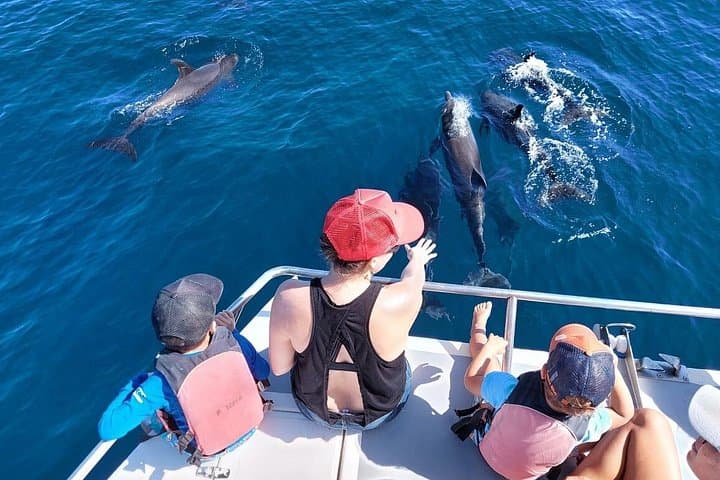
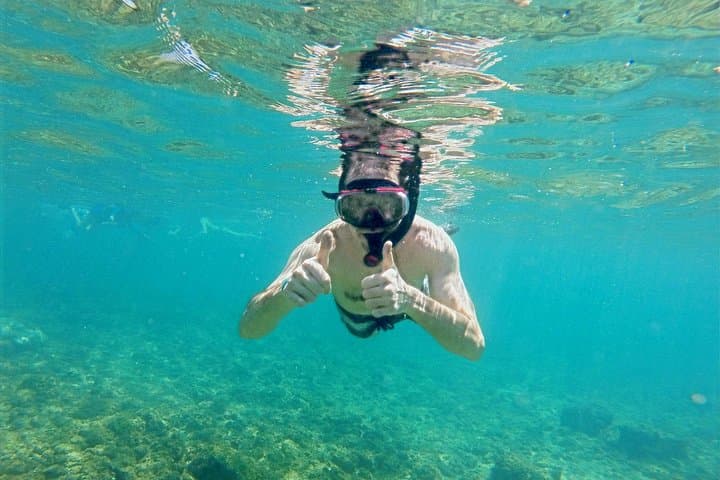
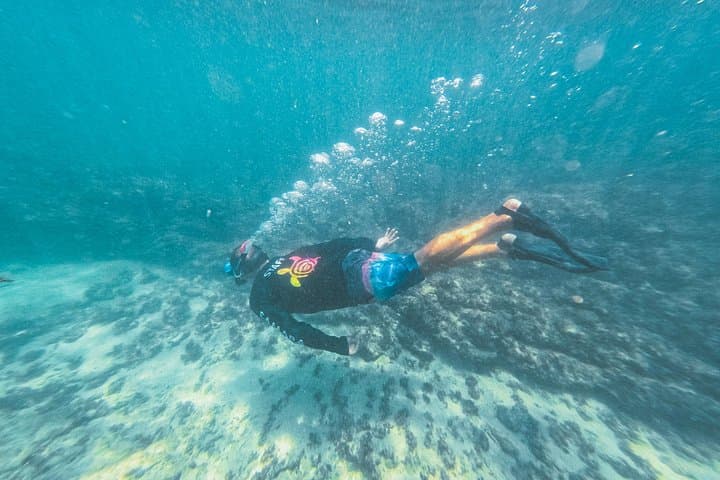
Spend four hours exploring Samara Bay by boat, watching for bottlenose and spotted dolphins and snorkeling shallow reefs. Ideal for families and first-time snorkelers, this guided trip includes equipment, snacks and hotel pickup.
Spend four hours exploring Samara Bay by boat, watching for bottlenose and spotted dolphins and snorkeling shallow reefs. Ideal for families and first-time snorkelers, this guided trip includes equipment, snacks and hotel pickup.
You push off from Samara’s small marina as morning light flattens the bay; the engine hums and the sea seems to wake, as if the water itself is eager to show you something. Coastal hills fall away to a wide crescent of sand and the boat threads a clear corridor where bottlenose and spotted dolphins often ride the bow. On some passages the ocean will lift and reveal a slow, distant flash — a humpback on its migration south.
Verified experiences and guided adventures in the surrounding area.
Operated by Samara Adventures · Samara, Guanacaste
You push off from Samara’s small marina as morning light flattens the bay; the engine hums and the sea seems to wake, as if the water itself is eager to show you something. Coastal hills fall away to a wide crescent of sand and the boat threads a clear corridor where bottlenose and spotted dolphins often ride the bow. On some passages the ocean will lift and reveal a slow, distant flash — a humpback on its migration south.
Samara sits on the southern Nicoya Peninsula in Guanacaste, a region shaped by volcanic soils and Pacific swells. The bay’s gentle curve creates calmer snorkeling pockets and shallow reefs dotted with corals and reef fish. The town grew from a fishing hamlet into a low-key surf and ecotourism hub; local guides balance tourism with long-standing maritime knowledge.
Expect a four-hour outing: a short run from shore to productive dolphin grounds, then sheltered spots for snorkeling. Guides provide masks, snorkels and flotation, plus bottled water and fruit. Whale sightings are seasonal—most likely August–November and again around January—while dolphins are present year-round.
Practical edge: choose a morning departure for calmer seas, bring reef-safe sunscreen and a snug mask (loaners are available but personal gear fits better), and consider a lightweight windbreaker for the return. Operators often include hotel pickup and briefings on safe wildlife viewing—keep a respectful distance, avoid chasing animals, and follow your guide’s directions to protect both you and the ocean’s residents.
The outing lasts about four hours, typically including a run to dolphin grounds and time at snorkel sites; hotel pickup is often included.
No sightings aren’t guaranteed—dolphins are common year-round, while humpback whales are seasonal (most likely Aug–Nov and again around January).
Yes—guides provide masks, snorkels and flotation devices, but you may bring your own gear for a better fit.
The trip is advertised as suitable for all fitness levels; non-swimmers can usually join with flotation support and close supervision by guides.
Samara Adventures operates guided outdoor trips and adventures with an emphasis on safety, stewardship, and memorable experiences.
You push off from Samara’s small marina as morning light flattens the bay; the engine hums and the sea seems to wake, as if the water itself is eager to show you something. Coastal hills fall away to a wide crescent of sand and the boat threads a clear corridor where bottlenose and spotted dolphins often ride the bow. On some passages the ocean will lift and reveal a slow, distant flash — a humpback on its migration south.
You push off from Samara’s small marina as morning light flattens the bay; the engine hums and the sea seems to wake, as if the water itself is eager to show you something. Coastal hills fall away to a wide crescent of sand and the boat threads a clear corridor where bottlenose and spotted dolphins often ride the bow. On some passages the ocean will lift and reveal a slow, distant flash — a humpback on its migration south.
Samara sits on the southern Nicoya Peninsula in Guanacaste, a region shaped by volcanic soils and Pacific swells. The bay’s gentle curve creates calmer snorkeling pockets and shallow reefs dotted with corals and reef fish. The town grew from a fishing hamlet into a low-key surf and ecotourism hub; local guides balance tourism with long-standing maritime knowledge.
Expect a four-hour outing: a short run from shore to productive dolphin grounds, then sheltered spots for snorkeling. Guides provide masks, snorkels and flotation, plus bottled water and fruit. Whale sightings are seasonal—most likely August–November and again around January—while dolphins are present year-round.
Practical edge: choose a morning departure for calmer seas, bring reef-safe sunscreen and a snug mask (loaners are available but personal gear fits better), and consider a lightweight windbreaker for the return. Operators often include hotel pickup and briefings on safe wildlife viewing—keep a respectful distance, avoid chasing animals, and follow your guide’s directions to protect both you and the ocean’s residents.