THE ADVENTURE COLLECTIVE® · Independent discovery and booking for outdoor travel

Spend a half-day trading Durban’s coastline for the cool, high ridges of the Drakensberg. This guided hike delivers waterfalls, San rock art, and sweeping rim views with accessible routes suited to a range of fitness levels.
Spend a half-day trading Durban’s coastline for the cool, high ridges of the Drakensberg. This guided hike delivers waterfalls, San rock art, and sweeping rim views with accessible routes suited to a range of fitness levels.
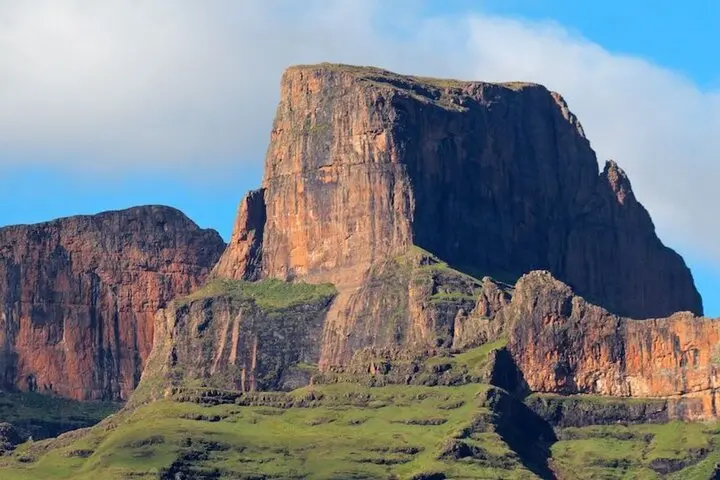
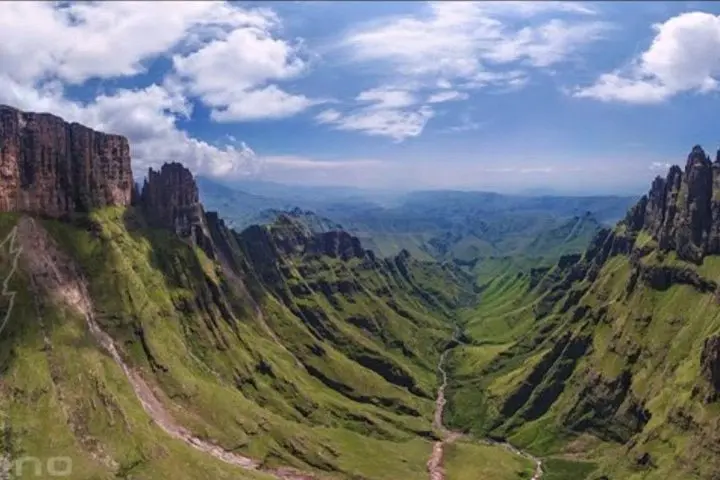
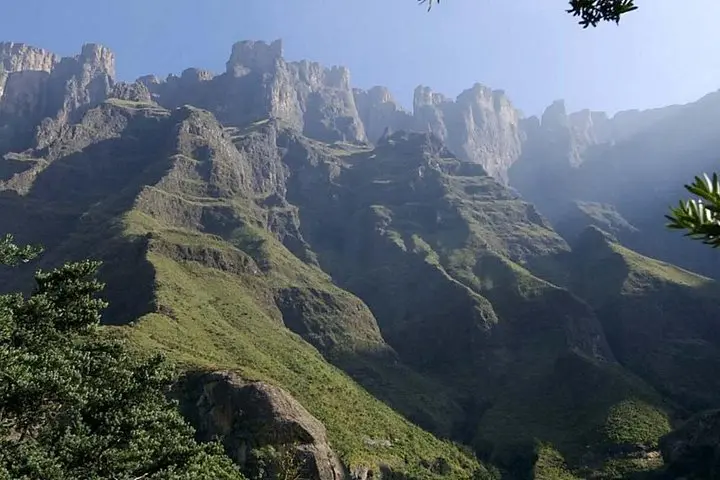
Wind cuts across a high grassy amphitheatre as a minibus slows on the gravel approach to the Drakensberg. Stone cliffs rise like cut edges; waterfalls thread down mossy gullies. A guide checks boots and maps, and the group steps onto a path that climbs through indigenous forest toward a rim with sweeping views.
Verified experiences and guided adventures in the surrounding area.
Operated by African Tour Safaris · Underberg, KwaZulu-Natal
Wind cuts across a high grassy amphitheatre as a minibus slows on the gravel approach to the Drakensberg. Stone cliffs rise like cut edges; waterfalls thread down mossy gullies. A guide checks boots and maps, and the group steps onto a path that climbs through indigenous forest toward a rim with sweeping views.
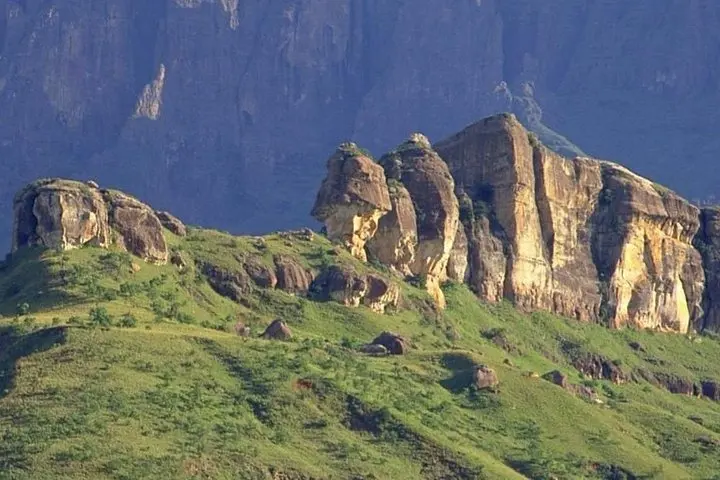
The Drakensberg (uKhahlamba) is a UNESCO World Heritage site where basalt escarpments and softer sandstones record ancient volcanic events and millennia of erosion. Bands of San rock art mark human presence dating back thousands of years; guides often point out faded human figures where hunters once painted stories. Flora shifts from grassland to sourveld and forest pockets; streams support mountain ferns and endemic wildflowers. Cultural threads of Zulu farming communities and colonial-era settlers are visible in the lowland farms you pass en route.
On a half-day hike from Durban, expect 4–8 hours. Trails are well-marked but rocky, with intermittent steep sections and modest elevation gain—plan on 300–600 m depending on route. Bring layers, sturdy hiking shoes, 2 liters of water, sun protection, and snacks. Start early to avoid midday heat and catch clearer views; weather shifts quickly, so a light waterproof is essential. Photography is best at ridgelines and waterfalls; keep noise low to maximize wildlife sightings. Follow Leave No Trace: stay on paths, pack out waste, and respect rock art. If mobility is a concern, check pickup options—many operators provide transport. Local guides add geological context and point out rock art; tipping and questions are welcome.
Drive time varies by exact trailhead but typically ranges from 2 to 3 hours one way; operators schedule pickups accordingly.
Yes—routes are chosen to match group fitness; tell the operator your level when booking so guides can select an appropriate trail.
Guides often point out accessible, protected rock art panels on many short routes, but viewing depends on the specific trail and conservation access.
Facilities are limited—use accommodations or rest stops before the hike and be prepared for natural breaks on the trail.
African Tour Safaris operates guided outdoor trips and adventures with an emphasis on safety, stewardship, and memorable experiences.
Wind cuts across a high grassy amphitheatre as a minibus slows on the gravel approach to the Drakensberg. Stone cliffs rise like cut edges; waterfalls thread down mossy gullies. A guide checks boots and maps, and the group steps onto a path that climbs through indigenous forest toward a rim with sweeping views.
Wind cuts across a high grassy amphitheatre as a minibus slows on the gravel approach to the Drakensberg. Stone cliffs rise like cut edges; waterfalls thread down mossy gullies. A guide checks boots and maps, and the group steps onto a path that climbs through indigenous forest toward a rim with sweeping views.
The Drakensberg (uKhahlamba) is a UNESCO World Heritage site where basalt escarpments and softer sandstones record ancient volcanic events and millennia of erosion. Bands of San rock art mark human presence dating back thousands of years; guides often point out faded human figures where hunters once painted stories. Flora shifts from grassland to sourveld and forest pockets; streams support mountain ferns and endemic wildflowers. Cultural threads of Zulu farming communities and colonial-era settlers are visible in the lowland farms you pass en route.
On a half-day hike from Durban, expect 4–8 hours. Trails are well-marked but rocky, with intermittent steep sections and modest elevation gain—plan on 300–600 m depending on route. Bring layers, sturdy hiking shoes, 2 liters of water, sun protection, and snacks. Start early to avoid midday heat and catch clearer views; weather shifts quickly, so a light waterproof is essential. Photography is best at ridgelines and waterfalls; keep noise low to maximize wildlife sightings. Follow Leave No Trace: stay on paths, pack out waste, and respect rock art. If mobility is a concern, check pickup options—many operators provide transport. Local guides add geological context and point out rock art; tipping and questions are welcome.