THE ADVENTURE COLLECTIVE® · Independent discovery and booking for outdoor travel

A half‑day guided hike from Durban into the uKhahlamba‑Drakensberg delivers towering cliffs, endemic flora and soaring raptors on trails suited to varied fitness levels. Expect a scenic inland drive, local cultural notes, and panoramic mountain air.
A half‑day guided hike from Durban into the uKhahlamba‑Drakensberg delivers towering cliffs, endemic flora and soaring raptors on trails suited to varied fitness levels. Expect a scenic inland drive, local cultural notes, and panoramic mountain air.
You step out of the minibus and the air changes—thinner, cooler, smelling of damp grass and stone. The Drakensberg rises like an old spine ahead, cliffs and bands of dolerite catching light while raptors wheel above, daring you to follow.
Verified experiences and guided adventures in the surrounding area.
Operated by African Cape Safaris · Bergville, KwaZulu-Natal
You step out of the minibus and the air changes—thinner, cooler, smelling of damp grass and stone. The Drakensberg rises like an old spine ahead, cliffs and bands of dolerite catching light while raptors wheel above, daring you to follow.
This half‑day guided hike introduces the northern Drakensberg (uKhahlamba) where basaltic escarpments meet high grassland. The mountains are part of a UNESCO World Heritage Park valued for dramatic geology and extensive San rock art; the steep cliffs are folded remnants of ancient volcanic activity and erosion. Local Zulu and Basotho histories thread through the valleys—livestock routes, hilltop cairns and oral stories that guides often share en route.
Underfoot the trail shifts from compact soil to loose scree and grassy terraces; endemic proteas and mountain aloes punctuate the slopes. Birdlife dominates the skyline—black eagles and other raptors carve thermals while smaller passerines flash through heath. The landscape feels alive: wind that pushes you forward, cliffs that hold their secrets.
Practicalities: tours depart Durban with a scenic inland drive through sugarcane plains toward Bergville; total outing is half‑day (plan for 4–8 hours door‑to‑door). The hike is tailored to ability but expect uneven ground and short climbs—sturdy footwear, layered clothing, sun protection and 1–2 liters of water are essential. Lunch is at your own cost; bring cash or a packed meal if you prefer. Guides point out rock art and birding opportunities and help minimize impacts—stick to the path, pack out waste, and leave the rare plants and cultural sites undisturbed. This is an accessible, panoramic taste of the Drakensberg—wild, instructive and refreshingly physical.
The scenic drive to the Drakensberg hiking area typically takes about 2–3 hours each way depending on traffic and the chosen trailhead.
Yes—the hike is tailored to ability; families with children who can manage uneven ground for up to a few hours can usually participate, but check with the operator for ages and pickup options.
Guides commonly point out San rock art panels, discuss local cultural history and identify birds and plant species seen along the route.
Lunch is at your own cost; bring a packed lunch if you want to eat on the trail, or plan to buy food at nearby facilities if available—carry small change.
African Cape Safaris operates guided outdoor trips and adventures with an emphasis on safety, stewardship, and memorable experiences.
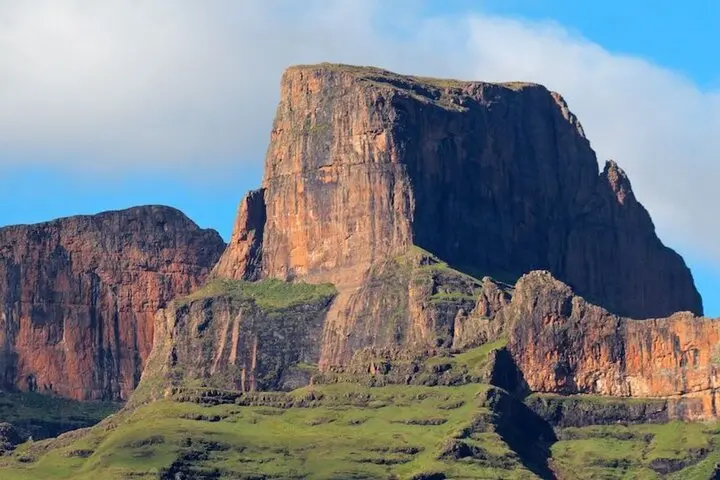
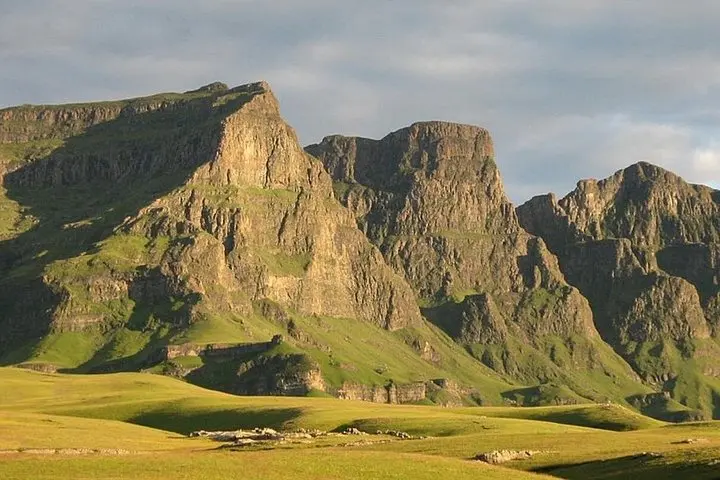
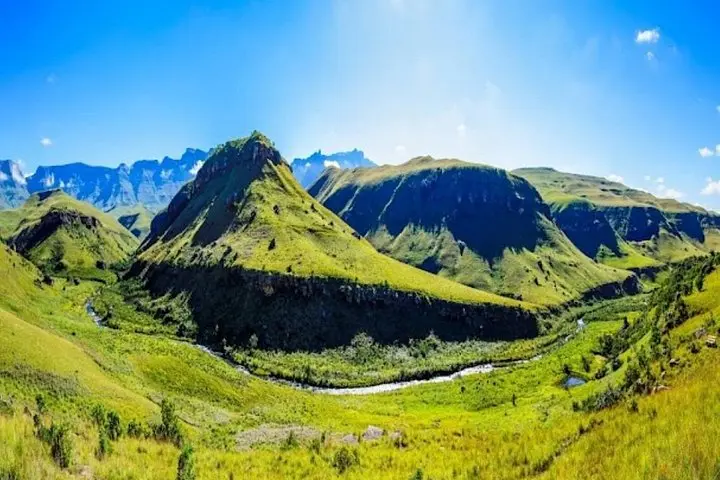
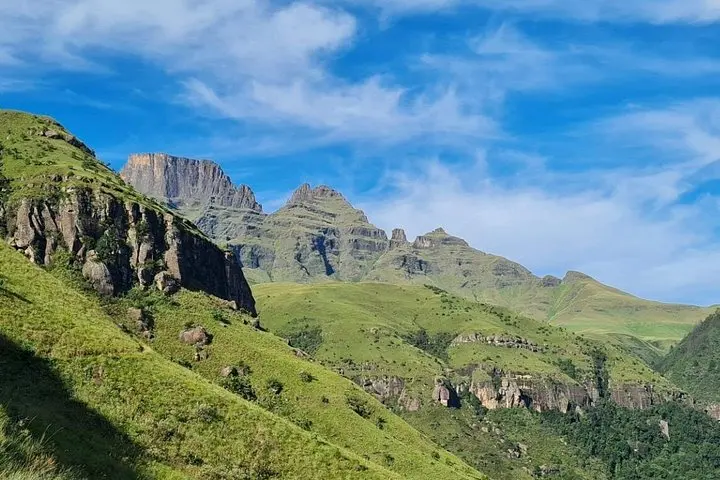
You step out of the minibus and the air changes—thinner, cooler, smelling of damp grass and stone. The Drakensberg rises like an old spine ahead, cliffs and bands of dolerite catching light while raptors wheel above, daring you to follow.
You step out of the minibus and the air changes—thinner, cooler, smelling of damp grass and stone. The Drakensberg rises like an old spine ahead, cliffs and bands of dolerite catching light while raptors wheel above, daring you to follow.
This half‑day guided hike introduces the northern Drakensberg (uKhahlamba) where basaltic escarpments meet high grassland. The mountains are part of a UNESCO World Heritage Park valued for dramatic geology and extensive San rock art; the steep cliffs are folded remnants of ancient volcanic activity and erosion. Local Zulu and Basotho histories thread through the valleys—livestock routes, hilltop cairns and oral stories that guides often share en route.
Underfoot the trail shifts from compact soil to loose scree and grassy terraces; endemic proteas and mountain aloes punctuate the slopes. Birdlife dominates the skyline—black eagles and other raptors carve thermals while smaller passerines flash through heath. The landscape feels alive: wind that pushes you forward, cliffs that hold their secrets.
Practicalities: tours depart Durban with a scenic inland drive through sugarcane plains toward Bergville; total outing is half‑day (plan for 4–8 hours door‑to‑door). The hike is tailored to ability but expect uneven ground and short climbs—sturdy footwear, layered clothing, sun protection and 1–2 liters of water are essential. Lunch is at your own cost; bring cash or a packed meal if you prefer. Guides point out rock art and birding opportunities and help minimize impacts—stick to the path, pack out waste, and leave the rare plants and cultural sites undisturbed. This is an accessible, panoramic taste of the Drakensberg—wild, instructive and refreshingly physical.