THE ADVENTURE COLLECTIVE® · Independent discovery and booking for outdoor travel

Drive from Durban into the dramatic Drakensberg for a half‑day hike that mixes waterfalls, basalt cliffs and bird-rich grasslands. Expect a 2–2.5 hour transfer each way and a compact but rewarding mountain walk suitable for many fitness levels.
Drive from Durban into the dramatic Drakensberg for a half‑day hike that mixes waterfalls, basalt cliffs and bird-rich grasslands. Expect a 2–2.5 hour transfer each way and a compact but rewarding mountain walk suitable for many fitness levels.
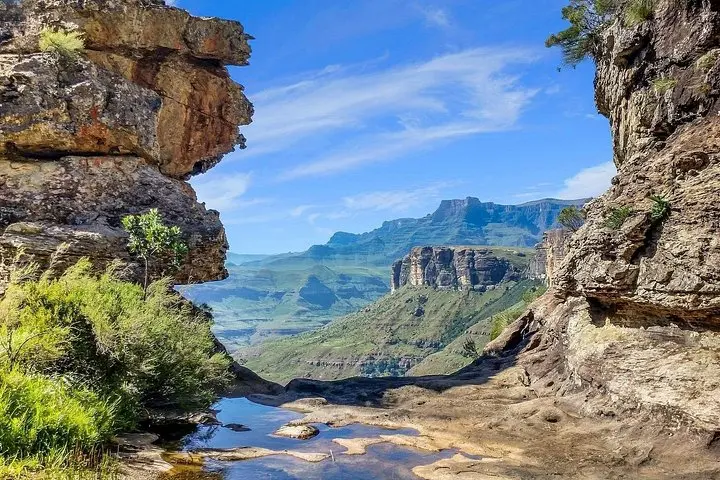
You leave Durban before sunrise and the coast gives way to folded green farms; the road climbs into the Natal Midlands and the Drakensberg’s dark silhouettes sharpen on the horizon. By mid-morning the air is cooler, cliffs rise in bands of basalt and sandstone, and a narrow track pulls you toward a fall that throws its spray across the trail—water daring you closer.
Verified experiences and guided adventures in the surrounding area.
Operated by Africa Sun Safaris · Durban, KwaZulu-Natal
You leave Durban before sunrise and the coast gives way to folded green farms; the road climbs into the Natal Midlands and the Drakensberg’s dark silhouettes sharpen on the horizon. By mid-morning the air is cooler, cliffs rise in bands of basalt and sandstone, and a narrow track pulls you toward a fall that throws its spray across the trail—water daring you closer.
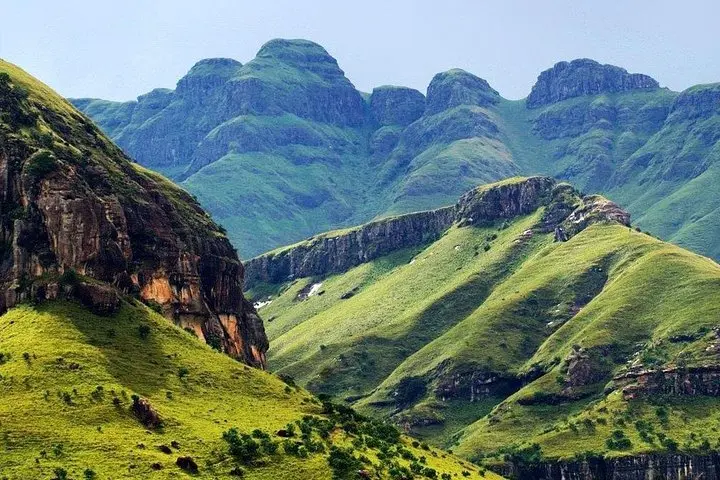
The Drakensberg (Afrikaans for Dragon Mountains) is a product of ancient volcanic flows capped by sandstone; cliffs and escarpments here record millions of years of uplift and erosion. The region is also cultural ground: San (Bushman) rock art dots sheltered overhangs, and Zulu pastoral traditions remain visible in nearby villages. Indigenous Afro‑montane forests cling to gullies while grasslands crown the ridges.
On this half‑day route expect unpaved roads, short steep sections and rocky creek crossings with 4–8 km of hiking possible depending on the chosen walk, and roughly 200–500 m of ascent on some routes. Birdsong is constant—look for rockjumper and vultures riding thermals—and you may spot dassies (rock hyrax) on ledges.
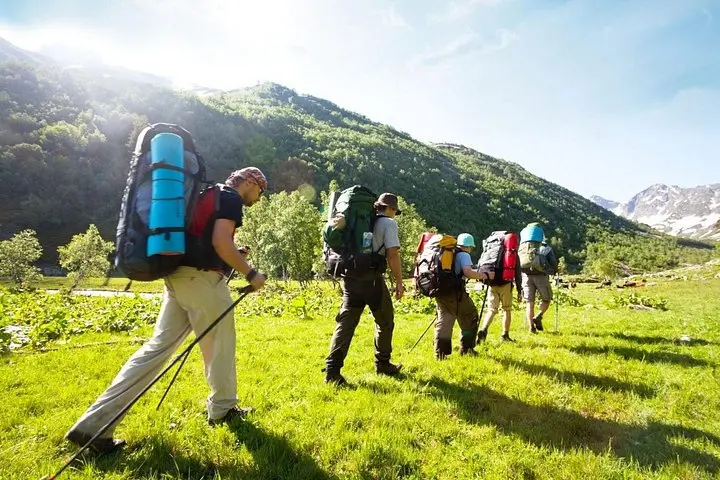
Practical notes: depart early to avoid afternoon squalls, carry 2–3 liters of water, layered clothing, and sturdy footwear with traction. Trails can be muddy after rain; navigation is straightforward on marked paths but visibility can change quickly. Respect private farmland and local communities, pack out waste, and allow plenty of time for the 2–2.5 hour drive each way from Durban. This is a compact, scenic immersion into one of South Africa’s most dramatic mountain landscapes.
Expect roughly 2–2.5 hours each way depending on traffic and your specific Drakensberg destination.
Many routes are family‑friendly, but check for steep sections; those with limited mobility should confirm accessibility ahead of time.
Yes—common sightings include rock hyrax (dassie), various raptors and Drakensberg specialist birds; large mammals are less common near trailheads.
Guides are included on this tour; some reserve areas may have entry fees, which are typically covered—confirm with the operator before departing.
Africa Sun Safaris operates guided outdoor trips and adventures with an emphasis on safety, stewardship, and memorable experiences.

You leave Durban before sunrise and the coast gives way to folded green farms; the road climbs into the Natal Midlands and the Drakensberg’s dark silhouettes sharpen on the horizon. By mid-morning the air is cooler, cliffs rise in bands of basalt and sandstone, and a narrow track pulls you toward a fall that throws its spray across the trail—water daring you closer.
You leave Durban before sunrise and the coast gives way to folded green farms; the road climbs into the Natal Midlands and the Drakensberg’s dark silhouettes sharpen on the horizon. By mid-morning the air is cooler, cliffs rise in bands of basalt and sandstone, and a narrow track pulls you toward a fall that throws its spray across the trail—water daring you closer.
The Drakensberg (Afrikaans for Dragon Mountains) is a product of ancient volcanic flows capped by sandstone; cliffs and escarpments here record millions of years of uplift and erosion. The region is also cultural ground: San (Bushman) rock art dots sheltered overhangs, and Zulu pastoral traditions remain visible in nearby villages. Indigenous Afro‑montane forests cling to gullies while grasslands crown the ridges.
On this half‑day route expect unpaved roads, short steep sections and rocky creek crossings with 4–8 km of hiking possible depending on the chosen walk, and roughly 200–500 m of ascent on some routes. Birdsong is constant—look for rockjumper and vultures riding thermals—and you may spot dassies (rock hyrax) on ledges.
Practical notes: depart early to avoid afternoon squalls, carry 2–3 liters of water, layered clothing, and sturdy footwear with traction. Trails can be muddy after rain; navigation is straightforward on marked paths but visibility can change quickly. Respect private farmland and local communities, pack out waste, and allow plenty of time for the 2–2.5 hour drive each way from Durban. This is a compact, scenic immersion into one of South Africa’s most dramatic mountain landscapes.