THE ADVENTURE COLLECTIVE® · Independent discovery and booking for outdoor travel

Explore Dubai’s contrasts in a single half‑day: the Dubai Frame’s panoramic heights, a traditional abra across Dubai Creek, and the bustling spice and gold souks. This small‑group tour packs cultural context, guided mosque access, and bottled water into a concise urban loop.
Explore Dubai’s contrasts in a single half‑day: the Dubai Frame’s panoramic heights, a traditional abra across Dubai Creek, and the bustling spice and gold souks. This small‑group tour packs cultural context, guided mosque access, and bottled water into a concise urban loop.
The day begins with the city opening like a map—gold spires and glass towers on one horizon, the low-slung lanes of old Dubai on the other. Visitors step from an air‑conditioned vehicle into heat and history, riding elevators to the top of the 150‑meter Dubai Frame where past and future sit opposite one another across a glass‑floored viewing deck.
Verified experiences and guided adventures in the surrounding area.
Operated by Al Toor Tours · Dubai, Dubai
The day begins with the city opening like a map—gold spires and glass towers on one horizon, the low-slung lanes of old Dubai on the other. Visitors step from an air‑conditioned vehicle into heat and history, riding elevators to the top of the 150‑meter Dubai Frame where past and future sit opposite one another across a glass‑floored viewing deck.
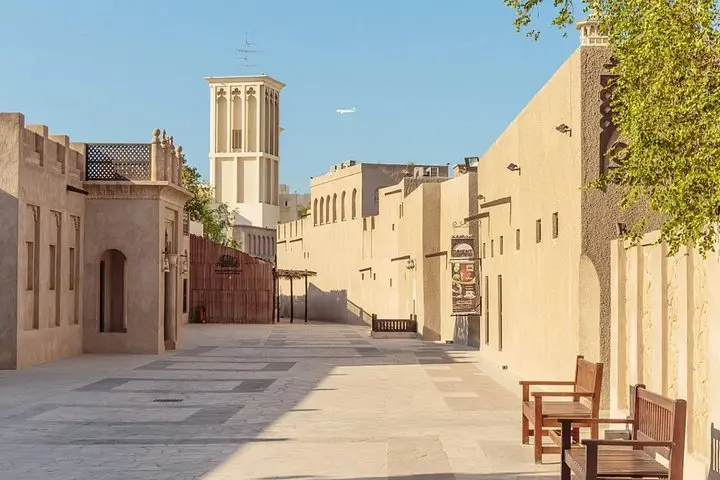
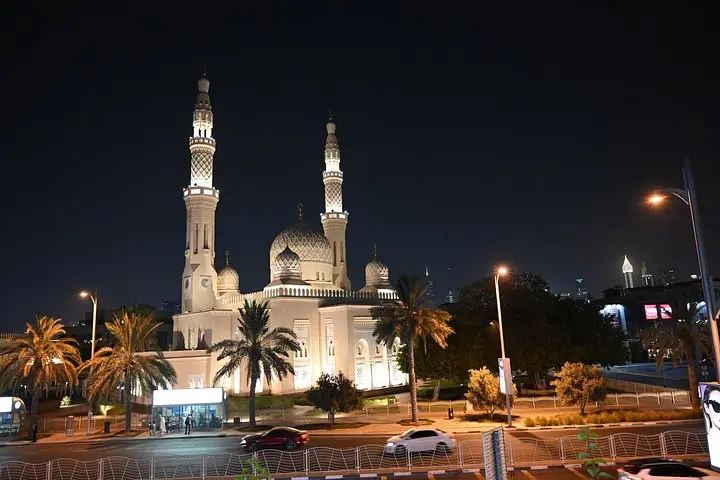
This short circuit threads the city’s key chapters: Jumeirah Mosque’s white limestone and calligraphy; Al Fahidi’s wind-towered alleys and art galleries; the abra crossing of Dubai Creek where wooden ferries still push traders’ rhythms; and the sensory crush of the Spice and Gold souks, marketplaces that shaped the emirate’s early economy.
Geology here is human-made—reclaimed shorelines and engineered creek banks—yet the creek remains a living artery where migratory wading birds pause. Culturally, the tour balances public religious spaces with merchant traditions, and the Dubai Frame itself was conceived as a literal frame for the city’s rapid transformation from pearling town to global hub.
Practical guidance: the route involves several short walks on paved streets and narrow alleys (expect stairs at older sites), so wear sturdy shoes and sun protection. Modest clothing is required for mosque visits; guided tours are available at the mosque. Bottled water and attraction tickets are included, and the private, small‑group format reduces wait time. Aim for early morning or late afternoon to avoid peak heat and to get the best light for photography. Bring a small daypack, ID for guided mosque access, and a readiness to trade quick haggles in the souks for local stories.
Yes — attraction tickets listed in the itinerary are included with the tour, and bottled water is provided.
Yes — the mosque welcomes visitors via guided tours; modest clothing is required and tours explain local customs respectfully.
Pickup options are usually arranged at booking; confirm your pickup point and any transfer details when you reserve.
Strollers can be used, but expect stairs and narrow lanes in Al Fahidi and the souks; full wheelchair access may be limited at some historic sites.
Al Toor Tours operates guided outdoor trips and adventures with an emphasis on safety, stewardship, and memorable experiences.
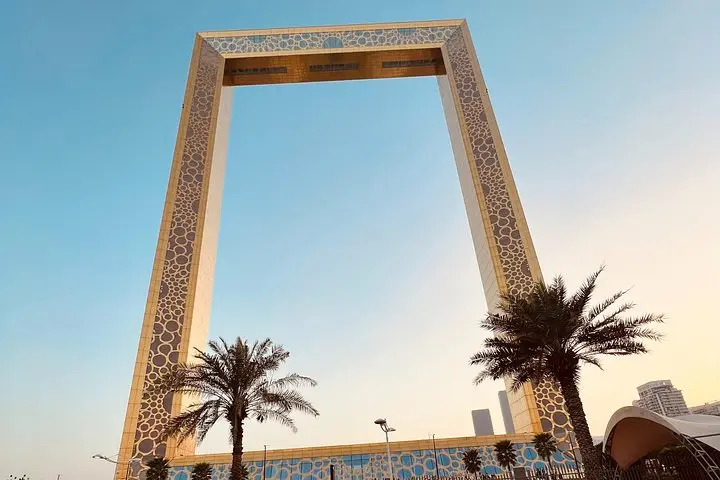
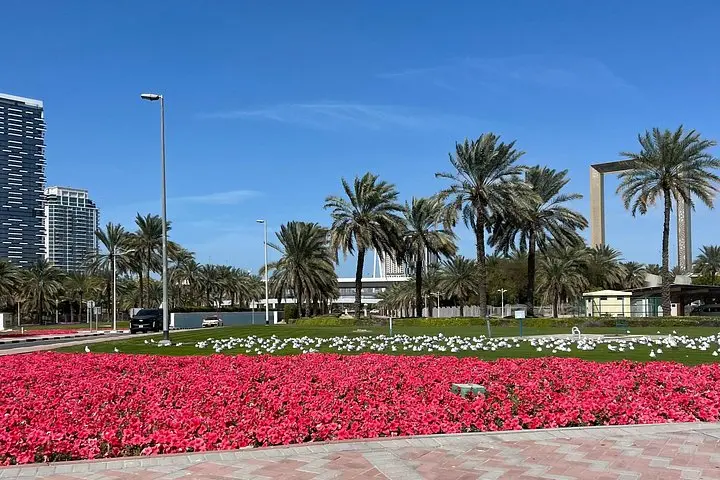
The day begins with the city opening like a map—gold spires and glass towers on one horizon, the low-slung lanes of old Dubai on the other. Visitors step from an air‑conditioned vehicle into heat and history, riding elevators to the top of the 150‑meter Dubai Frame where past and future sit opposite one another across a glass‑floored viewing deck.
The day begins with the city opening like a map—gold spires and glass towers on one horizon, the low-slung lanes of old Dubai on the other. Visitors step from an air‑conditioned vehicle into heat and history, riding elevators to the top of the 150‑meter Dubai Frame where past and future sit opposite one another across a glass‑floored viewing deck.
This short circuit threads the city’s key chapters: Jumeirah Mosque’s white limestone and calligraphy; Al Fahidi’s wind-towered alleys and art galleries; the abra crossing of Dubai Creek where wooden ferries still push traders’ rhythms; and the sensory crush of the Spice and Gold souks, marketplaces that shaped the emirate’s early economy.
Geology here is human-made—reclaimed shorelines and engineered creek banks—yet the creek remains a living artery where migratory wading birds pause. Culturally, the tour balances public religious spaces with merchant traditions, and the Dubai Frame itself was conceived as a literal frame for the city’s rapid transformation from pearling town to global hub.
Practical guidance: the route involves several short walks on paved streets and narrow alleys (expect stairs at older sites), so wear sturdy shoes and sun protection. Modest clothing is required for mosque visits; guided tours are available at the mosque. Bottled water and attraction tickets are included, and the private, small‑group format reduces wait time. Aim for early morning or late afternoon to avoid peak heat and to get the best light for photography. Bring a small daypack, ID for guided mosque access, and a readiness to trade quick haggles in the souks for local stories.