THE ADVENTURE COLLECTIVE® · Independent discovery and booking for outdoor travel

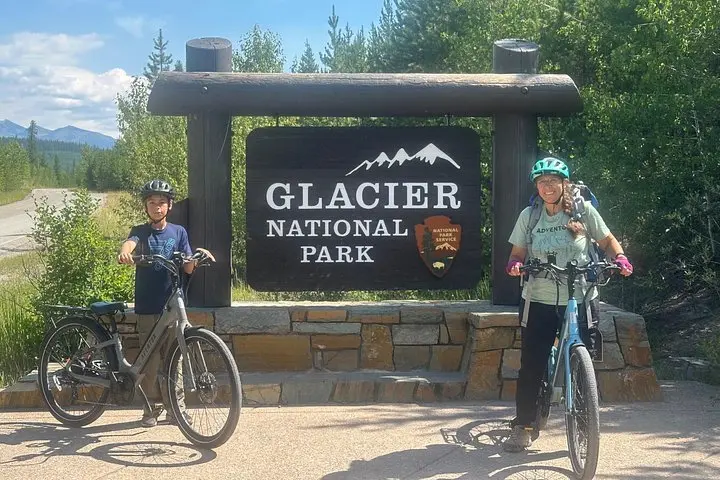
Pedal (with electric assist) from Apgar along Lake McDonald out to the North Fork on a 25‑mile round trip that mixes paved road, wildflower meadows, and glacial-blue river views. This half‑day e‑bike tour pairs leisurely riding with remote scenery and a riverside lunch.
Pedal (with electric assist) from Apgar along Lake McDonald out to the North Fork on a 25‑mile round trip that mixes paved road, wildflower meadows, and glacial-blue river views. This half‑day e‑bike tour pairs leisurely riding with remote scenery and a riverside lunch.
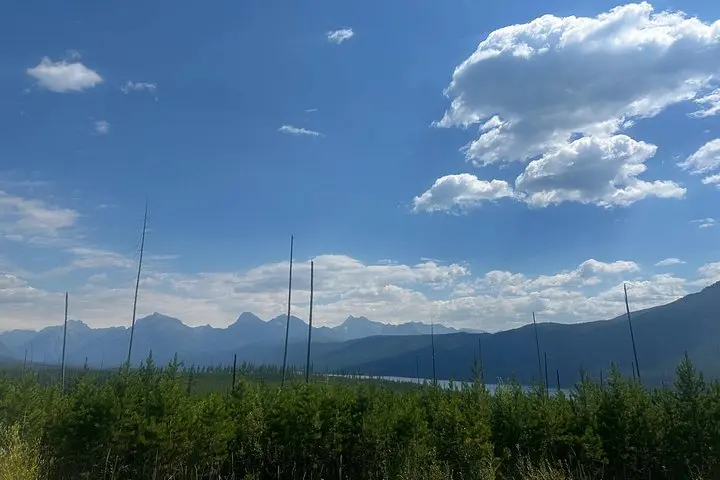
You roll out from Apgar Visitor Center with the lake to your right and a range of peaks watching every pedal. Early light picks out the colorful pebbles on Lake McDonald while the e-bike hums forward—Cam as Road unspools as a quiet, paved ribbon through meadows where wildflowers lean toward the sun.
Verified experiences and guided adventures in the surrounding area.
Operated by Glacier Hikes & Bikes · West Glacier, Montana
You roll out from Apgar Visitor Center with the lake to your right and a range of peaks watching every pedal. Early light picks out the colorful pebbles on Lake McDonald while the e-bike hums forward—Cam as Road unspools as a quiet, paved ribbon through meadows where wildflowers lean toward the sun.
This half-day route follows historic access that early settlers and park rangers used to reach the North Fork. Geology here is blunt and ancient: layered Lewis and Livingston Range cliffs carved by ice, feeding glacial streams that give the North Fork its milky turquoise edge. The human story is short against that scale—native Blackfeet and Salish people knew these valleys as seasonal corridors; the park created in 1910 protects that continental hinge.
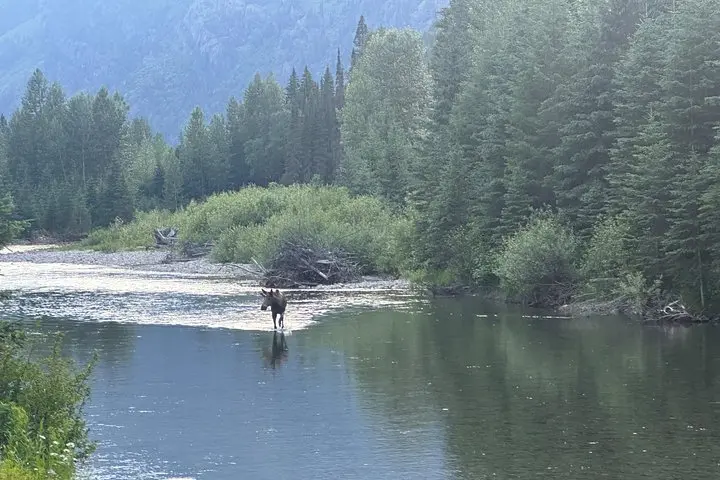
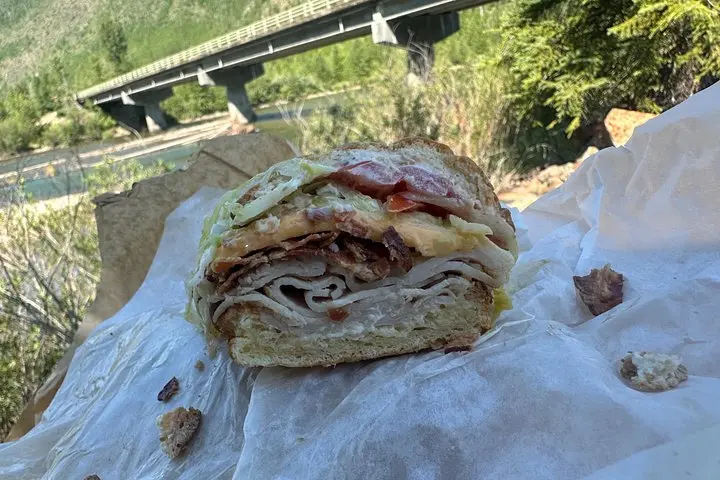
The ride: about 25 miles round trip with gentle grades and largely paved, lightly trafficked road surfaces. Expect sweeping meadow views, stands of lodgepole and Douglas fir, and a picnic “aquarium lunch” beside the North Fork where the current seems to push conversation toward silence. Wildlife is active—moose browse near water; eagles patrol the sky—and the road keeps you close to these edges without forcing you into backcountry terrain.
Practical guidance: start early to avoid afternoon winds and crowded parking, carry at least 1–2 liters of water, and wear a helmet—the e-assist makes distance easier but speedier descents reward attentive braking. Bring a light waterproof layer for sudden mountain weather and allow time to linger at viewpoints; this tour balances easy access with genuine backcountry atmosphere.
The excursion is about 25 miles round trip and runs roughly 5 hours; e‑bikes make the distance accessible, but expect a moderate effort with some sustained pedaling and rolling grades.
All visitors to Glacier National Park must have a valid park entry pass; guides typically advise on where to purchase or include directions to entry stations.
Operators commonly set minimum age and maximum weight limits for safety—confirm with the provider when booking; children should meet the company’s age requirements.
Carry bear spray if advised, store food securely, make noise on blind corners, and never approach or feed wildlife—maintain large separation from moose and bears.
Glacier Hikes & Bikes operates guided outdoor trips and adventures with an emphasis on safety, stewardship, and memorable experiences.
You roll out from Apgar Visitor Center with the lake to your right and a range of peaks watching every pedal. Early light picks out the colorful pebbles on Lake McDonald while the e-bike hums forward—Cam as Road unspools as a quiet, paved ribbon through meadows where wildflowers lean toward the sun.
You roll out from Apgar Visitor Center with the lake to your right and a range of peaks watching every pedal. Early light picks out the colorful pebbles on Lake McDonald while the e-bike hums forward—Cam as Road unspools as a quiet, paved ribbon through meadows where wildflowers lean toward the sun.
This half-day route follows historic access that early settlers and park rangers used to reach the North Fork. Geology here is blunt and ancient: layered Lewis and Livingston Range cliffs carved by ice, feeding glacial streams that give the North Fork its milky turquoise edge. The human story is short against that scale—native Blackfeet and Salish people knew these valleys as seasonal corridors; the park created in 1910 protects that continental hinge.
The ride: about 25 miles round trip with gentle grades and largely paved, lightly trafficked road surfaces. Expect sweeping meadow views, stands of lodgepole and Douglas fir, and a picnic “aquarium lunch” beside the North Fork where the current seems to push conversation toward silence. Wildlife is active—moose browse near water; eagles patrol the sky—and the road keeps you close to these edges without forcing you into backcountry terrain.
Practical guidance: start early to avoid afternoon winds and crowded parking, carry at least 1–2 liters of water, and wear a helmet—the e-assist makes distance easier but speedier descents reward attentive braking. Bring a light waterproof layer for sudden mountain weather and allow time to linger at viewpoints; this tour balances easy access with genuine backcountry atmosphere.