THE ADVENTURE COLLECTIVE® · Independent discovery and booking for outdoor travel
A concentrated cultural circuit through Cairo: spend the morning among ancient artifacts at the Egyptian Museum and the afternoon bargaining and sipping coffee in Khan el-Khalili. Perfect for visitors who want history, context, and local flavor in a single half-day.
A concentrated cultural circuit through Cairo: spend the morning among ancient artifacts at the Egyptian Museum and the afternoon bargaining and sipping coffee in Khan el-Khalili. Perfect for visitors who want history, context, and local flavor in a single half-day.
You step from an air-conditioned vehicle into the square outside the Egyptian Museum and the city breathes around you — honking traffic, vendors calling, and the slow shuffle of tourists threading through glass cases of antiquity.
Verified experiences and guided adventures in the surrounding area.
Operated by Egypt Lifetime Tours · Cairo, Cairo
You step from an air-conditioned vehicle into the square outside the Egyptian Museum and the city breathes around you — honking traffic, vendors calling, and the slow shuffle of tourists threading through glass cases of antiquity.
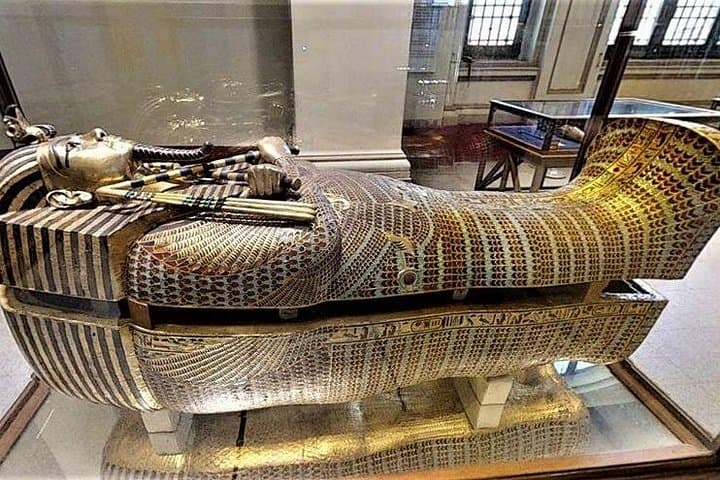
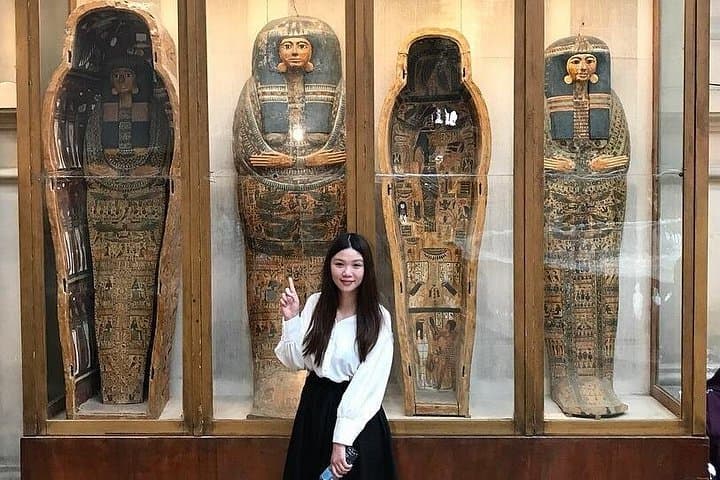
Inside, halls of stone and gold map five millennia: colossal statues lean like watchful elders, canopic jars glare from shadowed shelves, and a room of gilded objects tells the cold, precise story of Tutankhamun’s burial. The museum, opened in the early 20th century to house Egypt’s official antiquities, holds more than 250,000 objects; the most iconic pieces demand space and time to register.
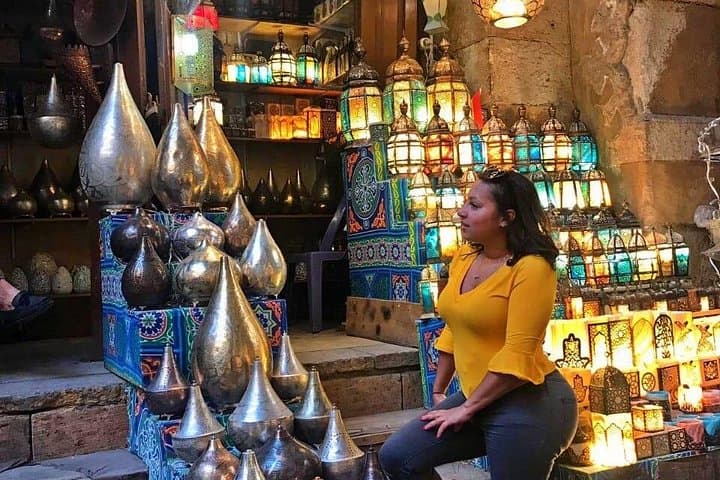
After a focused museum visit, the afternoon shifts to narrow lanes of Khan el-Khalili, a bazaar founded in 1382 where copperware clinks, spices perfume the air, and coffeehouses keep time with slow pours and conversation. Haggling is expected; local etiquette favors patience and a smile.
Practicalities shape a smooth half day: buy museum tickets in advance or expect lines, note the extra fee for the mummy room, and follow security protocols. Mornings are cooler and less crowded; bring a small daypack, comfortable walking shoes, and cash for small purchases. The guide provides context—dates, dynasties, and provenance—so your time is efficient and richly informed.
This is a compact cultural loop: intense, accessible, and grounded in the material traces of ancient statecraft and everyday Cairo life. Expect sensory contrast — cool galleries then the bazaar’s noisy intimacy — and plan your timing to get both at their liveliest.
No; the tour price typically excludes museum entrance fees and any special tickets (for example, the mummy room) which you pay on site.
Yes — private A/C vehicle pickup and return from hotels in Cairo or Giza are included; airport pickup/drop-off is available for an extra fee.
The tour is wheelchair accessible in many areas, but some museum sections and bazaar streets can be uneven; notify the operator about accessibility needs.
Expect roughly three hours at the museum and about 90 minutes at Khan el-Khalili, with transport time included in the 5-hour schedule.
Egypt Lifetime Tours operates guided outdoor trips and adventures with an emphasis on safety, stewardship, and memorable experiences.

You step from an air-conditioned vehicle into the square outside the Egyptian Museum and the city breathes around you — honking traffic, vendors calling, and the slow shuffle of tourists threading through glass cases of antiquity.
You step from an air-conditioned vehicle into the square outside the Egyptian Museum and the city breathes around you — honking traffic, vendors calling, and the slow shuffle of tourists threading through glass cases of antiquity.
Inside, halls of stone and gold map five millennia: colossal statues lean like watchful elders, canopic jars glare from shadowed shelves, and a room of gilded objects tells the cold, precise story of Tutankhamun’s burial. The museum, opened in the early 20th century to house Egypt’s official antiquities, holds more than 250,000 objects; the most iconic pieces demand space and time to register.
After a focused museum visit, the afternoon shifts to narrow lanes of Khan el-Khalili, a bazaar founded in 1382 where copperware clinks, spices perfume the air, and coffeehouses keep time with slow pours and conversation. Haggling is expected; local etiquette favors patience and a smile.
Practicalities shape a smooth half day: buy museum tickets in advance or expect lines, note the extra fee for the mummy room, and follow security protocols. Mornings are cooler and less crowded; bring a small daypack, comfortable walking shoes, and cash for small purchases. The guide provides context—dates, dynasties, and provenance—so your time is efficient and richly informed.
This is a compact cultural loop: intense, accessible, and grounded in the material traces of ancient statecraft and everyday Cairo life. Expect sensory contrast — cool galleries then the bazaar’s noisy intimacy — and plan your timing to get both at their liveliest.
