THE ADVENTURE COLLECTIVE® · Independent discovery and booking for outdoor travel

Combine 2 hours among pharaonic treasures at the Egyptian Museum with a tranquil felucca ride on the Nile. This half-day pairing delivers concentrated history, river breeze, and practical tips for timing, attire, and what to expect.
Combine 2 hours among pharaonic treasures at the Egyptian Museum with a tranquil felucca ride on the Nile. This half-day pairing delivers concentrated history, river breeze, and practical tips for timing, attire, and what to expect.
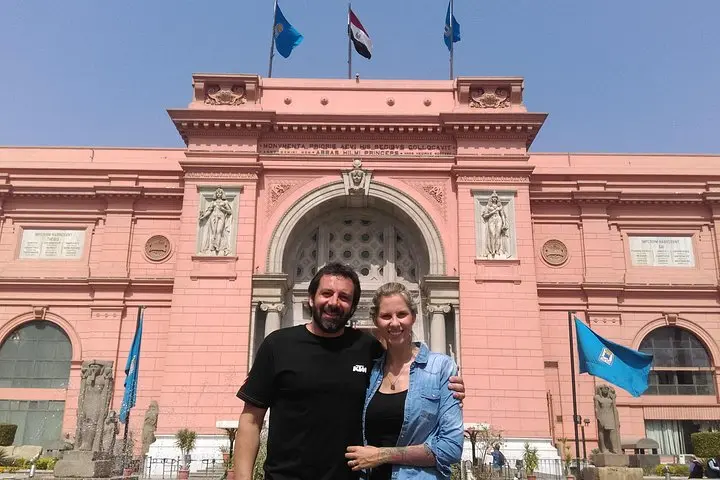
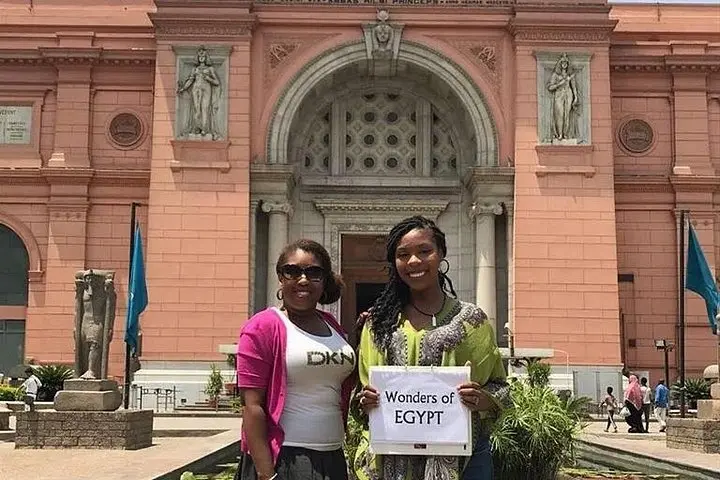
You step out of a shaded car onto Tahrir’s wide pavement, the museum’s pale façade cutting a geometric line against Cairo’s heat. Inside, cool rooms hold pharaonic faces that stare back across millennia; outside, the Nile waits, its current impatient and the breeze already promising relief on the felucca.
Verified experiences and guided adventures in the surrounding area.
Operated by Wonders of Egypt Tours · Cairo, Cairo Governorate
You step out of a shaded car onto Tahrir’s wide pavement, the museum’s pale façade cutting a geometric line against Cairo’s heat. Inside, cool rooms hold pharaonic faces that stare back across millennia; outside, the Nile waits, its current impatient and the breeze already promising relief on the felucca.
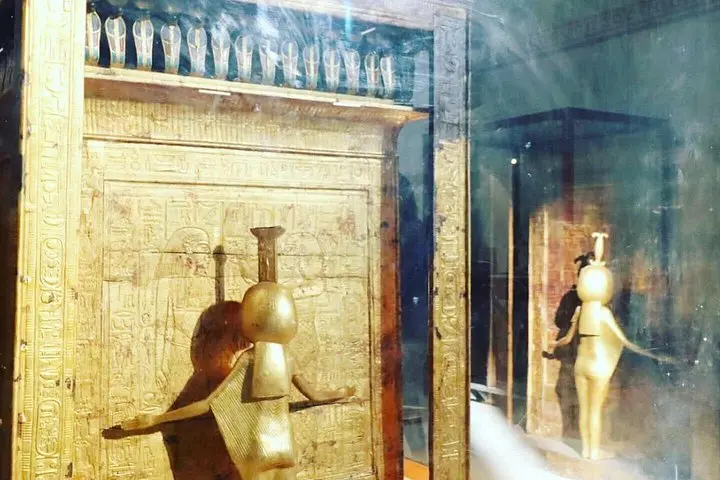
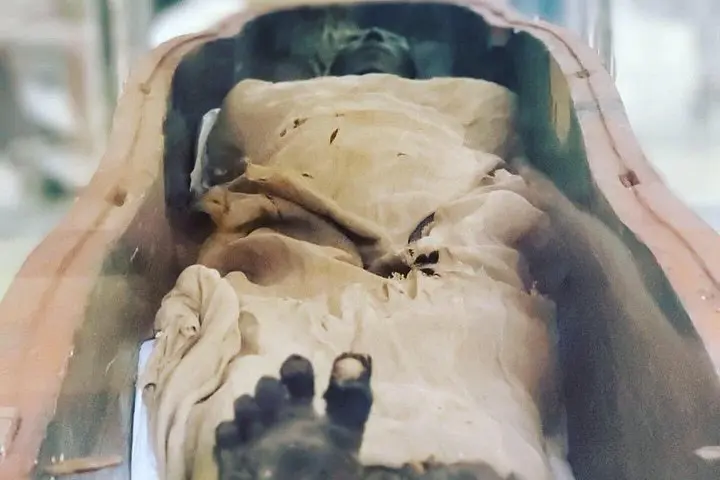
The Museum of Egyptian Antiquities — opened in 1901 by builders Garozzo-Zaffarani — contains roughly 120,000 cataloged objects, from colossal statuary to delicate jewelry and the famed Tutankhamun assemblage. Geology and material culture meet here: carved limestone, basalt, and alabaster that record ancient quarrying and stone-working traditions. Cross the city to the river and you encounter a living transportation tradition — the felucca, a lateen-sailed craft that has plied the Nile since pharaonic times and still relies on the day’s southerly breeze.
This combined half-day gives about two hours inside the museum and roughly an hour on the water; expect 4–5 hours total including transfers. Practical notes: bring sun protection and a refillable water bottle for the river deck; museums have steps and tight display rooms so wear comfortable, non-slip shoes. Morning and late afternoon visits are best — cooler light for photos and a calmer river. Keep valuables close in busy areas and follow your Egyptologist’s route to see top highlights efficiently.
Culture and conservation intersect here: ask about the museum’s recent moves to the Grand Egyptian Museum and be mindful of litter on the riverbanks. A short tour, it delivers dense history and a quiet sail — an urban pairing that’s both easy and richly rewarding.
Yes — this itinerary lists admission to the Egyptian Museum and a felucca ride as included in the tour price.
Traditional feluccas rely on sail and current; captains may steer with rudimentary methods and there is usually no engine.
Children are welcome but must be accompanied by an adult; infants are required to sit on an adult’s lap per operator policy.
You can cancel for a full refund if you cancel at least 24 hours before the scheduled departure time.
Wonders of Egypt Tours operates guided outdoor trips and adventures with an emphasis on safety, stewardship, and memorable experiences.
You step out of a shaded car onto Tahrir’s wide pavement, the museum’s pale façade cutting a geometric line against Cairo’s heat. Inside, cool rooms hold pharaonic faces that stare back across millennia; outside, the Nile waits, its current impatient and the breeze already promising relief on the felucca.
You step out of a shaded car onto Tahrir’s wide pavement, the museum’s pale façade cutting a geometric line against Cairo’s heat. Inside, cool rooms hold pharaonic faces that stare back across millennia; outside, the Nile waits, its current impatient and the breeze already promising relief on the felucca.
The Museum of Egyptian Antiquities — opened in 1901 by builders Garozzo-Zaffarani — contains roughly 120,000 cataloged objects, from colossal statuary to delicate jewelry and the famed Tutankhamun assemblage. Geology and material culture meet here: carved limestone, basalt, and alabaster that record ancient quarrying and stone-working traditions. Cross the city to the river and you encounter a living transportation tradition — the felucca, a lateen-sailed craft that has plied the Nile since pharaonic times and still relies on the day’s southerly breeze.
This combined half-day gives about two hours inside the museum and roughly an hour on the water; expect 4–5 hours total including transfers. Practical notes: bring sun protection and a refillable water bottle for the river deck; museums have steps and tight display rooms so wear comfortable, non-slip shoes. Morning and late afternoon visits are best — cooler light for photos and a calmer river. Keep valuables close in busy areas and follow your Egyptologist’s route to see top highlights efficiently.
Culture and conservation intersect here: ask about the museum’s recent moves to the Grand Egyptian Museum and be mindful of litter on the riverbanks. A short tour, it delivers dense history and a quiet sail — an urban pairing that’s both easy and richly rewarding.