THE ADVENTURE COLLECTIVE® · Independent discovery and booking for outdoor travel

A private, half‑day speedboat tour from Gruž that reaches the Elafiti islands in about 20 minutes. Ideal for swimmers and snorkelers who want flexible time on Koločep and Lopud, plus expert local guidance.
A private, half‑day speedboat tour from Gruž that reaches the Elafiti islands in about 20 minutes. Ideal for swimmers and snorkelers who want flexible time on Koločep and Lopud, plus expert local guidance.
You push off from Gruž as the city shrinks behind the quay and the Adriatic opens ahead — a bright, restless surface that seems to dare you toward the nearest islands. The Quicksilver 675 thumps forward; cliffs and pines alternately loom and recede, while the skipper trims speed to thread coves and anchor at sheltered swims.
Verified experiences and guided adventures in the surrounding area.
Operated by Explore Dubrovnik · Dubrovnik, Dubrovnik-Neretva County
You push off from Gruž as the city shrinks behind the quay and the Adriatic opens ahead — a bright, restless surface that seems to dare you toward the nearest islands. The Quicksilver 675 thumps forward; cliffs and pines alternately loom and recede, while the skipper trims speed to thread coves and anchor at sheltered swims.
The Elaphiti (Elafiti) Islands trace a short history of maritime life and retreat: Greek and Roman sailors named them for deer, medieval Dubrovnik families later kept summer estates here, and small monasteries and village churches still mark the shorelines. Geologically the islands are karst limestone carved into cliffs, sea caves and pebble coves; offshore Posidonia meadows feed an active marine ecosystem that attracts dolphins and diving gulls.
Culturally, Lopud’s sandy Sunj beach and Lopud village churches contrast with Koločep’s twin hamlets, Gornje Celo and Donje Celo, and their Blue Cave draw swimmers who prefer a close, salty thrill to a long hike ashore.
Practically: this private four‑hour trip is flexible — expect 20–30 minutes transit to the nearest islands and longer if you choose to land. Plan for a mix of sun and wind: reef‑safe sunscreen, a light windbreaker and water shoes make swims and shore landings easier. Bring a small dry bag for phone and keys; snorkel gear is provided but a personal mask often fits better. If you’re prone to seasickness, take medication before boarding. Morning departures offer calmer seas and clearer water for snorkeling; late afternoons are quieter for villages. The skipper’s local knowledge is the best map — ask about anchoring over Posidonia beds and pick a landing if you want to explore historic monastery ruins or simply linger on Sunj’s sand.
The private tour runs four hours; you can typically visit one or two islands in that time, depending on whether you choose to spend time ashore or swim more.
Yes — basic snorkel masks are provided, plus a GoPro option; some travelers still prefer to bring their own mask for a better fit.
Children are allowed but must be accompanied by an adult; service animals are permitted. Infants should sit on an adult’s lap.
The operator cancels if conditions are unsafe; cancellations 24+ hours before departure are fully refundable per policy.
Explore Dubrovnik operates guided outdoor trips and adventures with an emphasis on safety, stewardship, and memorable experiences.
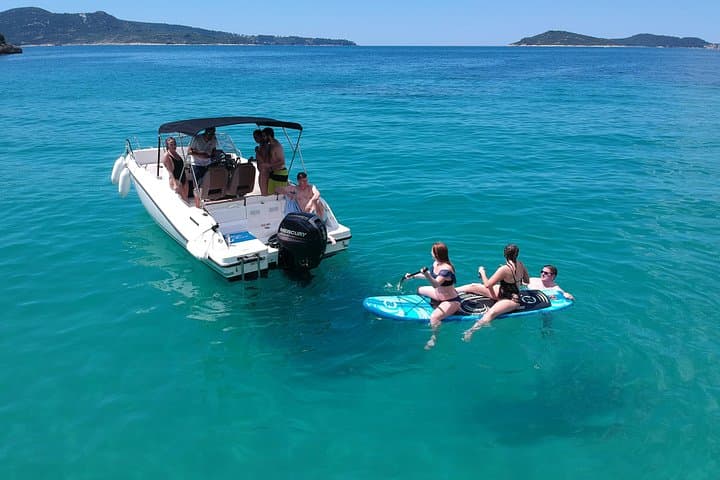
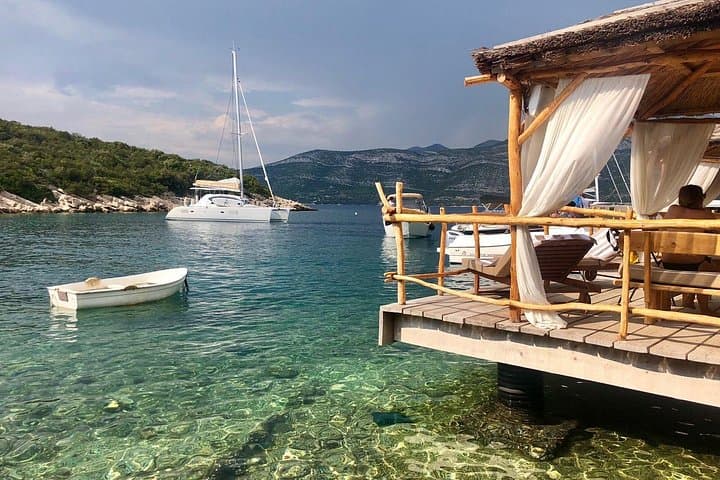
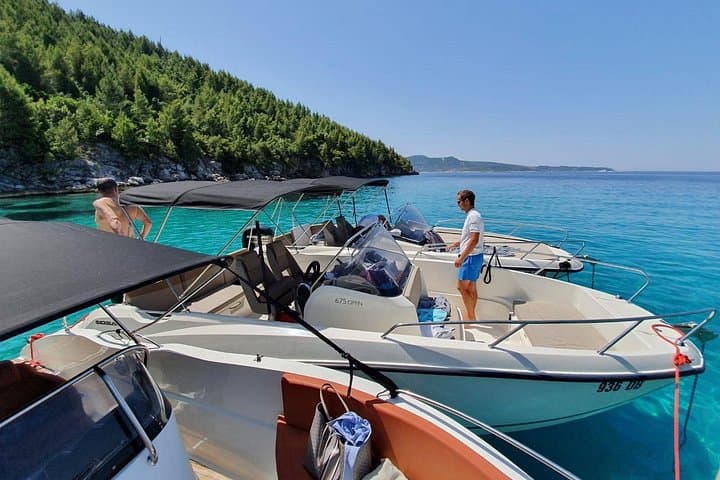
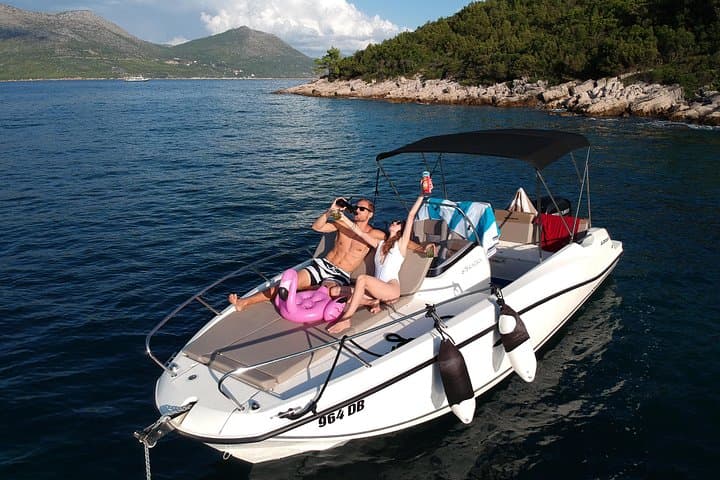
You push off from Gruž as the city shrinks behind the quay and the Adriatic opens ahead — a bright, restless surface that seems to dare you toward the nearest islands. The Quicksilver 675 thumps forward; cliffs and pines alternately loom and recede, while the skipper trims speed to thread coves and anchor at sheltered swims.
You push off from Gruž as the city shrinks behind the quay and the Adriatic opens ahead — a bright, restless surface that seems to dare you toward the nearest islands. The Quicksilver 675 thumps forward; cliffs and pines alternately loom and recede, while the skipper trims speed to thread coves and anchor at sheltered swims.
The Elaphiti (Elafiti) Islands trace a short history of maritime life and retreat: Greek and Roman sailors named them for deer, medieval Dubrovnik families later kept summer estates here, and small monasteries and village churches still mark the shorelines. Geologically the islands are karst limestone carved into cliffs, sea caves and pebble coves; offshore Posidonia meadows feed an active marine ecosystem that attracts dolphins and diving gulls.
Culturally, Lopud’s sandy Sunj beach and Lopud village churches contrast with Koločep’s twin hamlets, Gornje Celo and Donje Celo, and their Blue Cave draw swimmers who prefer a close, salty thrill to a long hike ashore.
Practically: this private four‑hour trip is flexible — expect 20–30 minutes transit to the nearest islands and longer if you choose to land. Plan for a mix of sun and wind: reef‑safe sunscreen, a light windbreaker and water shoes make swims and shore landings easier. Bring a small dry bag for phone and keys; snorkel gear is provided but a personal mask often fits better. If you’re prone to seasickness, take medication before boarding. Morning departures offer calmer seas and clearer water for snorkeling; late afternoons are quieter for villages. The skipper’s local knowledge is the best map — ask about anchoring over Posidonia beds and pick a landing if you want to explore historic monastery ruins or simply linger on Sunj’s sand.