THE ADVENTURE COLLECTIVE® · Independent discovery and booking for outdoor travel
Float down the Chagres River to meet the Emberá: a half-day canoe and cultural visit that pairs short river transits with music, dance and a village lunch. Expect clear-water stops, artisan demonstrations, and practical logistics from Panama City.
Float down the Chagres River to meet the Emberá: a half-day canoe and cultural visit that pairs short river transits with music, dance and a village lunch. Expect clear-water stops, artisan demonstrations, and practical logistics from Panama City.
You step from a van into humid air thick with green—then into a dugout canoe that rocks like a living thing. The Chagres River takes hold of the bow, pushing you under a canopy where sunlight slits through palm fronds and the water murmurs as if sharing local news.
Verified experiences and guided adventures in the surrounding area.
Operated by Panama Tours PTY · Panama City, Panamá Province
You step from a van into humid air thick with green—then into a dugout canoe that rocks like a living thing. The Chagres River takes hold of the bow, pushing you under a canopy where sunlight slits through palm fronds and the water murmurs as if sharing local news.
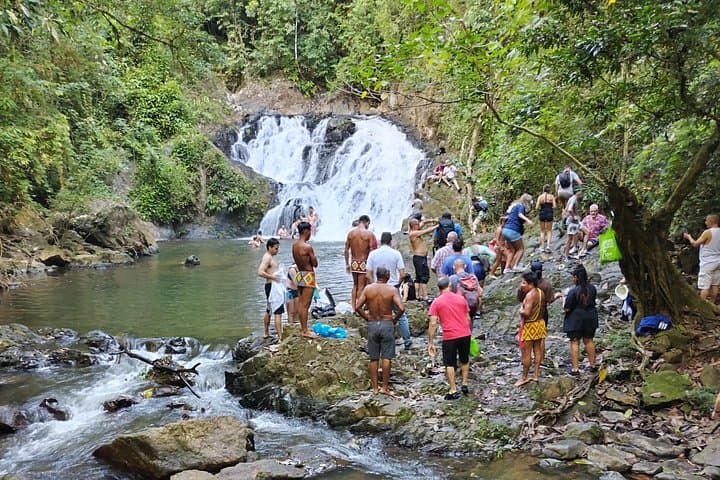
The Emberá are river people with a history that predates the canal: their songs, flute music and carved gourds are cultural threads woven around life on the waterways of eastern Panama. Geologically, the Chagres collects runoff from the Cordillera Central and pours it through forested slopes, creating riffles and occasional clear tributary falls where the guide may invite you to cool off.
At the village you’ll meet artisans, watch traditional dances and hear about Emberá social organization and subsistence living—hunting, fishing and small-scale agriculture—while sampling fried fish and patacones served on chaguite leaves. The interaction is direct and rooted in daily practice rather than staged spectacle.
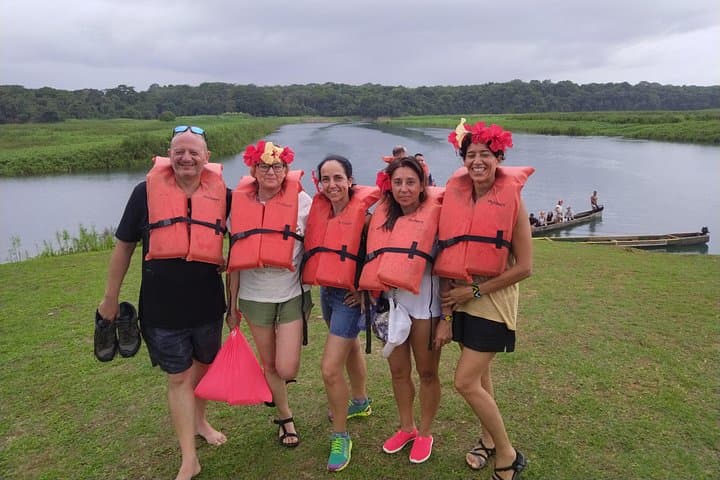
Practicalities: tours include hotel pickup in Panama City and a roughly 6–7 hour window on the water and in the village. Expect a 30–60 minute canoe transit each way, uneven riverbank approaches and short walks in soft soil. Bring insect repellent, sun protection, a quick-dry layer and footwear that can get wet. Cameras are welcome but ask before photographing people closely.
This outing is accessible for most travelers but remember the river sets the pace—listen to guides, respect local customs, and plan for wet-season roads if you travel May–November.
Expect roughly 30–60 minutes each way depending on river conditions and the specific village visited.
Yes; a local lunch typically includes fried fish, patacones and exotic fruits, often served on chaguite leaves.
Yes; infants must sit on an adult’s lap and the tour is generally suitable for children, though supervision is required near water.
You may photograph most scenes, but always ask permission before taking close-up portraits and respect any requests to refrain.
Panama Tours PTY operates guided outdoor trips and adventures with an emphasis on safety, stewardship, and memorable experiences.
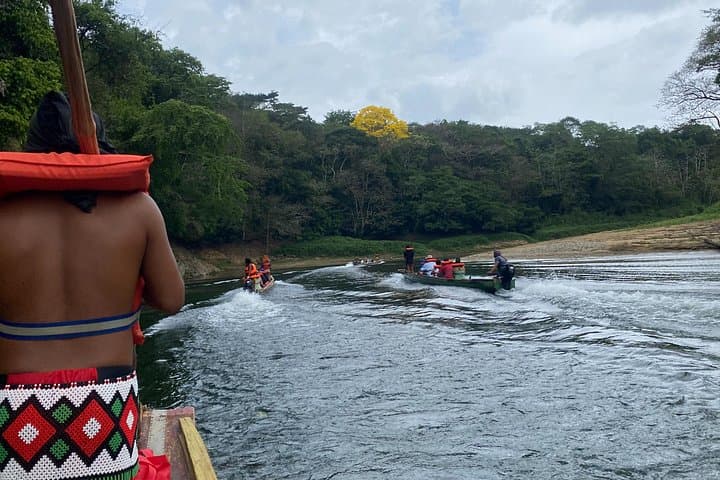
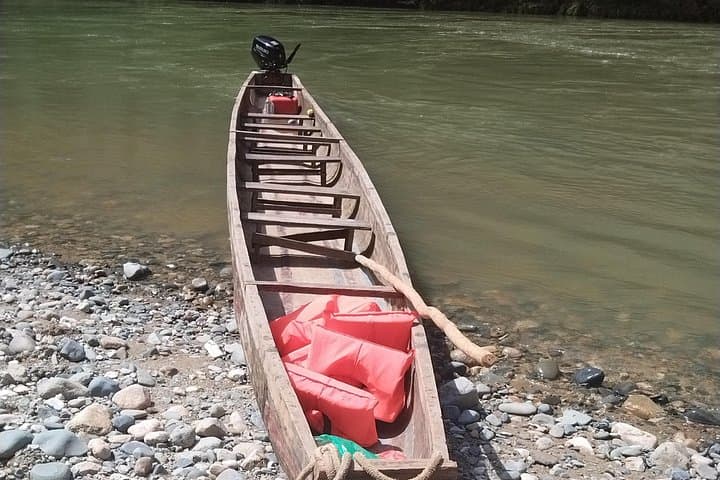
You step from a van into humid air thick with green—then into a dugout canoe that rocks like a living thing. The Chagres River takes hold of the bow, pushing you under a canopy where sunlight slits through palm fronds and the water murmurs as if sharing local news.
You step from a van into humid air thick with green—then into a dugout canoe that rocks like a living thing. The Chagres River takes hold of the bow, pushing you under a canopy where sunlight slits through palm fronds and the water murmurs as if sharing local news.
The Emberá are river people with a history that predates the canal: their songs, flute music and carved gourds are cultural threads woven around life on the waterways of eastern Panama. Geologically, the Chagres collects runoff from the Cordillera Central and pours it through forested slopes, creating riffles and occasional clear tributary falls where the guide may invite you to cool off.
At the village you’ll meet artisans, watch traditional dances and hear about Emberá social organization and subsistence living—hunting, fishing and small-scale agriculture—while sampling fried fish and patacones served on chaguite leaves. The interaction is direct and rooted in daily practice rather than staged spectacle.
Practicalities: tours include hotel pickup in Panama City and a roughly 6–7 hour window on the water and in the village. Expect a 30–60 minute canoe transit each way, uneven riverbank approaches and short walks in soft soil. Bring insect repellent, sun protection, a quick-dry layer and footwear that can get wet. Cameras are welcome but ask before photographing people closely.
This outing is accessible for most travelers but remember the river sets the pace—listen to guides, respect local customs, and plan for wet-season roads if you travel May–November.
