THE ADVENTURE COLLECTIVE® · Independent discovery and booking for outdoor travel

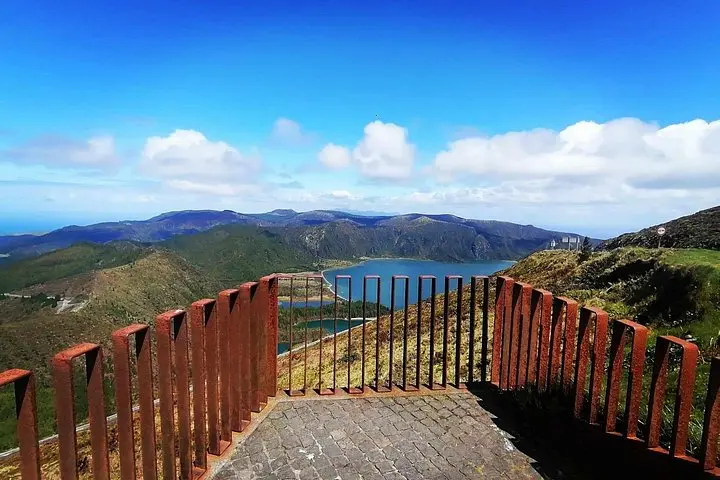
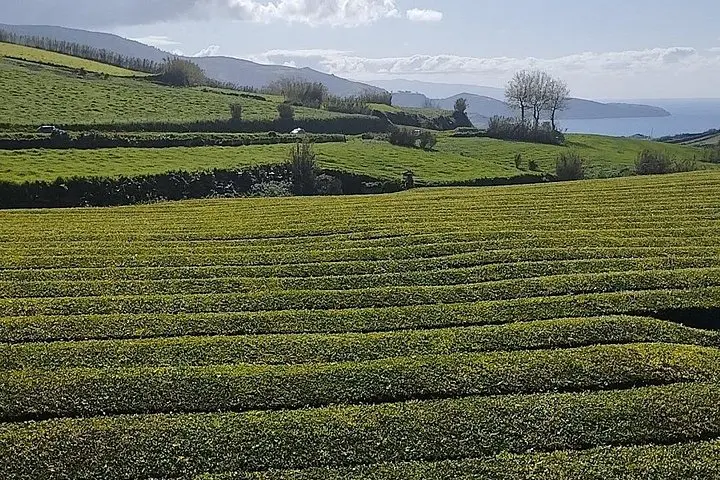
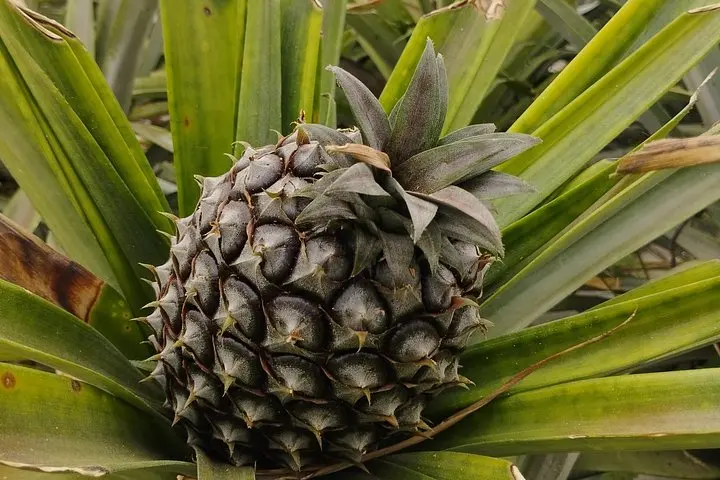
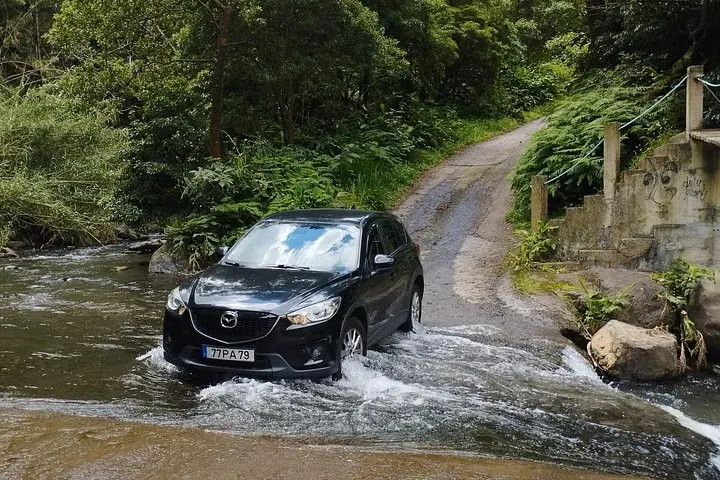
Drive remote roads, stand on a volcanic rim above Lagoa do Fogo, taste Europe’s oldest commercial tea and tour pineapple greenhouses—all in one compact half-day jeep outing on São Miguel. Expect short walks, dramatic geology, and hands-on local agriculture.
Drive remote roads, stand on a volcanic rim above Lagoa do Fogo, taste Europe’s oldest commercial tea and tour pineapple greenhouses—all in one compact half-day jeep outing on São Miguel. Expect short walks, dramatic geology, and hands-on local agriculture.
You climb into a jeep as the island exhales sea-salt air and volcanic steam; the road angles up toward Lagoa do Fogo and the rim opens like a dark eye, steaming faintly beneath a cool sky.
Verified experiences and guided adventures in the surrounding area.
Operated by Frigate Tours Azores · Ponta Delgada, Azores
You climb into a jeep as the island exhales sea-salt air and volcanic steam; the road angles up toward Lagoa do Fogo and the rim opens like a dark eye, steaming faintly beneath a cool sky.
The half-day circuit moves fast but deliberately: Pico da Barrosa’s ridgeline frames a caldera lake formed by millennia of eruptions, while dirt tracks such as Caminho da Tondela thread through brook-fed ravines and past hot springs where fumaroles still whisper. The Gorreana tea plantation—Europe’s longest-running commercial tea operation—offers a compact lesson in colonial-era agriculture and industrial tea production, followed by a tasting that puts the island’s unique terroir in your mouth. Pineapple greenhouses at Fajã de Baixo or Laranjeiras reveal an odd Azorean success story: tropical fruit coaxed from volcanic heat and careful greenhouse craft.
You’ll see black-sand beaches born of basalt lava and century-old town architecture in Ribeira Grande, where small liquor makers and surf towns punctuate working-farm landscapes. The geology is blunt: basalt flows, ash layers and calderas that control drainage and microclimates; the culture is pragmatic—tea, pineapples and dairy shaping local identity.
Practical notes: expect 4–5 hours including transfers and photo stops; tours use alternative secondary roads so motion can be bumpy; brief walks and short stairs at stops are common. Bring layers for wind and rain, sturdy footwear for uneven ground, a camera with spare battery, and cash for small purchases at plantations. Morning departures avoid slipstreaming tour groups and catch the best light for the lake rim.
Yes—private transportation typically includes pickup and drop-off within Ponta Delgada; confirm your exact meeting point when booking.
Yes—Gorreana includes a short visit and tea tasting, and the pineapple greenhouses include a guided stop with tasting.
The tour is vehicle-based with brief on-foot sections; it is not recommended for guests with serious spinal injuries and may be difficult for those who require continuous wheelchair access.
Guides are available in English, Spanish or Portuguese; request your preferred language when booking.
Frigate Tours Azores operates guided outdoor trips and adventures with an emphasis on safety, stewardship, and memorable experiences.
You climb into a jeep as the island exhales sea-salt air and volcanic steam; the road angles up toward Lagoa do Fogo and the rim opens like a dark eye, steaming faintly beneath a cool sky.
You climb into a jeep as the island exhales sea-salt air and volcanic steam; the road angles up toward Lagoa do Fogo and the rim opens like a dark eye, steaming faintly beneath a cool sky.
The half-day circuit moves fast but deliberately: Pico da Barrosa’s ridgeline frames a caldera lake formed by millennia of eruptions, while dirt tracks such as Caminho da Tondela thread through brook-fed ravines and past hot springs where fumaroles still whisper. The Gorreana tea plantation—Europe’s longest-running commercial tea operation—offers a compact lesson in colonial-era agriculture and industrial tea production, followed by a tasting that puts the island’s unique terroir in your mouth. Pineapple greenhouses at Fajã de Baixo or Laranjeiras reveal an odd Azorean success story: tropical fruit coaxed from volcanic heat and careful greenhouse craft.
You’ll see black-sand beaches born of basalt lava and century-old town architecture in Ribeira Grande, where small liquor makers and surf towns punctuate working-farm landscapes. The geology is blunt: basalt flows, ash layers and calderas that control drainage and microclimates; the culture is pragmatic—tea, pineapples and dairy shaping local identity.
Practical notes: expect 4–5 hours including transfers and photo stops; tours use alternative secondary roads so motion can be bumpy; brief walks and short stairs at stops are common. Bring layers for wind and rain, sturdy footwear for uneven ground, a camera with spare battery, and cash for small purchases at plantations. Morning departures avoid slipstreaming tour groups and catch the best light for the lake rim.