THE ADVENTURE COLLECTIVE® · Independent discovery and booking for outdoor travel

Three hours of temples, merchant houses and early-modern architecture guide you through Fukuoka’s living history. This compact walking tour balances shrine rituals and hands-on culture for travelers who want a focused, local introduction.
Three hours of temples, merchant houses and early-modern architecture guide you through Fukuoka’s living history. This compact walking tour balances shrine rituals and hands-on culture for travelers who want a focused, local introduction.
Morning light slides across narrow streets as you step from Hakata Station into a city where commerce and ritual rub shoulders. The tour moves at a steady, walkable pace: a five-story pagoda and a hulking wooden Buddha at Tochoji, the carved floats and ancient ginkgo at Kushida Shrine, a hands-on peek at Hakata Machiya’s restored merchant homes, and the red-brick façade of the early-20th-century culture center in Tenjin.
Verified experiences and guided adventures in the surrounding area.
Operated by MY Travel Consulting · Fukuoka, Fukuoka Prefecture
Morning light slides across narrow streets as you step from Hakata Station into a city where commerce and ritual rub shoulders. The tour moves at a steady, walkable pace: a five-story pagoda and a hulking wooden Buddha at Tochoji, the carved floats and ancient ginkgo at Kushida Shrine, a hands-on peek at Hakata Machiya’s restored merchant homes, and the red-brick façade of the early-20th-century culture center in Tenjin.
Fukuoka’s story is visible in stone and wood: the founding of Tochoji by Kukai in the 9th century, Hakata’s role as Kyushu’s trading port, and rapid Meiji-era modernization embodied by the Red Brick Culture Center and nearby banking blocks. Geology is quiet but present—the city spreads across reclaimed plains into Hakata Bay, and the network of canals and rivers shaped old merchant routes and today’s city blocks. Cultural rhythms are tactile here: festival floats, Hakata-ori textiles, and ritual spaces that demand quiet attention.
Practicalities matter: this private half-day is about three hours on city pavements with short stair sections—moderate fitness and comfortable shoes suffice. Bring small bills or an IC card for admissions and food stalls; many stops are compact and require respectful behavior (no flash in shrine interiors, bow where indicated). Use public transit to and from Tenjin or arrange the included pickup; plan mornings for cooler air and fewer crowds. The route is compact but rich—walk deliberately, ask your guide about local crafts, and leave space in your schedule for a later ramen stop in Hakata.
Yes—stroller access is generally possible for most stops, but cobbled areas and stairs at shrines may require occasional lifting; infant seats can be arranged if needed.
Admissions for some sites are covered according to the itinerary; check your booking for specifics, and carry small cash for any additional entries or museum exhibits.
Pickup from central hotels or the port is offered; confirm your pickup point at booking and allow flexibility for traffic in busy periods.
A national licensed English-speaking guide is provided; request other languages in advance and the operator will confirm availability.
MY Travel Consulting operates guided outdoor trips and adventures with an emphasis on safety, stewardship, and memorable experiences.
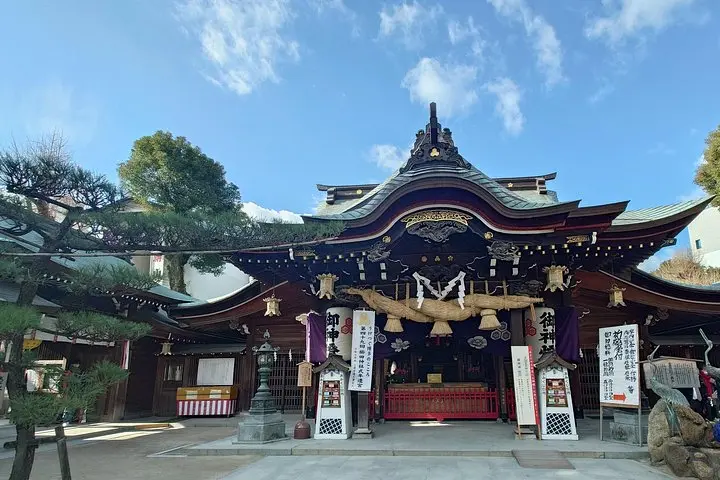
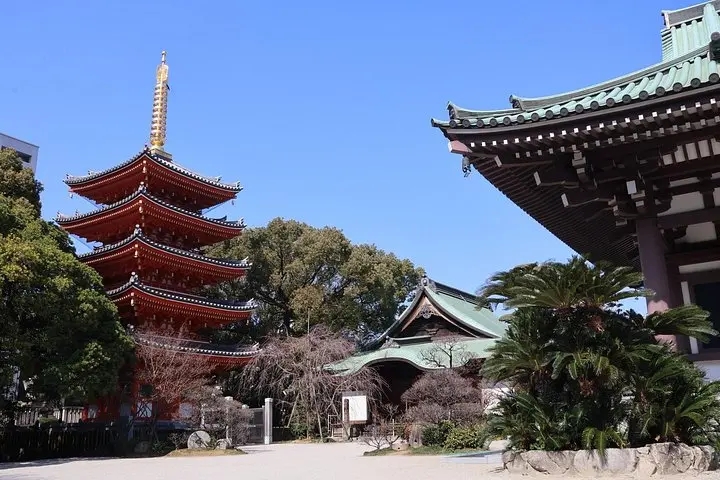
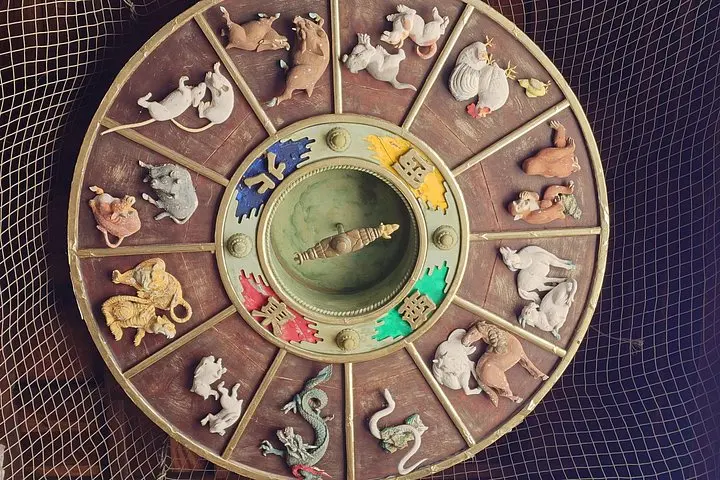
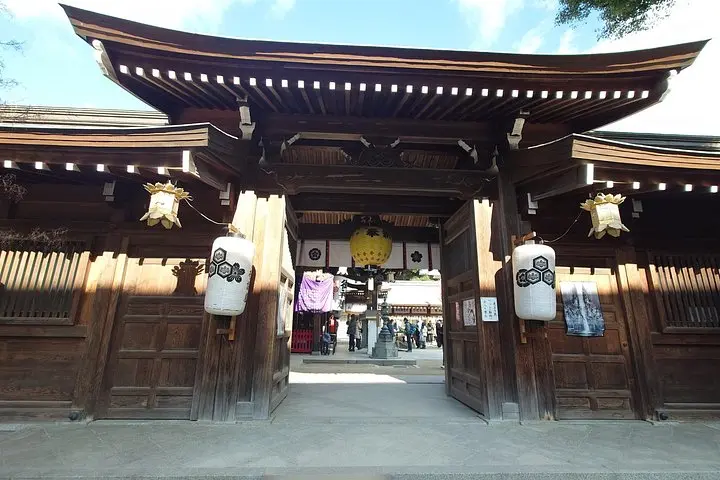
Morning light slides across narrow streets as you step from Hakata Station into a city where commerce and ritual rub shoulders. The tour moves at a steady, walkable pace: a five-story pagoda and a hulking wooden Buddha at Tochoji, the carved floats and ancient ginkgo at Kushida Shrine, a hands-on peek at Hakata Machiya’s restored merchant homes, and the red-brick façade of the early-20th-century culture center in Tenjin.
Morning light slides across narrow streets as you step from Hakata Station into a city where commerce and ritual rub shoulders. The tour moves at a steady, walkable pace: a five-story pagoda and a hulking wooden Buddha at Tochoji, the carved floats and ancient ginkgo at Kushida Shrine, a hands-on peek at Hakata Machiya’s restored merchant homes, and the red-brick façade of the early-20th-century culture center in Tenjin.
Fukuoka’s story is visible in stone and wood: the founding of Tochoji by Kukai in the 9th century, Hakata’s role as Kyushu’s trading port, and rapid Meiji-era modernization embodied by the Red Brick Culture Center and nearby banking blocks. Geology is quiet but present—the city spreads across reclaimed plains into Hakata Bay, and the network of canals and rivers shaped old merchant routes and today’s city blocks. Cultural rhythms are tactile here: festival floats, Hakata-ori textiles, and ritual spaces that demand quiet attention.
Practicalities matter: this private half-day is about three hours on city pavements with short stair sections—moderate fitness and comfortable shoes suffice. Bring small bills or an IC card for admissions and food stalls; many stops are compact and require respectful behavior (no flash in shrine interiors, bow where indicated). Use public transit to and from Tenjin or arrange the included pickup; plan mornings for cooler air and fewer crowds. The route is compact but rich—walk deliberately, ask your guide about local crafts, and leave space in your schedule for a later ramen stop in Hakata.