THE ADVENTURE COLLECTIVE® · Independent discovery and booking for outdoor travel

Spend three hours with a local storyteller exploring Gaborone’s markets, art spaces and neighborhood histories. Taste seasonal fruit, meet artisans and learn how diamonds and cattle shaped Botswana’s modern capital.
Spend three hours with a local storyteller exploring Gaborone’s markets, art spaces and neighborhood histories. Taste seasonal fruit, meet artisans and learn how diamonds and cattle shaped Botswana’s modern capital.
You step out of a shaded sedan onto a wide, sun-baked avenue and the city breathes around you — vendors calling, the Notwane River threading the low skyline, minibus taxis threading through roundabouts that learned to move fast. This half-day tour moves at an easy pace, trading monuments for moments: tasting seasonal indigenous fruit, watching jewelry be made, and listening as a local guide stitches Botswana’s recent past into the present.
Verified experiences and guided adventures in the surrounding area.
Operated by Heritage Adventures · Gaborone, Gaborone
You step out of a shaded sedan onto a wide, sun-baked avenue and the city breathes around you — vendors calling, the Notwane River threading the low skyline, minibus taxis threading through roundabouts that learned to move fast. This half-day tour moves at an easy pace, trading monuments for moments: tasting seasonal indigenous fruit, watching jewelry be made, and listening as a local guide stitches Botswana’s recent past into the present.
Gaborone grew quickly after independence in 1966; its streets reflect a pragmatic afro-western architecture and the wealth generated by diamond exports. Geologically the city sits on Kalahari sands with scattered granite outcrops and a dammed river that shaped early settlement patterns. Culturally the Batlokwa people and neighboring Tlokweng remain part of the city’s story — expect conversation about cattle’s role in society, plus stops at the country’s first mall and a visual arts center housed near early colonial civic buildings.
Practicalities are straightforward: the tour lasts about three hours, is wheelchair accessible, and includes hotel pickup. Mornings are cooler and better for walking; bring cash for small crafts and a hat for the open market stalls. If you want hands-on time, inquire in advance about the optional jewelry or painting session available for small groups. The pace favors curiosity over checklist — move with the guide, ask about family histories, and leave room in your bag for a handmade keepsake.
Yes — transportation and most stops are accessible; notify the operator in advance to arrange smooth pickup and any specific assistance.
Bottled water is provided; tasting of seasonal fruit may be included but prepared meals and alcoholic drinks are not covered unless specified.
The tour is private by default; share interests when booking and guides will try to tailor stops (e.g., extra time at art studios or markets) when possible.
Guides commonly speak English and Setswana; confirm language needs at booking to ensure the best match.
Heritage Adventures operates guided outdoor trips and adventures with an emphasis on safety, stewardship, and memorable experiences.
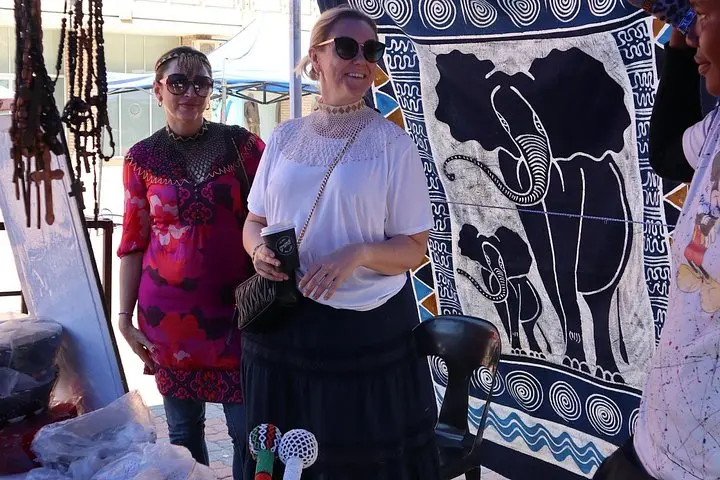
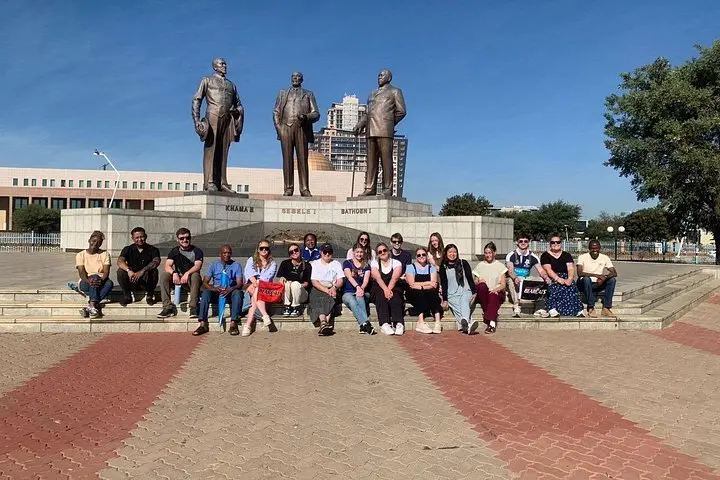
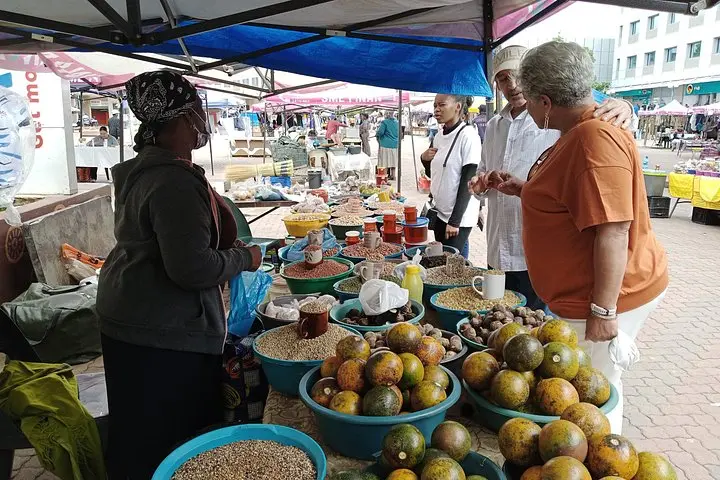
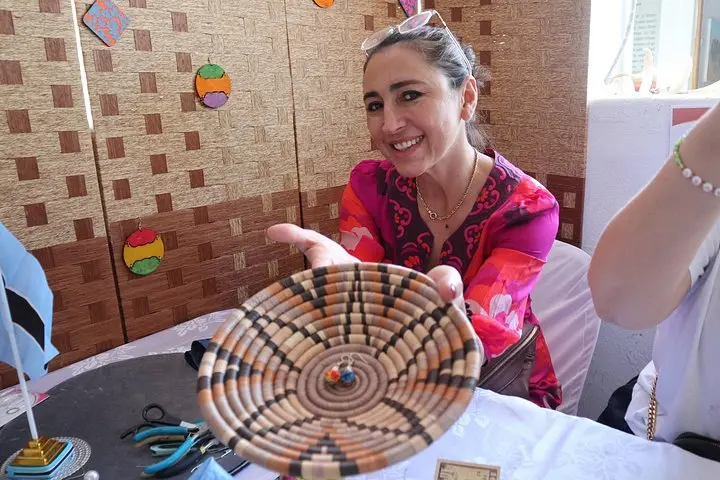
You step out of a shaded sedan onto a wide, sun-baked avenue and the city breathes around you — vendors calling, the Notwane River threading the low skyline, minibus taxis threading through roundabouts that learned to move fast. This half-day tour moves at an easy pace, trading monuments for moments: tasting seasonal indigenous fruit, watching jewelry be made, and listening as a local guide stitches Botswana’s recent past into the present.
You step out of a shaded sedan onto a wide, sun-baked avenue and the city breathes around you — vendors calling, the Notwane River threading the low skyline, minibus taxis threading through roundabouts that learned to move fast. This half-day tour moves at an easy pace, trading monuments for moments: tasting seasonal indigenous fruit, watching jewelry be made, and listening as a local guide stitches Botswana’s recent past into the present.
Gaborone grew quickly after independence in 1966; its streets reflect a pragmatic afro-western architecture and the wealth generated by diamond exports. Geologically the city sits on Kalahari sands with scattered granite outcrops and a dammed river that shaped early settlement patterns. Culturally the Batlokwa people and neighboring Tlokweng remain part of the city’s story — expect conversation about cattle’s role in society, plus stops at the country’s first mall and a visual arts center housed near early colonial civic buildings.
Practicalities are straightforward: the tour lasts about three hours, is wheelchair accessible, and includes hotel pickup. Mornings are cooler and better for walking; bring cash for small crafts and a hat for the open market stalls. If you want hands-on time, inquire in advance about the optional jewelry or painting session available for small groups. The pace favors curiosity over checklist — move with the guide, ask about family histories, and leave room in your bag for a handmade keepsake.