THE ADVENTURE COLLECTIVE® · Independent discovery and booking for outdoor travel

Spend a focused half-day between the desert plateau of Giza and the curated halls of the Egyptian Museum. This guided loop pairs the monumental presence of the pyramids with context-rich artifacts for an efficient, memorable introduction to ancient Egypt.
Spend a focused half-day between the desert plateau of Giza and the curated halls of the Egyptian Museum. This guided loop pairs the monumental presence of the pyramids with context-rich artifacts for an efficient, memorable introduction to ancient Egypt.
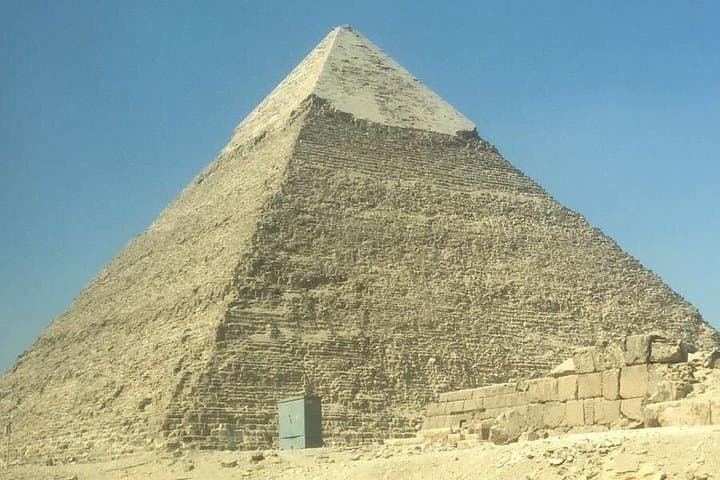
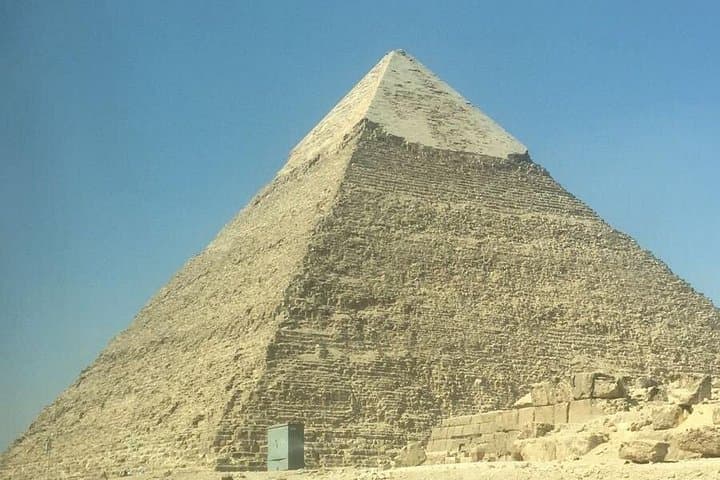
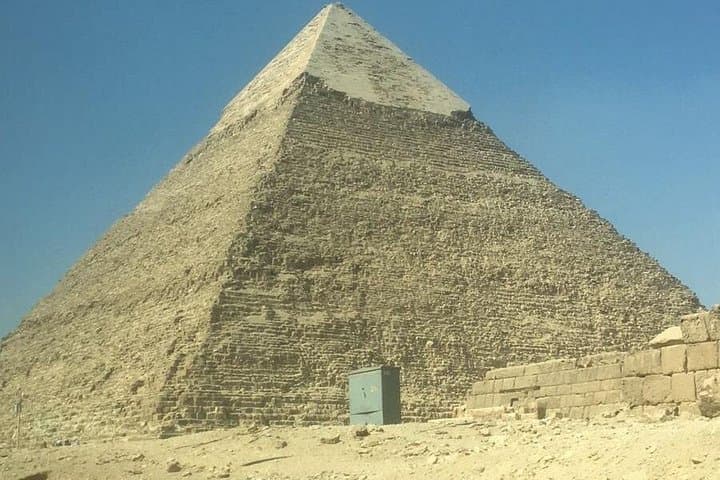
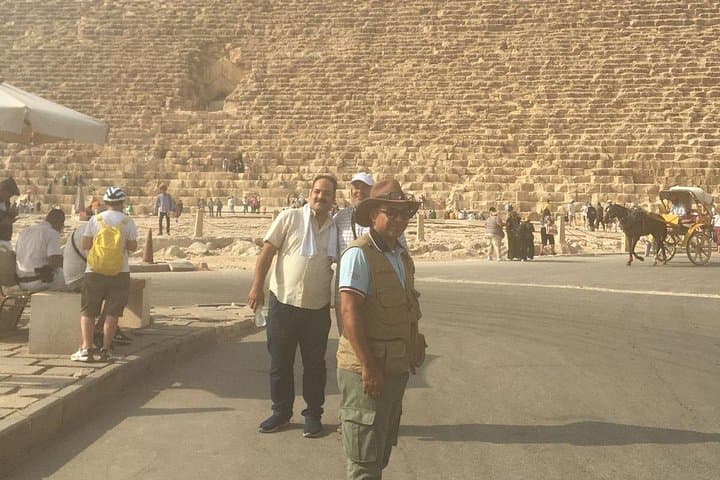
You step out of a shaded minivan and the limestone plateau opens like a page from a much older world: the Great Pyramid rises in blocky silence, the Sphinx stares toward the desert breeze, and a ring of modern Cairo crouches beyond the sand. Camels shift their weight, vendors arrange scarabs and postcards, and the air holds the mineral tang of ancient stone.
Verified experiences and guided adventures in the surrounding area.
Operated by The Opulence of Egypt · Cairo, Cairo Governorate
You step out of a shaded minivan and the limestone plateau opens like a page from a much older world: the Great Pyramid rises in blocky silence, the Sphinx stares toward the desert breeze, and a ring of modern Cairo crouches beyond the sand. Camels shift their weight, vendors arrange scarabs and postcards, and the air holds the mineral tang of ancient stone.
The Giza complex sits on Pleistocene limestone benches; the pyramids themselves are tombs from Egypt’s Old Kingdom (around 2600–2500 BCE) built from quarried blocks and precise engineering that still puzzles engineers today. A short drive away, the Egyptian Museum in Tahrir Square holds thousands of artifacts—gold funerary objects, statuary, and the famous treasures of Tutankhamun—charting millennia of pharaonic power and daily life.
Culturally, the sites are active: guides translate hieroglyphs into human stories, camel handlers negotiate rides, and local cafés offer mint tea and shade. Expect a mix of open desert exposure at Giza and climate-controlled galleries at the museum.
Practical guidance: schedule your visit early morning or late afternoon to avoid peak heat, bring a hat and at least 1–2 liters of water, and wear sturdy walking shoes—the plateau is uneven. Confirm ticket inclusions and passport requirements in advance; museum security involves bag checks. Respect barriers and signage—do not touch artifacts or climb on monuments. If you take a camel ride, agree on a price beforehand and note that rides are optional. With a sensible plan and sensible pacing, this half-day loop delivers a compact, high-impact introduction to Egypt’s most iconic monuments.
This private half-day tour is typically 5–7 hours, covering Giza and the Egyptian Museum with included transport.
According to the itinerary, admission fees to the sites are included—confirm on booking and keep your passport handy for ticketing.
The tour is labeled physically easy, but expect uneven terrain at Giza; museum access is generally stroller-friendly but check specifics for mobility assistance.
Photography rules can change—flash and tripods are often restricted, so follow onsite signage and guide instructions.
The Opulence of Egypt operates guided outdoor trips and adventures with an emphasis on safety, stewardship, and memorable experiences.
You step out of a shaded minivan and the limestone plateau opens like a page from a much older world: the Great Pyramid rises in blocky silence, the Sphinx stares toward the desert breeze, and a ring of modern Cairo crouches beyond the sand. Camels shift their weight, vendors arrange scarabs and postcards, and the air holds the mineral tang of ancient stone.
You step out of a shaded minivan and the limestone plateau opens like a page from a much older world: the Great Pyramid rises in blocky silence, the Sphinx stares toward the desert breeze, and a ring of modern Cairo crouches beyond the sand. Camels shift their weight, vendors arrange scarabs and postcards, and the air holds the mineral tang of ancient stone.
The Giza complex sits on Pleistocene limestone benches; the pyramids themselves are tombs from Egypt’s Old Kingdom (around 2600–2500 BCE) built from quarried blocks and precise engineering that still puzzles engineers today. A short drive away, the Egyptian Museum in Tahrir Square holds thousands of artifacts—gold funerary objects, statuary, and the famous treasures of Tutankhamun—charting millennia of pharaonic power and daily life.
Culturally, the sites are active: guides translate hieroglyphs into human stories, camel handlers negotiate rides, and local cafés offer mint tea and shade. Expect a mix of open desert exposure at Giza and climate-controlled galleries at the museum.
Practical guidance: schedule your visit early morning or late afternoon to avoid peak heat, bring a hat and at least 1–2 liters of water, and wear sturdy walking shoes—the plateau is uneven. Confirm ticket inclusions and passport requirements in advance; museum security involves bag checks. Respect barriers and signage—do not touch artifacts or climb on monuments. If you take a camel ride, agree on a price beforehand and note that rides are optional. With a sensible plan and sensible pacing, this half-day loop delivers a compact, high-impact introduction to Egypt’s most iconic monuments.