THE ADVENTURE COLLECTIVE® · Independent discovery and booking for outdoor travel

Explore Palermo with a local guide on a focused 2½-hour walk from Teatro Massimo through Mercato del Capo, Quattro Canti and the cloistered charms of Santa Caterina. Expect lively markets, layered architecture and practical tips for navigating cobbles and church etiquette.
Explore Palermo with a local guide on a focused 2½-hour walk from Teatro Massimo through Mercato del Capo, Quattro Canti and the cloistered charms of Santa Caterina. Expect lively markets, layered architecture and practical tips for navigating cobbles and church etiquette.
Morning sunlight hits the broad steps of Teatro Massimo and the city wakes in a chorus of vendors — a guided half-day walk through Palermo begins here, with the theatre's stone face as a clear anchor.
Verified experiences and guided adventures in the surrounding area.
Operated by In Arte Viaggiare · Palermo, Sicily
Morning sunlight hits the broad steps of Teatro Massimo and the city wakes in a chorus of vendors — a guided half-day walk through Palermo begins here, with the theatre's stone face as a clear anchor.
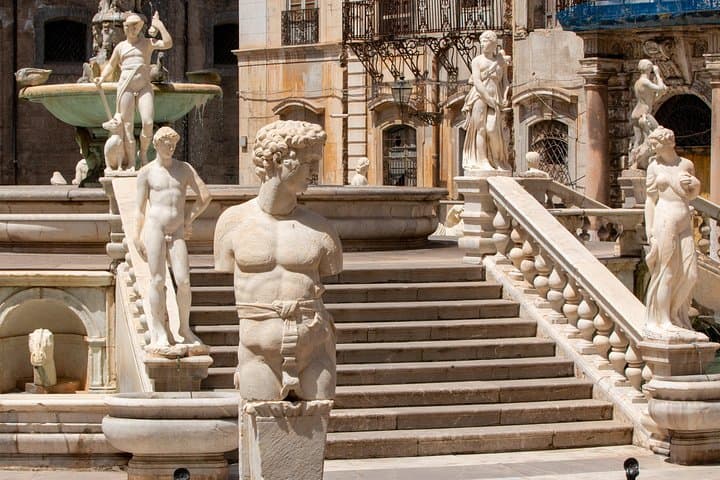
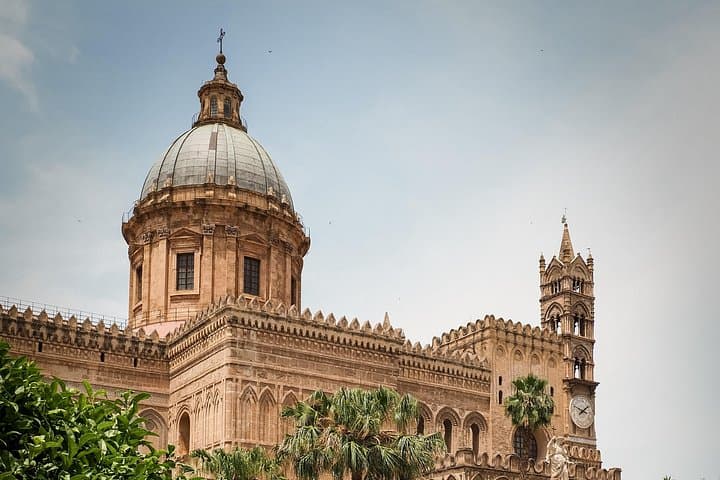
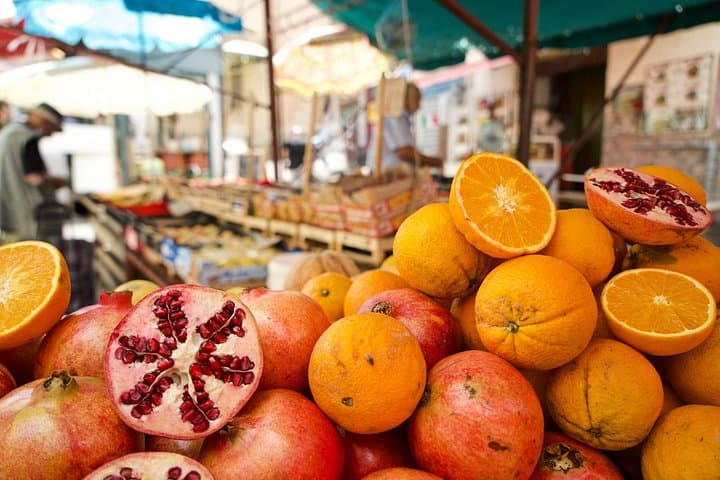
From that piazza the route threads into Mercato del Capo, where sellers’ abbanniate call out like a living instrument and frying oil mixes with citrus and spice. Visitors move past mosaicked facades and Byzantine domes to the Cathedral, a building that records Norman, Arab and Baroque layers in stone. At Quattro Canti the city’s geometry confronts you; corners mark the crossroads of history rather than mere streets.
Geologically Palermo sits on a coastal plain facing the Tyrrhenian Sea, built on Pleistocene terraces and alluvial deposits — the ground underfoot is often compacted cobblestone and worn limestone steps. Culturally the walk exposes Sicily’s hybrid identity: Arab markets, Norman churches, and neighborhood bakeries selling panelle and cannoli.
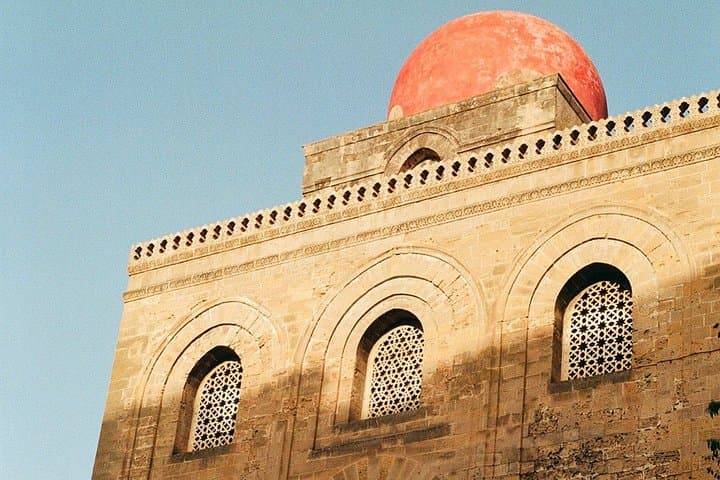
Practicalities are simple: the tour lasts about 2½ hours, covers mostly flat but uneven pavements, and includes stops at Piazza Bellini, the Admiral’s Church (La Martorana), San Cataldo and the Cloister of Santa Caterina. Mobile ticketing is accepted and guides will point out short lines where possible.
Bring comfortable walking shoes, water, and modest clothing for churches. Aim for early morning to beat heat and crowds; the market’s energy is strongest then. The itinerary is compact but rich — it’s an efficient, sensory introduction to Palermo’s streets, food and layered past.
The meeting point is in front of the main steps of Teatro Massimo (Piazza Verdi) — guides will be visible at the entrance.
The tour is listed as accessible, but expect some cobbled streets and thresholds; contact organizers in advance for specific assistance.
Admissions are generally not included; the guide will note when entry costs apply so you can decide on-site.
Shared tours typically limit group size (up to around 10 participants) to keep movement through markets and churches manageable.
In Arte Viaggiare operates guided outdoor trips and adventures with an emphasis on safety, stewardship, and memorable experiences.
Morning sunlight hits the broad steps of Teatro Massimo and the city wakes in a chorus of vendors — a guided half-day walk through Palermo begins here, with the theatre's stone face as a clear anchor.
Morning sunlight hits the broad steps of Teatro Massimo and the city wakes in a chorus of vendors — a guided half-day walk through Palermo begins here, with the theatre's stone face as a clear anchor.
From that piazza the route threads into Mercato del Capo, where sellers’ abbanniate call out like a living instrument and frying oil mixes with citrus and spice. Visitors move past mosaicked facades and Byzantine domes to the Cathedral, a building that records Norman, Arab and Baroque layers in stone. At Quattro Canti the city’s geometry confronts you; corners mark the crossroads of history rather than mere streets.
Geologically Palermo sits on a coastal plain facing the Tyrrhenian Sea, built on Pleistocene terraces and alluvial deposits — the ground underfoot is often compacted cobblestone and worn limestone steps. Culturally the walk exposes Sicily’s hybrid identity: Arab markets, Norman churches, and neighborhood bakeries selling panelle and cannoli.
Practicalities are simple: the tour lasts about 2½ hours, covers mostly flat but uneven pavements, and includes stops at Piazza Bellini, the Admiral’s Church (La Martorana), San Cataldo and the Cloister of Santa Caterina. Mobile ticketing is accepted and guides will point out short lines where possible.
Bring comfortable walking shoes, water, and modest clothing for churches. Aim for early morning to beat heat and crowds; the market’s energy is strongest then. The itinerary is compact but rich — it’s an efficient, sensory introduction to Palermo’s streets, food and layered past.