THE ADVENTURE COLLECTIVE® · Independent discovery and booking for outdoor travel

Walk the best-preserved stretch of the Tōkaidō between Hakone Yumoto and Lake Ashi—cobbled road, primitive forest, a 400-year-old teahouse and the chance of a Fuji panorama. This half-day hike blends history, craft, and a restorative forest bath.
Walk the best-preserved stretch of the Tōkaidō between Hakone Yumoto and Lake Ashi—cobbled road, primitive forest, a 400-year-old teahouse and the chance of a Fuji panorama. This half-day hike blends history, craft, and a restorative forest bath.
Morning breaks over Hakone Yumoto and the station breathes steam and muted chatter as your guide waits by the exit with a blue backpack and white cap. You step off the pavement and onto the old Tōkaidō; the stones underfoot change from modern sidewalks to centuries-worn cobbles that incline into a quiet stand of beech and cedar. The forest takes over, the trees deliberate and slow, branches shifting like a crowd moving aside. For the next two to three hours you walk a corridor of history—cobbled highway, shaded dirt steps, small shrines tucked against mossy banks—until the land opens toward Lake Ashi and, if the sky allows, a framed view of Mount Fuji.
Verified experiences and guided adventures in the surrounding area.
Operated by Coconuts Hike Japan · Hakone, Kanagawa
Morning breaks over Hakone Yumoto and the station breathes steam and muted chatter as your guide waits by the exit with a blue backpack and white cap. You step off the pavement and onto the old Tōkaidō; the stones underfoot change from modern sidewalks to centuries-worn cobbles that incline into a quiet stand of beech and cedar. The forest takes over, the trees deliberate and slow, branches shifting like a crowd moving aside. For the next two to three hours you walk a corridor of history—cobbled highway, shaded dirt steps, small shrines tucked against mossy banks—until the land opens toward Lake Ashi and, if the sky allows, a framed view of Mount Fuji.
The Hachiri route is part of the Tōkaidō, the coastal road that linked Edo (Tokyo) and Kyoto during the Edo period. Hakone’s role as a checkpoint and customs stop made it strategic—travelers passed through, tolls were taken, laws enforced—and the stone pavements you cross were built to withstand heavy foot and horse traffic. Geologically, Hakone sits on a volcanic complex; the soils are volcanic pumice and ash, which feed the dense, humidity-loving forests and create the well-draining trails hikers appreciate.
Culturally, the hike threads through pockets of living craft. About an hour in you come to Hatajuku, a woodcraft village where local artisans still shape boxes and lacquerware using techniques refined over generations. The teahouse you visit—claimed to be four centuries old—serves amasake, a sweet fermented rice drink that feels like a reset mid-hike. The guide’s narration makes Hakone tangible: checkpoint stories, local livelihoods, and the practical logic behind the bus that bypasses the steepest climb to preserve energy for views.
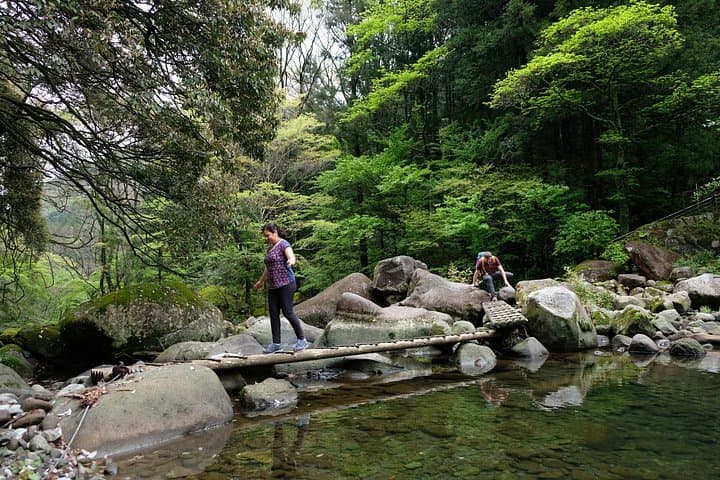
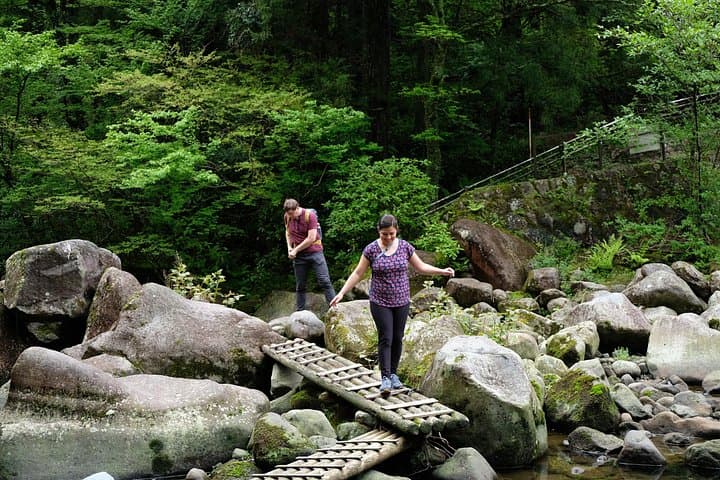
Practical guidance: the trail mixes cobblestone and forest track; tread carefully where stones are rounded and damp. Plan for variable weather—fog can hide Fuji one minute and reveal it the next—and aim to start before late morning for the best light on the lake. The tour includes a certified national mountain guide, and finishes at Lake Ashi where buses and the themed pirate ferry meet departing travelers around early afternoon.
Bring layered clothing, sturdy hiking shoes with good grip, and a small daypack for water and your camera. Expect moderate fitness: some uphill, uneven steps, and short stair sections, but no technical climbing. The combination of history, quiet woods, craft villages, and a lake-side finish makes this half-day route a compact Hakone primer—part nature walk, part cultural snapshot—with the occasional reward of Fuji framed across the water if the weather plays fair.
The total tour lasts about 3–4 hours with roughly 2–3 hours of walking on cobbled and forest trails; a short bus segment skips the steepest section.
Moderately fit children and active older adults can join, but the cobbles and steps require steady footing; those with serious mobility issues should avoid it.
No—Mount Fuji is visible on clear days; morning visibility improves the chances but weather and cloud cover can hide the peak.
Meet at Hakone Yumoto Station exit; the hike finishes at Lake Ashi where you can catch a bus or the pirate-ship ferry onward.
Yes—the tour includes a certified national mountain guide who leads the group and provides historical commentary.
All sales are final, but the operator may cancel for bad weather; check your booking details for substitutions or rescheduling options.
Coconuts Hike Japan operates guided outdoor trips and adventures with an emphasis on safety, stewardship, and memorable experiences.
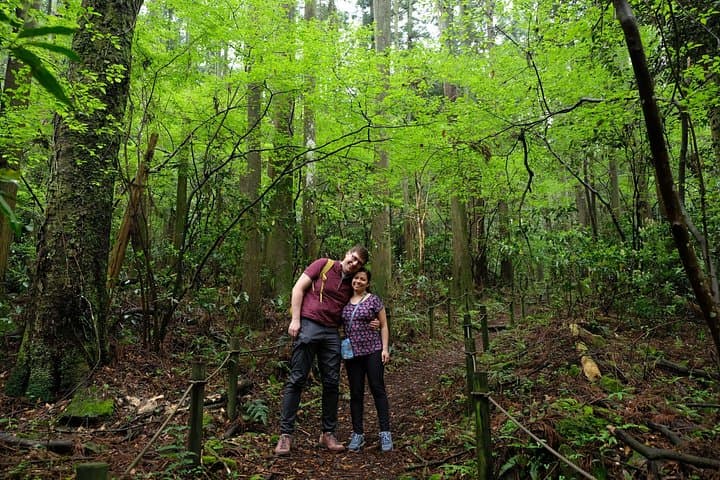
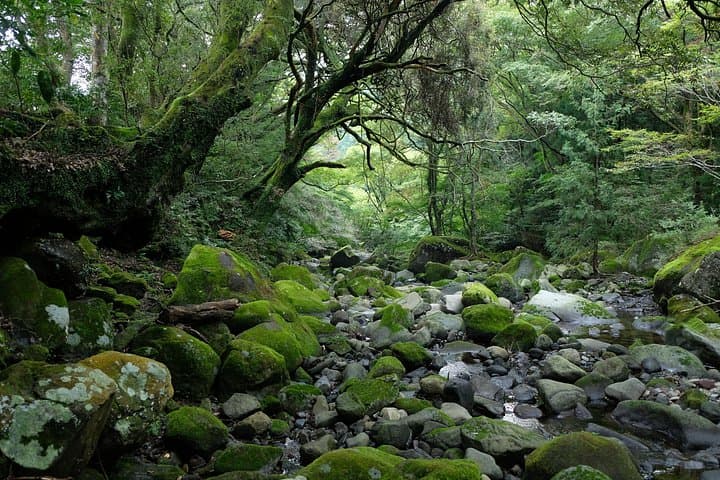
Morning breaks over Hakone Yumoto and the station breathes steam and muted chatter as your guide waits by the exit with a blue backpack and white cap. You step off the pavement and onto the old Tōkaidō; the stones underfoot change from modern sidewalks to centuries-worn cobbles that incline into a quiet stand of beech and cedar. The forest takes over, the trees deliberate and slow, branches shifting like a crowd moving aside. For the next two to three hours you walk a corridor of history—cobbled highway, shaded dirt steps, small shrines tucked against mossy banks—until the land opens toward Lake Ashi and, if the sky allows, a framed view of Mount Fuji.
Morning breaks over Hakone Yumoto and the station breathes steam and muted chatter as your guide waits by the exit with a blue backpack and white cap. You step off the pavement and onto the old Tōkaidō; the stones underfoot change from modern sidewalks to centuries-worn cobbles that incline into a quiet stand of beech and cedar. The forest takes over, the trees deliberate and slow, branches shifting like a crowd moving aside. For the next two to three hours you walk a corridor of history—cobbled highway, shaded dirt steps, small shrines tucked against mossy banks—until the land opens toward Lake Ashi and, if the sky allows, a framed view of Mount Fuji.
The Hachiri route is part of the Tōkaidō, the coastal road that linked Edo (Tokyo) and Kyoto during the Edo period. Hakone’s role as a checkpoint and customs stop made it strategic—travelers passed through, tolls were taken, laws enforced—and the stone pavements you cross were built to withstand heavy foot and horse traffic. Geologically, Hakone sits on a volcanic complex; the soils are volcanic pumice and ash, which feed the dense, humidity-loving forests and create the well-draining trails hikers appreciate.
Culturally, the hike threads through pockets of living craft. About an hour in you come to Hatajuku, a woodcraft village where local artisans still shape boxes and lacquerware using techniques refined over generations. The teahouse you visit—claimed to be four centuries old—serves amasake, a sweet fermented rice drink that feels like a reset mid-hike. The guide’s narration makes Hakone tangible: checkpoint stories, local livelihoods, and the practical logic behind the bus that bypasses the steepest climb to preserve energy for views.
Practical guidance: the trail mixes cobblestone and forest track; tread carefully where stones are rounded and damp. Plan for variable weather—fog can hide Fuji one minute and reveal it the next—and aim to start before late morning for the best light on the lake. The tour includes a certified national mountain guide, and finishes at Lake Ashi where buses and the themed pirate ferry meet departing travelers around early afternoon.
Bring layered clothing, sturdy hiking shoes with good grip, and a small daypack for water and your camera. Expect moderate fitness: some uphill, uneven steps, and short stair sections, but no technical climbing. The combination of history, quiet woods, craft villages, and a lake-side finish makes this half-day route a compact Hakone primer—part nature walk, part cultural snapshot—with the occasional reward of Fuji framed across the water if the weather plays fair.