THE ADVENTURE COLLECTIVE® · Independent discovery and booking for outdoor travel

A compact, private half-day tour that pairs Hanoi’s Train Street thrill with colonial architecture, ancient pagodas, and the bustling Old Quarter. Ideal for visitors short on time who want an efficient, local-led orientation to the city.
A compact, private half-day tour that pairs Hanoi’s Train Street thrill with colonial architecture, ancient pagodas, and the bustling Old Quarter. Ideal for visitors short on time who want an efficient, local-led orientation to the city.
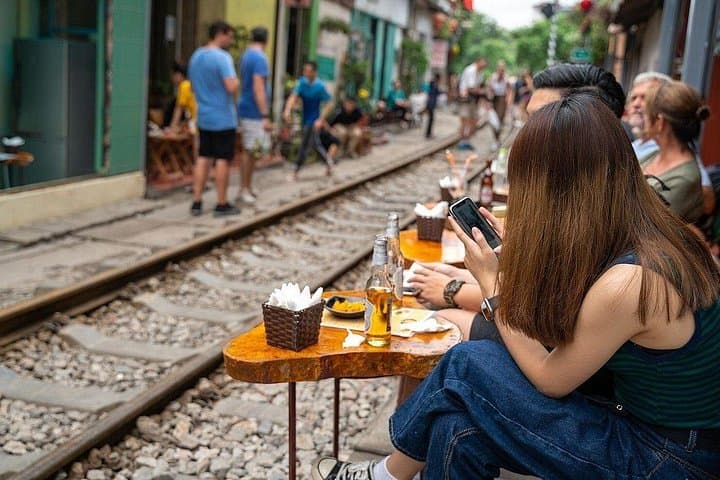
You step from an air-conditioned car into the clatter of Hanoi’s Old Quarter: scooters thread like shoelaces, vendors call softly, and the scent of roasted coffee presses into the morning. A narrow slice of track — Train Street — waits a few blocks away, where neighbors fold their lives back from the rails as a train dares its way through, inches from cafe tables.
Verified experiences and guided adventures in the surrounding area.
Operated by Mekong Tourist · Hanoi, Hanoi
You step from an air-conditioned car into the clatter of Hanoi’s Old Quarter: scooters thread like shoelaces, vendors call softly, and the scent of roasted coffee presses into the morning. A narrow slice of track — Train Street — waits a few blocks away, where neighbors fold their lives back from the rails as a train dares its way through, inches from cafe tables.
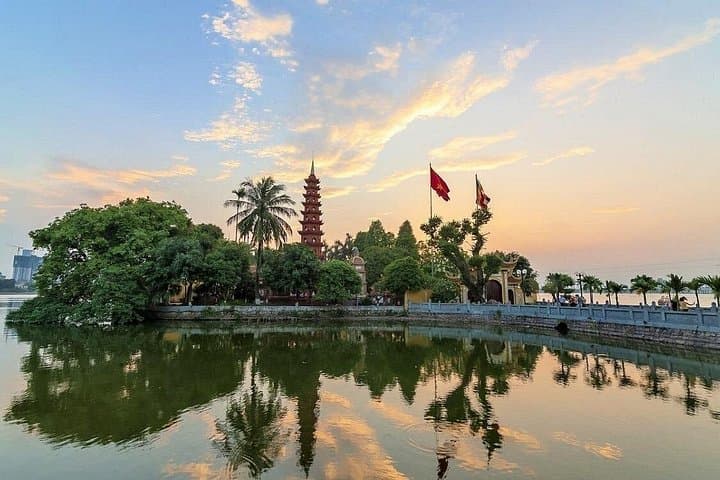
This half-day route stitches together Hanoi’s layered past. Tran Quoc Pagoda dates back over 1,500 years to early Vietnamese Buddhism; French colonial architecture like St. Joseph’s Cathedral and the Hanoi Opera House mark the city’s turn-of-the-century makeover; Hoa Lo Prison and the Ho Chi Minh Mausoleum tell sharper stories from the 20th century. Geologically, Hanoi sits on the Red River’s alluvial plain, a slow, silt-laden waterway that shaped trade and neighborhoods like Long Bien Bridge.
Culturally the city moves at two rhythms: the deliberate calm of temples and lakes, and the fast, improvisational energy of markets and craft streets. Dong Xuan Market and craft alleys are where the city’s commerce and daily life meet — expect bargaining, close quarters, and rich street food.
Practical guidance: plan early to avoid the heaviest crowds at Train Street and Hoan Kiem Lake; the Mausoleum often has long queues so this tour views it from the outside. Wear comfortable walking shoes, bring cash for small purchases, and dress respectfully for pagodas. Your guide will manage timing in an efficient loop — you’ll cover several dense, pedestrian-friendly areas in about 4–5 hours, best for travelers who want a compact, local-first orientation to Hanoi.
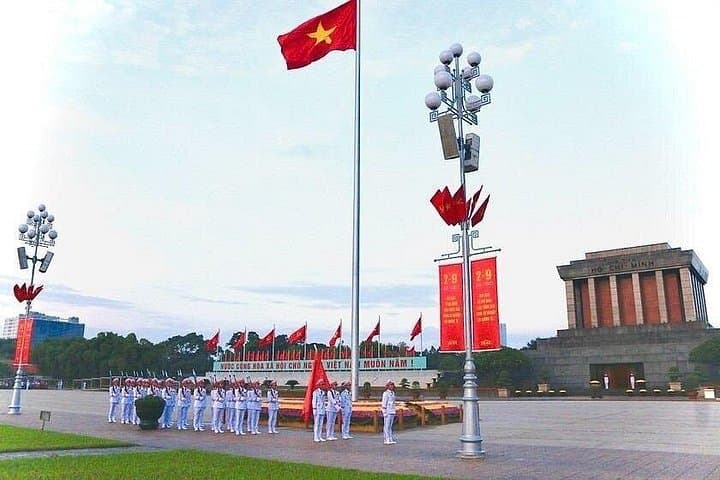
This tour includes an exterior visit and historical briefing; entering the Mausoleum is not included because queues can exceed an hour and require strict dress codes.
Early morning and late afternoon are best to experience Train Street with fewer tourists and softer light; your guide will time the stop to coincide with a scheduled train when possible.
Entrance fees are listed as included in the tour inclusions, but bring small cash for any optional entry or unexpected charges.
The tour is rated easy and family-friendly, but narrow sidewalks, crowding, and some stairs can be challenging for limited mobility; notify the operator when booking for accommodations.
Mekong Tourist operates guided outdoor trips and adventures with an emphasis on safety, stewardship, and memorable experiences.

You step from an air-conditioned car into the clatter of Hanoi’s Old Quarter: scooters thread like shoelaces, vendors call softly, and the scent of roasted coffee presses into the morning. A narrow slice of track — Train Street — waits a few blocks away, where neighbors fold their lives back from the rails as a train dares its way through, inches from cafe tables.
You step from an air-conditioned car into the clatter of Hanoi’s Old Quarter: scooters thread like shoelaces, vendors call softly, and the scent of roasted coffee presses into the morning. A narrow slice of track — Train Street — waits a few blocks away, where neighbors fold their lives back from the rails as a train dares its way through, inches from cafe tables.
This half-day route stitches together Hanoi’s layered past. Tran Quoc Pagoda dates back over 1,500 years to early Vietnamese Buddhism; French colonial architecture like St. Joseph’s Cathedral and the Hanoi Opera House mark the city’s turn-of-the-century makeover; Hoa Lo Prison and the Ho Chi Minh Mausoleum tell sharper stories from the 20th century. Geologically, Hanoi sits on the Red River’s alluvial plain, a slow, silt-laden waterway that shaped trade and neighborhoods like Long Bien Bridge.
Culturally the city moves at two rhythms: the deliberate calm of temples and lakes, and the fast, improvisational energy of markets and craft streets. Dong Xuan Market and craft alleys are where the city’s commerce and daily life meet — expect bargaining, close quarters, and rich street food.
Practical guidance: plan early to avoid the heaviest crowds at Train Street and Hoan Kiem Lake; the Mausoleum often has long queues so this tour views it from the outside. Wear comfortable walking shoes, bring cash for small purchases, and dress respectfully for pagodas. Your guide will manage timing in an efficient loop — you’ll cover several dense, pedestrian-friendly areas in about 4–5 hours, best for travelers who want a compact, local-first orientation to Hanoi.