THE ADVENTURE COLLECTIVE® · Independent discovery and booking for outdoor travel

Trade Amalfi’s seaside shimmer for the cool hush of Valle delle Ferriere. This half‑day guided walk follows the Canneto stream past thousand‑year‑old paper mill ruins, lemon terraces and waterfalls inside a protected nature reserve.
Trade Amalfi’s seaside shimmer for the cool hush of Valle delle Ferriere. This half‑day guided walk follows the Canneto stream past thousand‑year‑old paper mill ruins, lemon terraces and waterfalls inside a protected nature reserve.
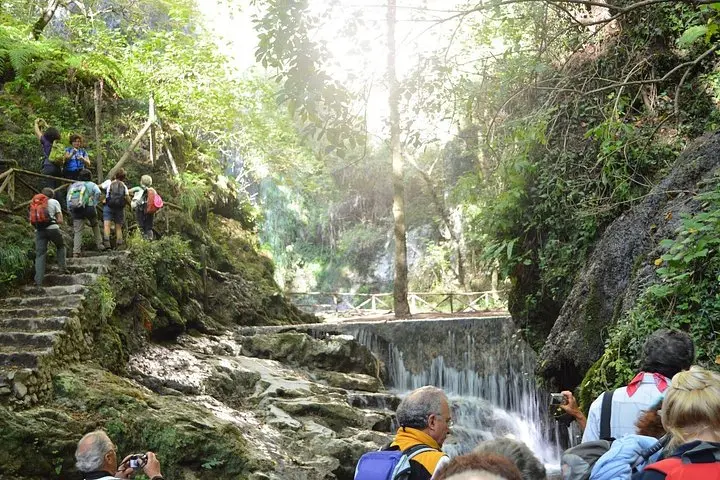
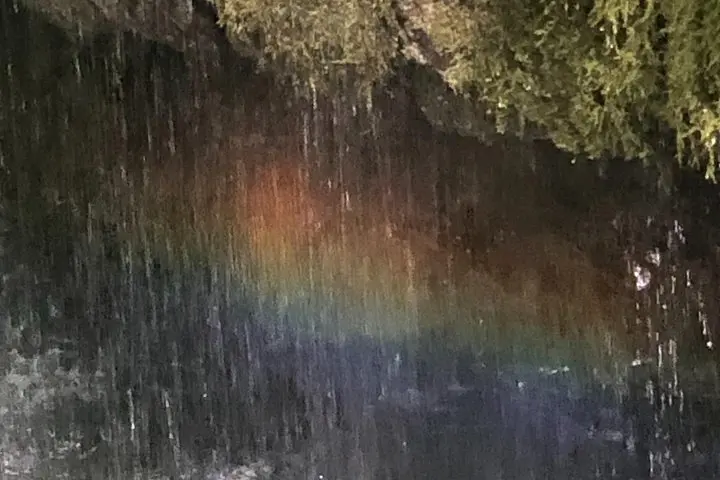
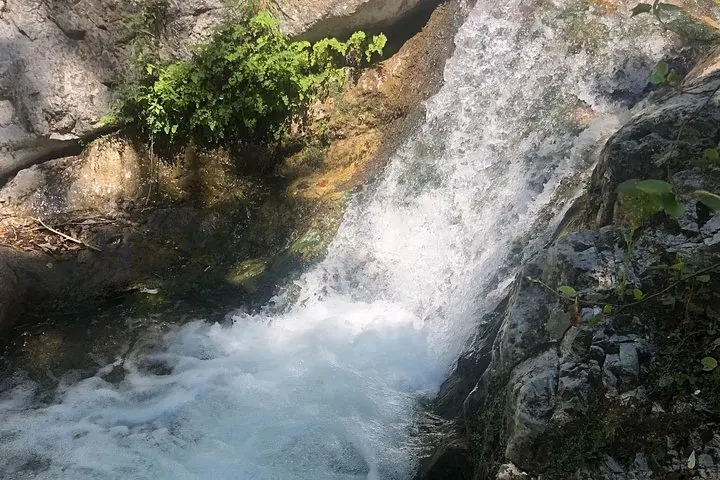
You step away from Amalfi’s seaside bustle and the town’s cobbled alleys give way to a narrow stone stair that descends toward the mouth of the Canneto. The sound changes first: gulls fade, water gardens in. A cool, fern-lined gorge breathes out mist and the path threads between ancient walls where once the mills of Amalfi ground coastal wealth into paper. For the next five hours you’ll be moving through a landscape that insists on being noticed — waterfalls daring you closer, lemon terraces reclining on the slope, and the hush of a protected forest that feels older than the town above.
Verified experiences and guided adventures in the surrounding area.
Operated by Gennaro Amalfi Trekking · Amalfi, Campania
You step away from Amalfi’s seaside bustle and the town’s cobbled alleys give way to a narrow stone stair that descends toward the mouth of the Canneto. The sound changes first: gulls fade, water gardens in. A cool, fern-lined gorge breathes out mist and the path threads between ancient walls where once the mills of Amalfi ground coastal wealth into paper. For the next five hours you’ll be moving through a landscape that insists on being noticed — waterfalls daring you closer, lemon terraces reclining on the slope, and the hush of a protected forest that feels older than the town above.
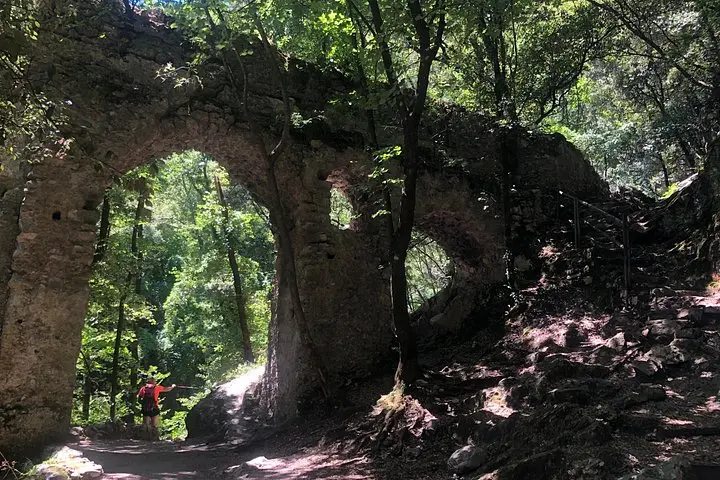
Valle delle Ferriere is a small but distinct microclimate carved by the Canneto stream and defined by karst limestone, fractured cliffs and seepage springs. Human history here is visible: ruins of medieval paper mills — part of Amalfi’s economic heft during the Maritime Republic era — sit beside citrus gardens where the sfusato lemon variety thrives. The valley became an Oriented Nature Reserve in the late 20th century to protect its rare humid forest and endemic plants, a green pocket where moisture-loving ferns and orchids find refuge.
Culturally the hike is intimate. Guides from Amalfi often braid local lore into the route — who tended the lemon groves, how paper from these mills supplied notaries and merchants across the Mediterranean, and which families still maintain small terraces. You’ll pass through Pontone’s quieter lanes and meet people who still collect chestnuts or manage small-scale lemon trees that climb the slope in stacked stone beds.
Practical guide: the tour runs about five hours round-trip from Amalfi center, roughly 6–8 km with approximately 300–400 m of cumulative elevation gain depending on side routes. Terrain alternates between steep stone stairways, compact dirt trails, and sections of slippery rock near cascade zones; trekking poles and good traction are worthwhile. There are no formal refreshment stations along the reserve — carry at least 1.5 liters of water per person and a light packed lunch if you plan to linger at the falls.
Timings matter: mornings are the coolest and the light in the gorge is best for photographing cascades without harsh shadows. Summer brings dense foliage and relief from coastal heat but can make some rock sections slick; spring and fall show the valley at its fullest bloom. Respect the reserve: stay on marked trails, avoid trampling undergrowth and take any litter out with you.
Whether you come for the waterfalls, the slow cultural storytelling, or the chance to stand by centuries-old paper mill ruins, Valle delle Ferriere offers a concentrated, walkable slice of Amalfi that rewards attention and steady feet.
The guided outing is roughly 6–8 km round trip and takes about 4–5 hours including stops at viewpoints and the waterfalls.
The route is family‑friendly for older children used to hiking and for active older adults, but stone steps and uneven sections may be challenging for those with limited mobility.
No facilities are available inside the reserve; use Amalfi’s services before departure and pack snacks and water.
Yes — the path runs through the ruins; please observe signs and avoid entering unsafe structures.
Sections near cascades become slippery after rain; consider postponing in heavy rain and wear shoes with good grip if trails are damp.
No separate permit is required for visitors on guided tours, but the reserve is protected and visitors must respect trail rules.
Gennaro Amalfi Trekking operates guided outdoor trips and adventures with an emphasis on safety, stewardship, and memorable experiences.
You step away from Amalfi’s seaside bustle and the town’s cobbled alleys give way to a narrow stone stair that descends toward the mouth of the Canneto. The sound changes first: gulls fade, water gardens in. A cool, fern-lined gorge breathes out mist and the path threads between ancient walls where once the mills of Amalfi ground coastal wealth into paper. For the next five hours you’ll be moving through a landscape that insists on being noticed — waterfalls daring you closer, lemon terraces reclining on the slope, and the hush of a protected forest that feels older than the town above.
You step away from Amalfi’s seaside bustle and the town’s cobbled alleys give way to a narrow stone stair that descends toward the mouth of the Canneto. The sound changes first: gulls fade, water gardens in. A cool, fern-lined gorge breathes out mist and the path threads between ancient walls where once the mills of Amalfi ground coastal wealth into paper. For the next five hours you’ll be moving through a landscape that insists on being noticed — waterfalls daring you closer, lemon terraces reclining on the slope, and the hush of a protected forest that feels older than the town above.
Valle delle Ferriere is a small but distinct microclimate carved by the Canneto stream and defined by karst limestone, fractured cliffs and seepage springs. Human history here is visible: ruins of medieval paper mills — part of Amalfi’s economic heft during the Maritime Republic era — sit beside citrus gardens where the sfusato lemon variety thrives. The valley became an Oriented Nature Reserve in the late 20th century to protect its rare humid forest and endemic plants, a green pocket where moisture-loving ferns and orchids find refuge.
Culturally the hike is intimate. Guides from Amalfi often braid local lore into the route — who tended the lemon groves, how paper from these mills supplied notaries and merchants across the Mediterranean, and which families still maintain small terraces. You’ll pass through Pontone’s quieter lanes and meet people who still collect chestnuts or manage small-scale lemon trees that climb the slope in stacked stone beds.
Practical guide: the tour runs about five hours round-trip from Amalfi center, roughly 6–8 km with approximately 300–400 m of cumulative elevation gain depending on side routes. Terrain alternates between steep stone stairways, compact dirt trails, and sections of slippery rock near cascade zones; trekking poles and good traction are worthwhile. There are no formal refreshment stations along the reserve — carry at least 1.5 liters of water per person and a light packed lunch if you plan to linger at the falls.
Timings matter: mornings are the coolest and the light in the gorge is best for photographing cascades without harsh shadows. Summer brings dense foliage and relief from coastal heat but can make some rock sections slick; spring and fall show the valley at its fullest bloom. Respect the reserve: stay on marked trails, avoid trampling undergrowth and take any litter out with you.
Whether you come for the waterfalls, the slow cultural storytelling, or the chance to stand by centuries-old paper mill ruins, Valle delle Ferriere offers a concentrated, walkable slice of Amalfi that rewards attention and steady feet.