THE ADVENTURE COLLECTIVE® · Independent discovery and booking for outdoor travel

Beat the crowds and summit Mt. Takao in a single morning. This three-hour private hike combines a historic temple visit, forest trails, and summit views—returning you to Shinjuku by noon.
Beat the crowds and summit Mt. Takao in a single morning. This three-hour private hike combines a historic temple visit, forest trails, and summit views—returning you to Shinjuku by noon.
A cool, damp wind threads through cedar trunks as you step off the train at Takaosanguchi Station and feel the mountain pull you upward. Morning light cuts between branches, and the path—stone steps, dirt tread, wooden boardwalk—unfurls toward the small temple complex that crowns Mt. Takao. In three hours you’ll move from urban Tokyo to a forest that still argues with the city skyline.
Verified experiences and guided adventures in the surrounding area.
Operated by Shota · Hachioji, Tokyo
A cool, damp wind threads through cedar trunks as you step off the train at Takaosanguchi Station and feel the mountain pull you upward. Morning light cuts between branches, and the path—stone steps, dirt tread, wooden boardwalk—unfurls toward the small temple complex that crowns Mt. Takao. In three hours you’ll move from urban Tokyo to a forest that still argues with the city skyline.
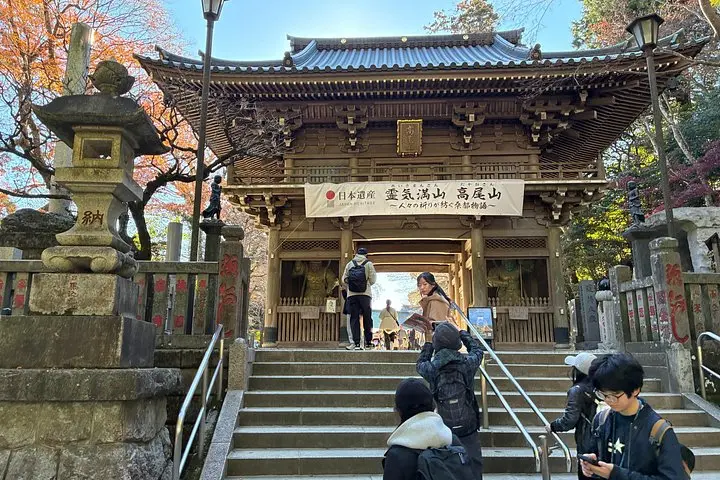
Yakuo-in temple sits midway, a religious focal point with roots in the Nara period; tengu masks and prayer halls mark a thousand years of mountain devotion. Geologically the peak is a low volcanic rise in Tokyo’s western hills, soil-rich and well-forested, with streams that quicken in rainy seasons. Local culture blends pilgrimage, weekend hiking and seasonal festivals; vendors near the trailhead sell grilled fish and soba to refuel passing travelers.
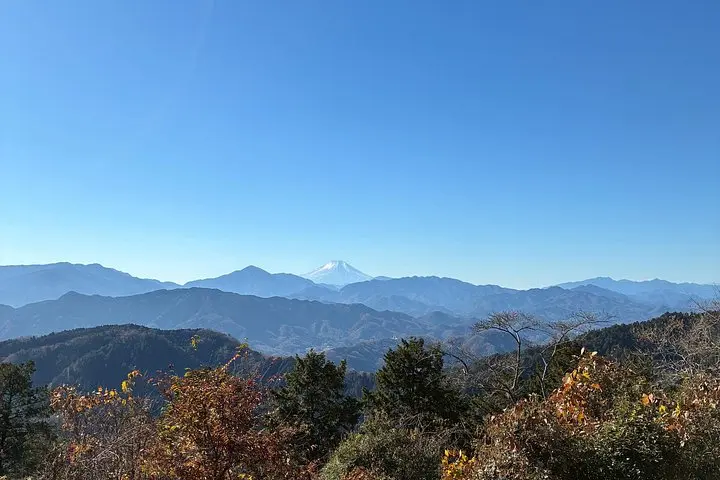
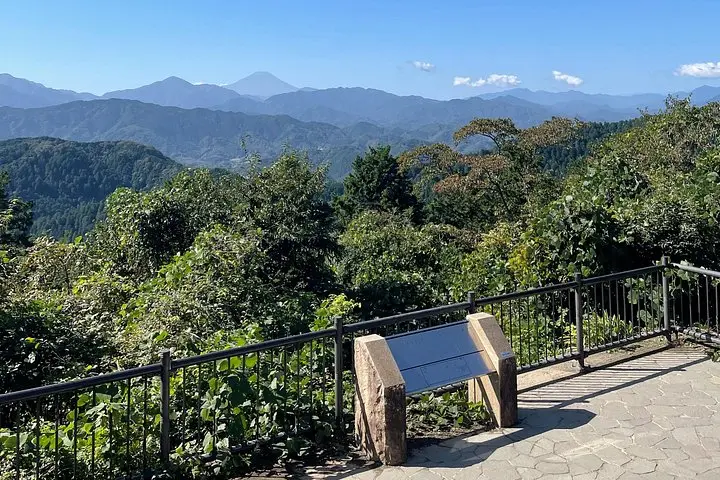
Practicality governs this outing: the route is short and well-marked, summit elevation is roughly 599 m, and most groups use the cable car or chairlift to shorten the climb. On clear mornings Mt. Fuji punctuates the horizon; on misty days the cedar grove closes in and the forest asks you to slow down. Expect packed steps, intermittent viewpoints, and a moderate pulse climb unless you take mechanical lift options.
Plan for early trains to beat crowds, bring layered clothing for sudden wind and drizzle, and leave time to catch the return train to Shinjuku—this itinerary is engineered to return you to the city by midday, refreshed and ready for the afternoon.
The tour notes cable car or chairlift options as part of the itinerary—confirm inclusion with the operator at booking.
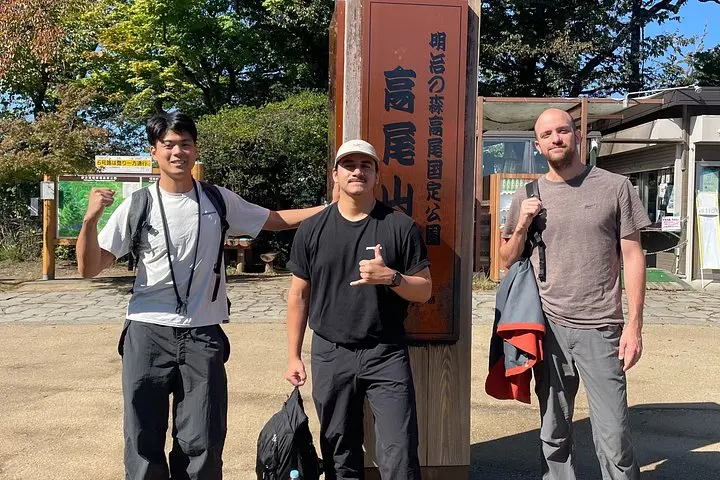
Typical meeting point is Takaosanguchi Station; the guide will confirm exact location and time in advance.
Yes—this half-day route is suitable for most fitness levels and offers lift options to shorten the ascent.
Yes on clear mornings; visibility depends on weather and air quality—early starts improve the odds.
Shota operates guided outdoor trips and adventures with an emphasis on safety, stewardship, and memorable experiences.
A cool, damp wind threads through cedar trunks as you step off the train at Takaosanguchi Station and feel the mountain pull you upward. Morning light cuts between branches, and the path—stone steps, dirt tread, wooden boardwalk—unfurls toward the small temple complex that crowns Mt. Takao. In three hours you’ll move from urban Tokyo to a forest that still argues with the city skyline.
A cool, damp wind threads through cedar trunks as you step off the train at Takaosanguchi Station and feel the mountain pull you upward. Morning light cuts between branches, and the path—stone steps, dirt tread, wooden boardwalk—unfurls toward the small temple complex that crowns Mt. Takao. In three hours you’ll move from urban Tokyo to a forest that still argues with the city skyline.
Yakuo-in temple sits midway, a religious focal point with roots in the Nara period; tengu masks and prayer halls mark a thousand years of mountain devotion. Geologically the peak is a low volcanic rise in Tokyo’s western hills, soil-rich and well-forested, with streams that quicken in rainy seasons. Local culture blends pilgrimage, weekend hiking and seasonal festivals; vendors near the trailhead sell grilled fish and soba to refuel passing travelers.
Practicality governs this outing: the route is short and well-marked, summit elevation is roughly 599 m, and most groups use the cable car or chairlift to shorten the climb. On clear mornings Mt. Fuji punctuates the horizon; on misty days the cedar grove closes in and the forest asks you to slow down. Expect packed steps, intermittent viewpoints, and a moderate pulse climb unless you take mechanical lift options.
Plan for early trains to beat crowds, bring layered clothing for sudden wind and drizzle, and leave time to catch the return train to Shinjuku—this itinerary is engineered to return you to the city by midday, refreshed and ready for the afternoon.