THE ADVENTURE COLLECTIVE® · Independent discovery and booking for outdoor travel

A brisk half-day climb above Santiago, Manquehue Hill delivers wide Andes panoramas and a compact, accessible trail. This private hike includes hotel transfer, a guide, trekking poles and a boxed lunch—perfect for a morning escape into the pre-Andes.
A brisk half-day climb above Santiago, Manquehue Hill delivers wide Andes panoramas and a compact, accessible trail. This private hike includes hotel transfer, a guide, trekking poles and a boxed lunch—perfect for a morning escape into the pre-Andes.
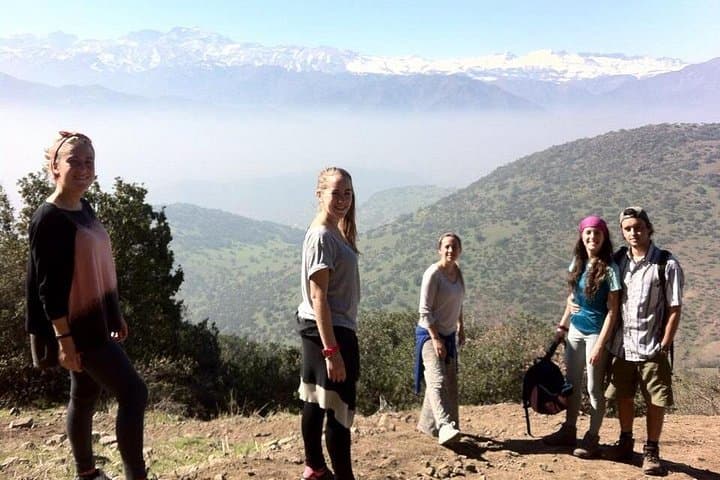
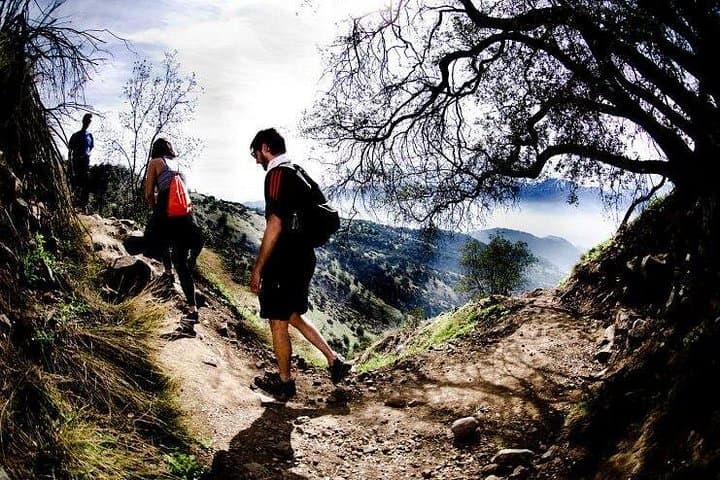
You step out of the transfer and the city noise thins to the rustle of scrub and the distant hum of traffic below; the trail rises underfoot, sun cutting through acacia and matorral. Manquehue — from Mapudungun meaning “place of condors” — invites a steady climb: stepped dirt, loose rock and open switchbacks that lead to a wide summit plateau.
Verified experiences and guided adventures in the surrounding area.
Operated by HikeChile · Santiago, Santiago Metropolitan Region
You step out of the transfer and the city noise thins to the rustle of scrub and the distant hum of traffic below; the trail rises underfoot, sun cutting through acacia and matorral. Manquehue — from Mapudungun meaning “place of condors” — invites a steady climb: stepped dirt, loose rock and open switchbacks that lead to a wide summit plateau.
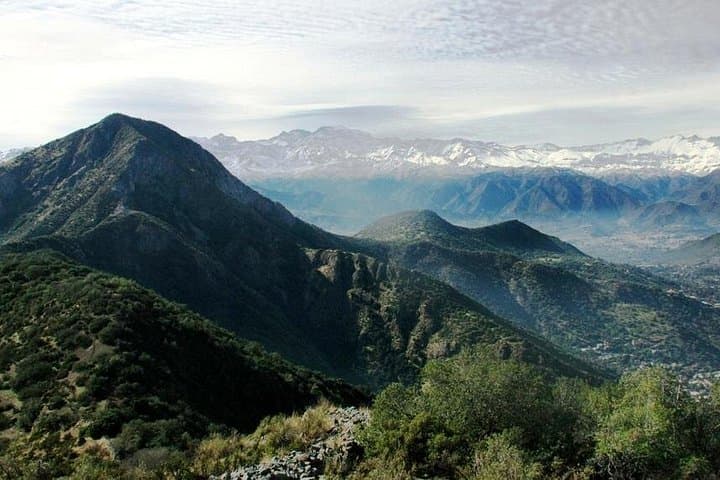
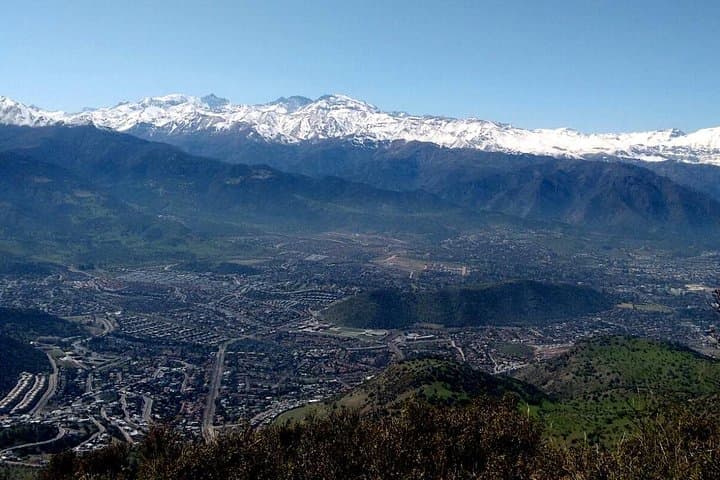
This pre-Andean ridge is a geological lip between the Santiago basin and the high Andes, made of older metamorphic rocks worn into ridgelines. From the top, the city fans below while snow-capped volcanoes and 6,000 m peaks puncture the horizon on clear days. The hill has long been a local weekend escape; nearby neighborhoods and football stadiums appear in gridlike contrast to the wild, stubbled slopes.
Expect about 1.5–3 km of uphill hiking taking roughly 60–90 minutes one-way on a typical half-day outing, with roughly 300–500 m of elevation gain on well-marked paths. Guides commonly provide trekking poles, a boxed lunch, and hotel transfer; you’ll spend 20–30 minutes at the summit soaking in the view before descending.
Practical tips: wear sturdy hiking shoes, carry at least 1.5 L of water, use sunscreen and a hat, and layer for wind at the ridge. Condors are possible but uncommon; binoculars improve sightings. The walk is accessible to most active travelers, but those with cardiovascular concerns should consult a physician. Morning departures give crisper air and clearer visibility; afternoon thermals can kick up dust and wind. This is a compact, high-reward hike that pairs urban convenience with Andean panoramas.
The guided outing is a half-day total: about 60–90 minutes of hiking one-way on a well-marked pre-Andean trail with roughly 300–500 m of elevation gain—rated easy for fit walkers.
Yes, private round-trip transfer from a central Santiago hotel or meeting point is included in the service.
Condors are occasionally seen from Manquehue but sightings depend on weather and season; bring binoculars for the best chance.
Wear sturdy shoes, bring 1.5 L of water, sun protection, a small daypack, and a light wind layer—guides typically supply trekking poles and a boxed lunch.
HikeChile operates guided outdoor trips and adventures with an emphasis on safety, stewardship, and memorable experiences.
You step out of the transfer and the city noise thins to the rustle of scrub and the distant hum of traffic below; the trail rises underfoot, sun cutting through acacia and matorral. Manquehue — from Mapudungun meaning “place of condors” — invites a steady climb: stepped dirt, loose rock and open switchbacks that lead to a wide summit plateau.
You step out of the transfer and the city noise thins to the rustle of scrub and the distant hum of traffic below; the trail rises underfoot, sun cutting through acacia and matorral. Manquehue — from Mapudungun meaning “place of condors” — invites a steady climb: stepped dirt, loose rock and open switchbacks that lead to a wide summit plateau.
This pre-Andean ridge is a geological lip between the Santiago basin and the high Andes, made of older metamorphic rocks worn into ridgelines. From the top, the city fans below while snow-capped volcanoes and 6,000 m peaks puncture the horizon on clear days. The hill has long been a local weekend escape; nearby neighborhoods and football stadiums appear in gridlike contrast to the wild, stubbled slopes.
Expect about 1.5–3 km of uphill hiking taking roughly 60–90 minutes one-way on a typical half-day outing, with roughly 300–500 m of elevation gain on well-marked paths. Guides commonly provide trekking poles, a boxed lunch, and hotel transfer; you’ll spend 20–30 minutes at the summit soaking in the view before descending.
Practical tips: wear sturdy hiking shoes, carry at least 1.5 L of water, use sunscreen and a hat, and layer for wind at the ridge. Condors are possible but uncommon; binoculars improve sightings. The walk is accessible to most active travelers, but those with cardiovascular concerns should consult a physician. Morning departures give crisper air and clearer visibility; afternoon thermals can kick up dust and wind. This is a compact, high-reward hike that pairs urban convenience with Andean panoramas.