THE ADVENTURE COLLECTIVE® · Independent discovery and booking for outdoor travel

Explore Himeji Castle’s original keeps and the carefully composed ponds of Koko-en on a three-hour guided visit. Learn defensive architecture, Edo-period garden design, and best viewing spots while getting practical tips for timing and footwork.
Explore Himeji Castle’s original keeps and the carefully composed ponds of Koko-en on a three-hour guided visit. Learn defensive architecture, Edo-period garden design, and best viewing spots while getting practical tips for timing and footwork.
Stand beneath a bright white keep that rises like a purpose-built poem against the sky; the air carries the faint metallic smell of centuries-old wood and the soft slap of koi tails in garden ponds. This half-day tour moves steadily from the defensive corridors of Himeji Castle to the calm, ordered rooms of Koko-en Garden, a compact lesson in Japan’s samurai-era architecture and Edo-period landscaping.
Verified experiences and guided adventures in the surrounding area.
Operated by 888tour · Himeji, Hyōgo Prefecture
Stand beneath a bright white keep that rises like a purpose-built poem against the sky; the air carries the faint metallic smell of centuries-old wood and the soft slap of koi tails in garden ponds. This half-day tour moves steadily from the defensive corridors of Himeji Castle to the calm, ordered rooms of Koko-en Garden, a compact lesson in Japan’s samurai-era architecture and Edo-period landscaping.
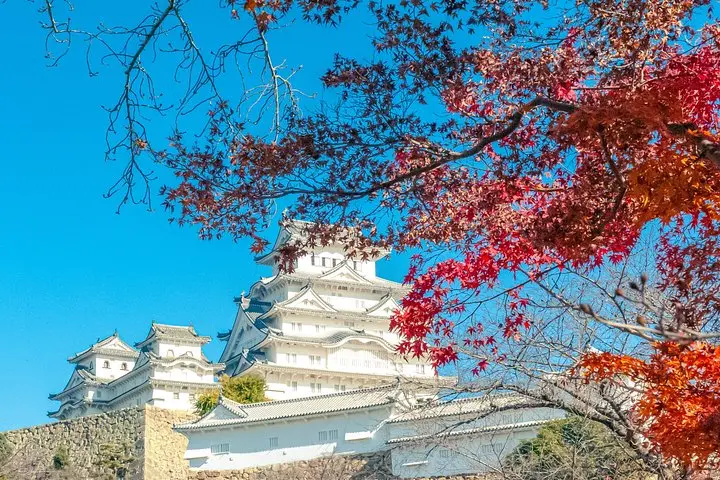
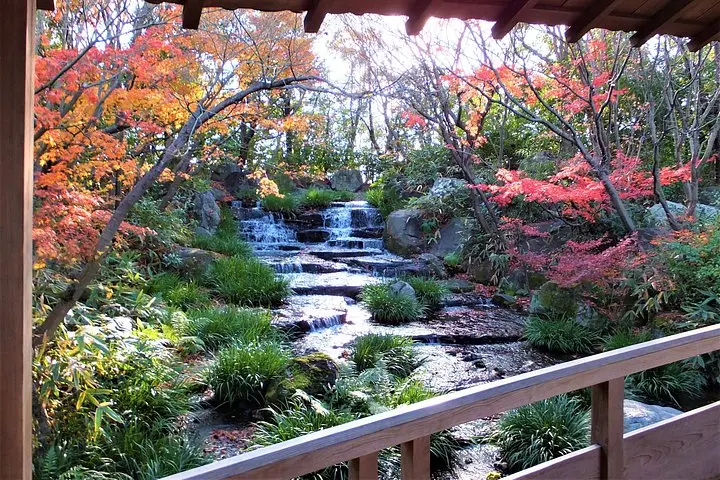
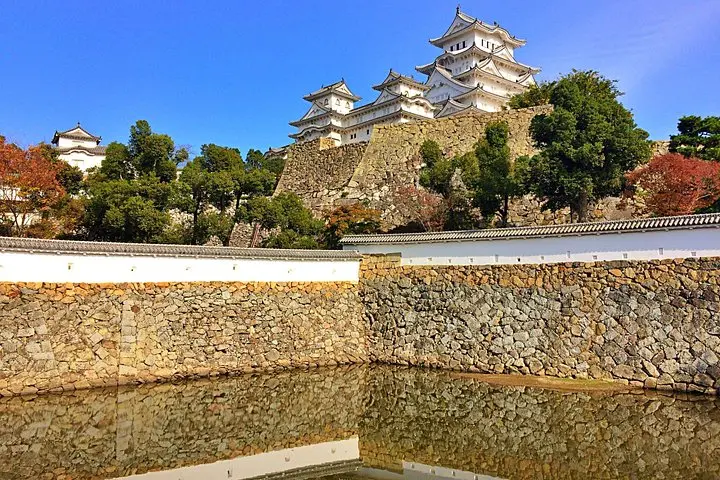
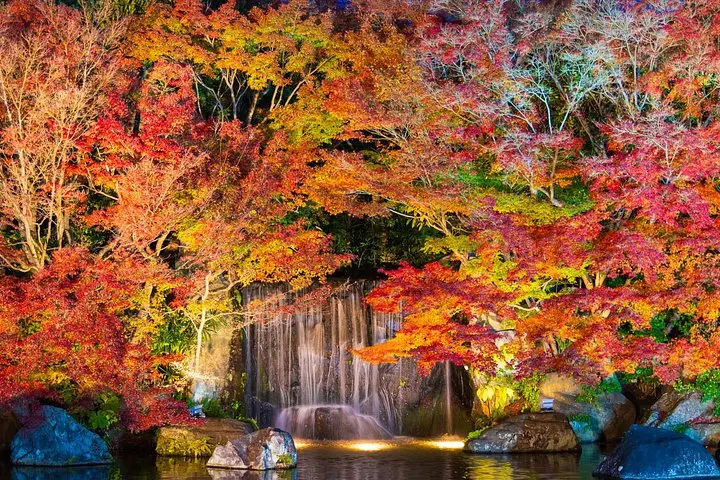
Himeji Castle, completed in its modern form in the early 1600s, survived earthquakes, fires, and war—its surviving structures offering rare, original examples of castle construction and strategic design. The castle’s white plastered walls and layered roofs are both aesthetic and defensive; winding approach paths and angled gates reveal why it earned the nickname “White Heron.” Koko-en, created in 1992 on castle grounds, recreates nine garden styles—tea garden, bamboo, pond gardens—framed to highlight seasonal blooms and the castle silhouette beyond.
Expect 3 hours of mostly flat walking with some steps inside the keep and boardwalks in the garden. A local guide will anchor history and point out architectural defenses, carp ponds, and seasonal plantings. Visit in the morning for softer light on the main keep and quieter pathways, or late afternoon when the stonework warms in the sun.
Practical notes: bring comfortable walking shoes, a light rain layer in rainy season, and a camera with a small zoom for details and distant views. The tour covers admissions; wear modest clothing for temple-adjacent spaces and carry cash for small souvenirs and snacks in nearby streets.
The tour runs about three hours and includes admission to Himeji Castle and Koko-en Garden.
Yes; the route is mostly accessible with some stairs inside the keep—staff can advise on areas that are less suitable for limited mobility.
Yes, admission to both Himeji Castle and Koko-en Garden is included in the tour price.
Guides typically provide commentary in the language listed at booking; check the tour details for available language options.
888tour operates guided outdoor trips and adventures with an emphasis on safety, stewardship, and memorable experiences.
Stand beneath a bright white keep that rises like a purpose-built poem against the sky; the air carries the faint metallic smell of centuries-old wood and the soft slap of koi tails in garden ponds. This half-day tour moves steadily from the defensive corridors of Himeji Castle to the calm, ordered rooms of Koko-en Garden, a compact lesson in Japan’s samurai-era architecture and Edo-period landscaping.
Stand beneath a bright white keep that rises like a purpose-built poem against the sky; the air carries the faint metallic smell of centuries-old wood and the soft slap of koi tails in garden ponds. This half-day tour moves steadily from the defensive corridors of Himeji Castle to the calm, ordered rooms of Koko-en Garden, a compact lesson in Japan’s samurai-era architecture and Edo-period landscaping.
Himeji Castle, completed in its modern form in the early 1600s, survived earthquakes, fires, and war—its surviving structures offering rare, original examples of castle construction and strategic design. The castle’s white plastered walls and layered roofs are both aesthetic and defensive; winding approach paths and angled gates reveal why it earned the nickname “White Heron.” Koko-en, created in 1992 on castle grounds, recreates nine garden styles—tea garden, bamboo, pond gardens—framed to highlight seasonal blooms and the castle silhouette beyond.
Expect 3 hours of mostly flat walking with some steps inside the keep and boardwalks in the garden. A local guide will anchor history and point out architectural defenses, carp ponds, and seasonal plantings. Visit in the morning for softer light on the main keep and quieter pathways, or late afternoon when the stonework warms in the sun.
Practical notes: bring comfortable walking shoes, a light rain layer in rainy season, and a camera with a small zoom for details and distant views. The tour covers admissions; wear modest clothing for temple-adjacent spaces and carry cash for small souvenirs and snacks in nearby streets.