THE ADVENTURE COLLECTIVE® · Independent discovery and booking for outdoor travel

Glide the St. Lucia Estuary for close-up encounters with hippos, Nile crocodiles and coastal birds on a guided half-day boat cruise from Richards Bay. Expect intimate wildlife viewing, knowledgeable commentary, and prime photo opportunities across roughly 8 km of estuarine water.
Glide the St. Lucia Estuary for close-up encounters with hippos, Nile crocodiles and coastal birds on a guided half-day boat cruise from Richards Bay. Expect intimate wildlife viewing, knowledgeable commentary, and prime photo opportunities across roughly 8 km of estuarine water.
Morning mist lifts off the St. Lucia Estuary as the boat slips away from the reeds; hippos ripple the surface with yawns and crocodiles slide like dark logs along the banks, watching the day begin. Guides steady the craft and point—fish eagles spiral, kingfishers flash—while the estuary opens into a slow, living corridor that feels older than the road you drove in on.
Verified experiences and guided adventures in the surrounding area.
Operated by Africa Sun Safaris · St Lucia, KwaZulu-Natal
Morning mist lifts off the St. Lucia Estuary as the boat slips away from the reeds; hippos ripple the surface with yawns and crocodiles slide like dark logs along the banks, watching the day begin. Guides steady the craft and point—fish eagles spiral, kingfishers flash—while the estuary opens into a slow, living corridor that feels older than the road you drove in on.
This estuary lies within iSimangaliso Wetland Park, South Africa’s first UNESCO World Heritage Site (1999). Geologically shaped by coastal dunes, river deposits and tidal exchange, the wetland supports large hippo pods, Nile crocodiles and a rich coastal birdlife. The local Zulu communities have long histories of fishing and stewardship here, and guides often weave cultural context into wildlife notes.
Expect roughly 8 km of slow cruising, repeated photographic stops and steady wildlife-focused commentary. The terrain is water and shoreline—no hiking—so mobility-friendly viewing is common. Light shifts quickly on the estuary: shoot in the soft morning and keep lenses ready for fast bird action and low-angle sun on the water.
Practical: bring polarized lenses and binoculars, a hat and layered sun protection, and a waterproof pouch for phones and cameras. Boats are open-sided; mornings can be cool and afternoons humid—plan clothing accordingly. Respect animal-distance guidance from guides: hippos are territorial and crocodiles can be cryptic. The trip is ideal for photographers and first-time safari-goers wanting concentrated wildlife viewing without a long land drive.
The full excursion runs about six hours including transfer from Richards Bay and roughly a 8 km boat cruise on the St. Lucia Estuary.
Sightings are very likely—this estuary supports large populations—but wildlife is never guaranteed; boats are positioned for the best opportunities.
The tour listing indicates wheelchair-accessible transportation and surfaces, though boarding a boat may require assistance—check with the operator ahead of time.
Layered clothing, sun protection, insect repellent, binoculars, a waterproof pouch for electronics and a camera are recommended.
Africa Sun Safaris operates guided outdoor trips and adventures with an emphasis on safety, stewardship, and memorable experiences.
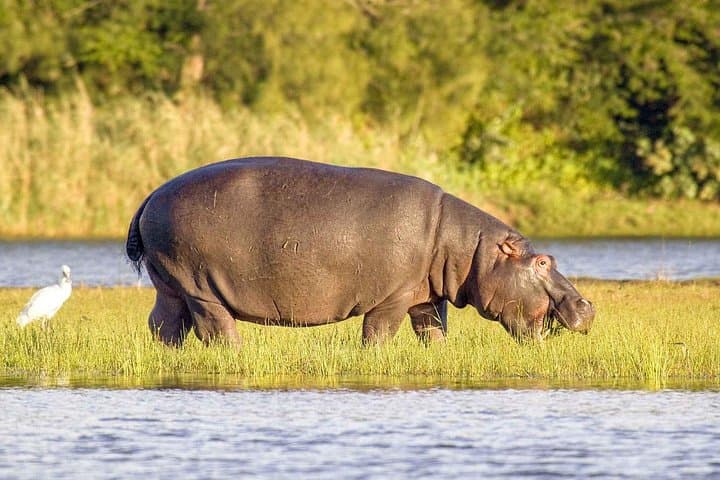
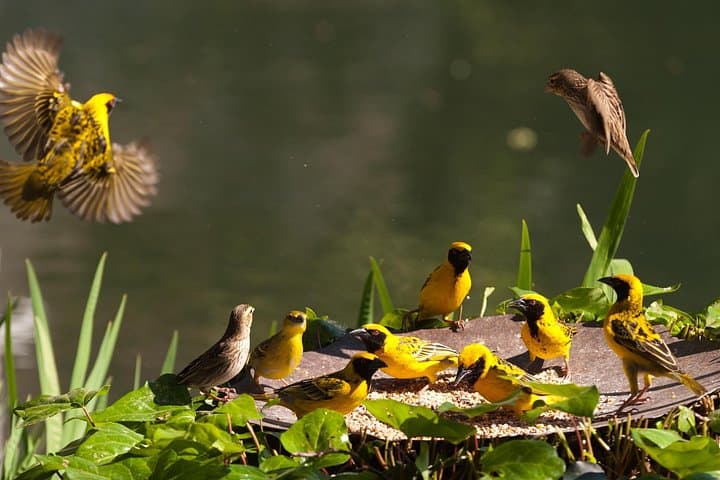
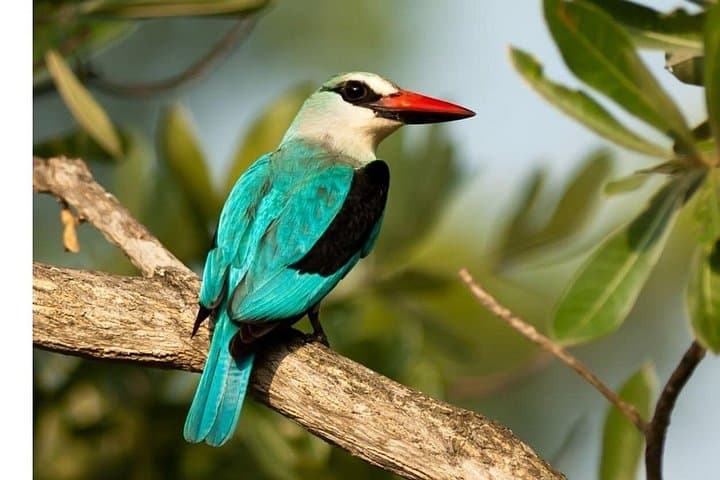
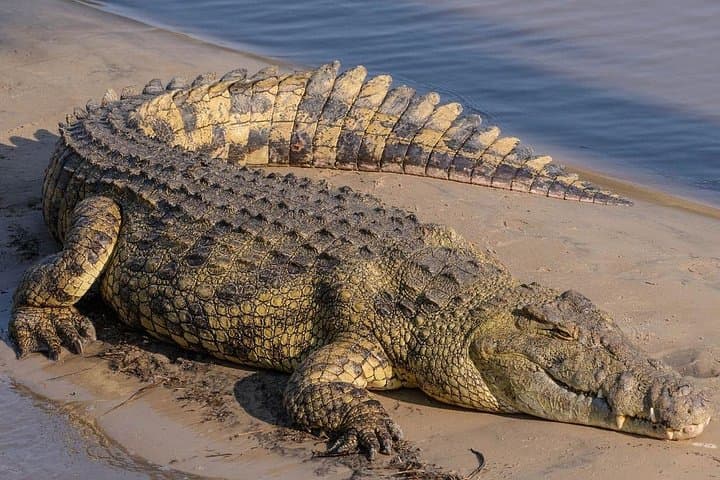
Morning mist lifts off the St. Lucia Estuary as the boat slips away from the reeds; hippos ripple the surface with yawns and crocodiles slide like dark logs along the banks, watching the day begin. Guides steady the craft and point—fish eagles spiral, kingfishers flash—while the estuary opens into a slow, living corridor that feels older than the road you drove in on.
Morning mist lifts off the St. Lucia Estuary as the boat slips away from the reeds; hippos ripple the surface with yawns and crocodiles slide like dark logs along the banks, watching the day begin. Guides steady the craft and point—fish eagles spiral, kingfishers flash—while the estuary opens into a slow, living corridor that feels older than the road you drove in on.
This estuary lies within iSimangaliso Wetland Park, South Africa’s first UNESCO World Heritage Site (1999). Geologically shaped by coastal dunes, river deposits and tidal exchange, the wetland supports large hippo pods, Nile crocodiles and a rich coastal birdlife. The local Zulu communities have long histories of fishing and stewardship here, and guides often weave cultural context into wildlife notes.
Expect roughly 8 km of slow cruising, repeated photographic stops and steady wildlife-focused commentary. The terrain is water and shoreline—no hiking—so mobility-friendly viewing is common. Light shifts quickly on the estuary: shoot in the soft morning and keep lenses ready for fast bird action and low-angle sun on the water.
Practical: bring polarized lenses and binoculars, a hat and layered sun protection, and a waterproof pouch for phones and cameras. Boats are open-sided; mornings can be cool and afternoons humid—plan clothing accordingly. Respect animal-distance guidance from guides: hippos are territorial and crocodiles can be cryptic. The trip is ideal for photographers and first-time safari-goers wanting concentrated wildlife viewing without a long land drive.