THE ADVENTURE COLLECTIVE® · Independent discovery and booking for outdoor travel

Glide the St Lucia Estuary in search of hippos, crocodiles and waterbirds on a guided half-day boat cruise through iSimangaliso Wetland Park. Expect close wildlife views, photographic opportunities and knowledgeable commentary on this dynamic estuarine ecosystem.
Glide the St Lucia Estuary in search of hippos, crocodiles and waterbirds on a guided half-day boat cruise through iSimangaliso Wetland Park. Expect close wildlife views, photographic opportunities and knowledgeable commentary on this dynamic estuarine ecosystem.
A humid dawn breaks over the St Lucia Estuary and the boat slips quietly away from the mangrove-lined bank. Water beads along the hull as guides point out the first dark shapes—hippos breaching, yawning, and floating like boulders that breathe. Farther along, a Nile crocodile basks on a sandbar, tail flicking. Bird calls—fish eagles and kingfishers—cut through the morning air, and the estuary seems to watch back.
Verified experiences and guided adventures in the surrounding area.
Operated by Africa Sun Safaris · St Lucia, KwaZulu-Natal
A humid dawn breaks over the St Lucia Estuary and the boat slips quietly away from the mangrove-lined bank. Water beads along the hull as guides point out the first dark shapes—hippos breaching, yawning, and floating like boulders that breathe. Farther along, a Nile crocodile basks on a sandbar, tail flicking. Bird calls—fish eagles and kingfishers—cut through the morning air, and the estuary seems to watch back.
This stretch of water is part of iSimangaliso Wetland Park, South Africa’s first UNESCO World Heritage Site, created from shifting dunes, coastal forests, mangroves and an intricate estuarine system. Geologically young, the estuary’s sandbanks and channels shift with tides and season, creating ever-changing wildlife edges. Locally, the area carries Zulu place‑names and a long tradition of subsistence fishing that shaped settlement patterns along the shore.
On a half-day cruise you’ll traverse roughly 8 km of estuary in about two hours of on-water time, guided by naturalists who explain behavior, habitats and safety around hippos and crocodiles. Expect close photographic opportunities from a stable, low freeboard vessel; maintain distance and follow crew instructions.
Practical notes: book morning departures for cooler light and active wildlife, pack waterproof layers and sun protection, and bring binoculars and a telephoto lens if you want tight wildlife shots. Boats are generally wheelchair accessible but check transfer details. Respect wildlife—no feeding or leaning over the rail—and leave only footprints and photographs.
The estuary hosts large populations of both but sightings can’t be guaranteed; morning cruises increase the likelihood of active animals.
Yes—commercial boats follow strict guidelines, maintain safe distances and are run by experienced guides who prioritize guest safety.
Many operators provide wheelchair-accessible options and accessible transfers—confirm accessibility and any special assistance needs at booking.
Spring and summer bring breeding plumages and migrant species, while winter concentrates large flocks—each season offers strong birding choices depending on target species.
Africa Sun Safaris operates guided outdoor trips and adventures with an emphasis on safety, stewardship, and memorable experiences.
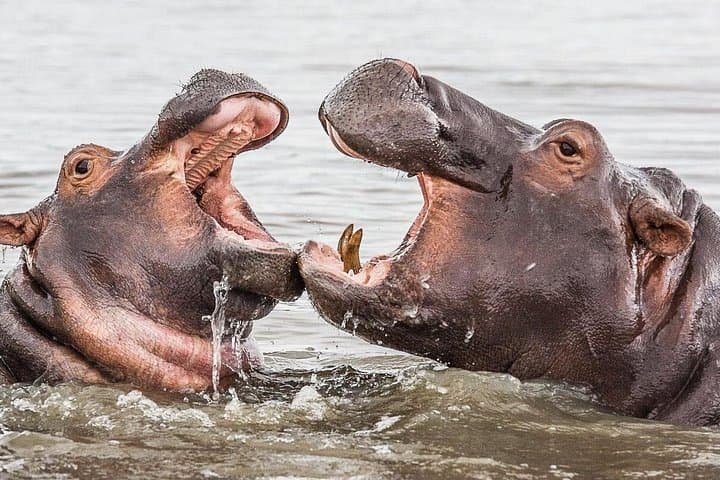
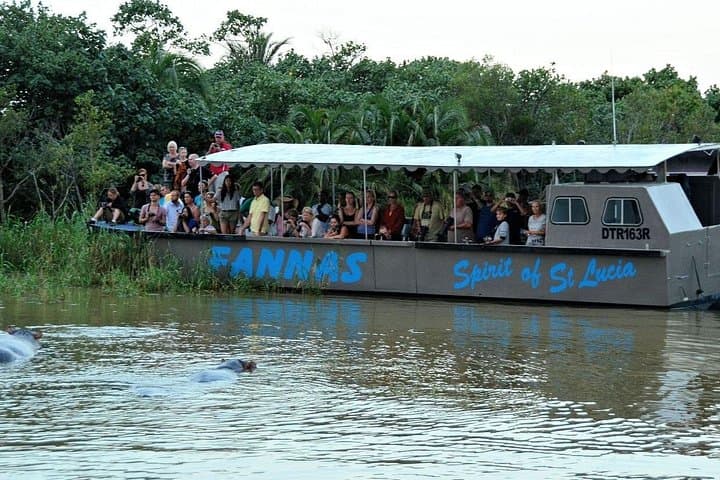

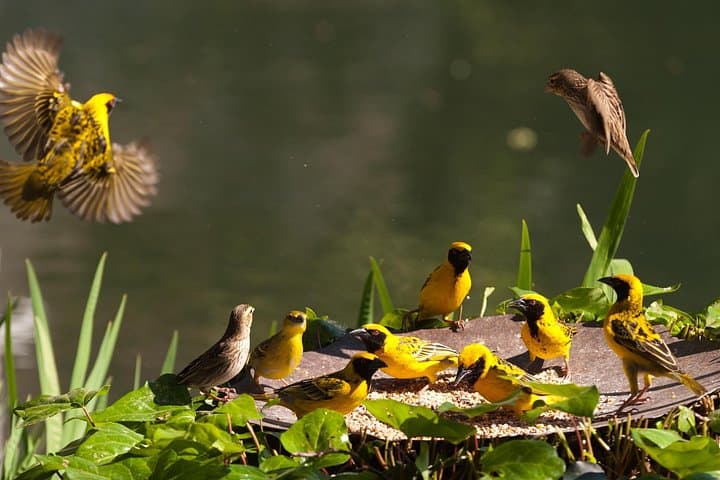
A humid dawn breaks over the St Lucia Estuary and the boat slips quietly away from the mangrove-lined bank. Water beads along the hull as guides point out the first dark shapes—hippos breaching, yawning, and floating like boulders that breathe. Farther along, a Nile crocodile basks on a sandbar, tail flicking. Bird calls—fish eagles and kingfishers—cut through the morning air, and the estuary seems to watch back.
A humid dawn breaks over the St Lucia Estuary and the boat slips quietly away from the mangrove-lined bank. Water beads along the hull as guides point out the first dark shapes—hippos breaching, yawning, and floating like boulders that breathe. Farther along, a Nile crocodile basks on a sandbar, tail flicking. Bird calls—fish eagles and kingfishers—cut through the morning air, and the estuary seems to watch back.
This stretch of water is part of iSimangaliso Wetland Park, South Africa’s first UNESCO World Heritage Site, created from shifting dunes, coastal forests, mangroves and an intricate estuarine system. Geologically young, the estuary’s sandbanks and channels shift with tides and season, creating ever-changing wildlife edges. Locally, the area carries Zulu place‑names and a long tradition of subsistence fishing that shaped settlement patterns along the shore.
On a half-day cruise you’ll traverse roughly 8 km of estuary in about two hours of on-water time, guided by naturalists who explain behavior, habitats and safety around hippos and crocodiles. Expect close photographic opportunities from a stable, low freeboard vessel; maintain distance and follow crew instructions.
Practical notes: book morning departures for cooler light and active wildlife, pack waterproof layers and sun protection, and bring binoculars and a telephoto lens if you want tight wildlife shots. Boats are generally wheelchair accessible but check transfer details. Respect wildlife—no feeding or leaning over the rail—and leave only footprints and photographs.