THE ADVENTURE COLLECTIVE® · Independent discovery and booking for outdoor travel

See Dubai’s evolution in four hours: from Al Fahidi Fort to the Burj Khalifa, with mosque access and coastal photo-stops. This guided half-day tour pairs local history with modern engineering highlights.
See Dubai’s evolution in four hours: from Al Fahidi Fort to the Burj Khalifa, with mosque access and coastal photo-stops. This guided half-day tour pairs local history with modern engineering highlights.
You step out of an air-conditioned van into a sun-saturated street and the past reshapes itself around modern glass and steel.
Verified experiences and guided adventures in the surrounding area.
Operated by Way to Dubai · Dubai, Dubai
You step out of an air-conditioned van into a sun-saturated street and the past reshapes itself around modern glass and steel.
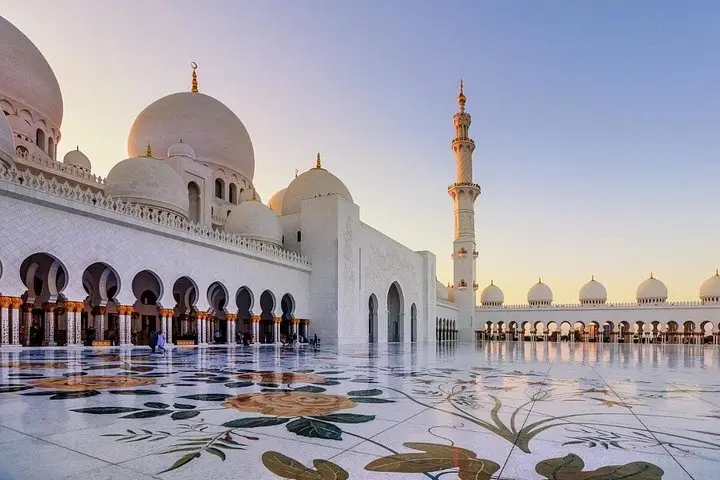
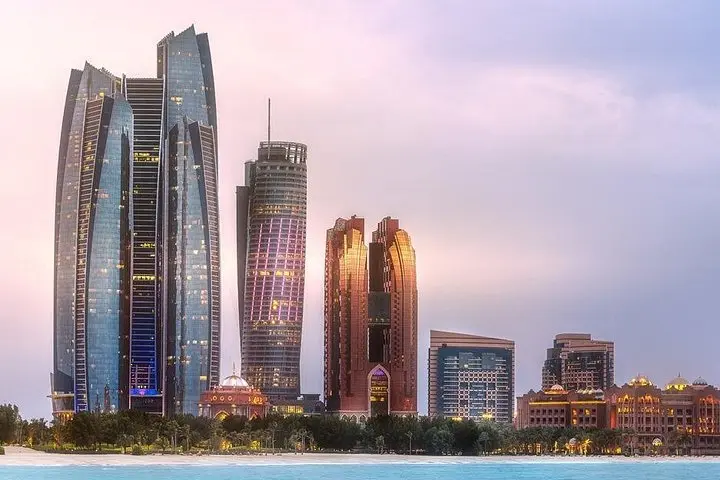
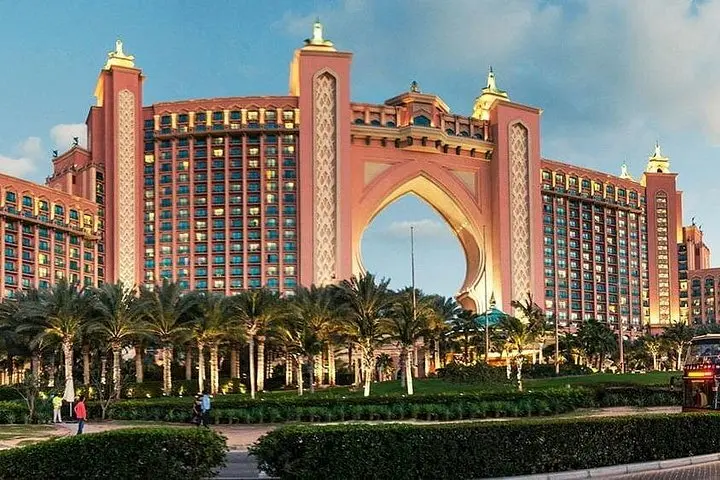
This four-hour loop moves from the Al Fahidi Historical Neighbourhood—wind-tower architecture and narrow lanes—into the slow tidal life of Dubai Creek, then out along the Jumeirah shoreline where the sail-shaped Burj Al Arab cuts the skyline. Along the way the tour pauses at the Dubai Museum in Al Fahidi Fort, visits the open-to-non-Muslims Jumeirah Mosque, and drives past engineered landmarks like Palm Jumeirah and the Burj Khalifa.
Geology here is simple: a coastal plain sculpted by tidal creeks and reclaimed sand, now overwritten by large-scale landmaking. Culturally, Dubai’s story is recent and rapid—pearling and fishing shifted to trade and oil, then to global finance and tourism in decades. Expect quick interpretive stops rather than deep dives; the guide’s role is connective tissue between sites.
Practical guidance: wear modest clothing for mosque access, bring sun protection and a refillable water bottle, and plan for some short walks on paved surfaces and cobbled alleys. Midday heat and city traffic shape the experience—mornings and late afternoons are more comfortable and photographically forgiving.
This is a curated sampler of Dubai’s contrasts: traditional courtyard homes and trading souks rubbing shoulders with engineered islands and dizzying verticality. It’s ideal for first-time visitors who want context, photos, and a compact orientation to the city’s landmarks.
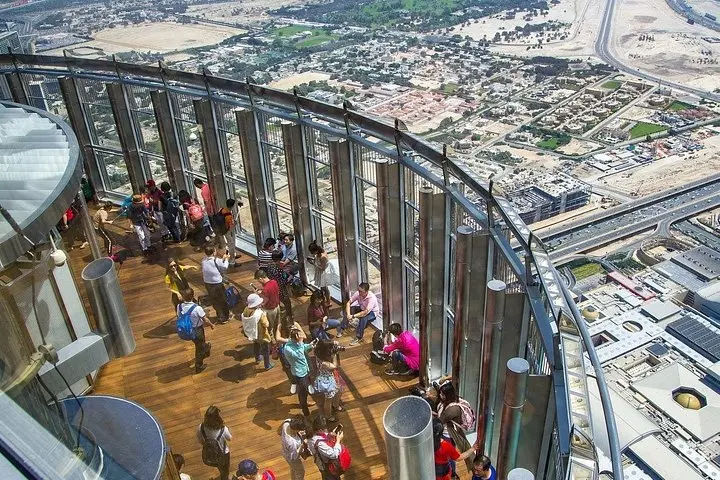
No — the itinerary includes a photo stop at the Burj Khalifa area but standard tickets to the observation deck are not included.
Yes — the mosque runs an open visit programme for non-Muslims with a dress code and brief guided introduction; modest dress is required.
Yes — the tour includes hotel pick up and drop off in an air-conditioned vehicle; exact pickup point is confirmed at booking.
Infants must sit on laps; the tour is rated easy and suitable for most ages but includes moving between stops and short walks.
Way to Dubai operates guided outdoor trips and adventures with an emphasis on safety, stewardship, and memorable experiences.
You step out of an air-conditioned van into a sun-saturated street and the past reshapes itself around modern glass and steel.
You step out of an air-conditioned van into a sun-saturated street and the past reshapes itself around modern glass and steel.
This four-hour loop moves from the Al Fahidi Historical Neighbourhood—wind-tower architecture and narrow lanes—into the slow tidal life of Dubai Creek, then out along the Jumeirah shoreline where the sail-shaped Burj Al Arab cuts the skyline. Along the way the tour pauses at the Dubai Museum in Al Fahidi Fort, visits the open-to-non-Muslims Jumeirah Mosque, and drives past engineered landmarks like Palm Jumeirah and the Burj Khalifa.
Geology here is simple: a coastal plain sculpted by tidal creeks and reclaimed sand, now overwritten by large-scale landmaking. Culturally, Dubai’s story is recent and rapid—pearling and fishing shifted to trade and oil, then to global finance and tourism in decades. Expect quick interpretive stops rather than deep dives; the guide’s role is connective tissue between sites.
Practical guidance: wear modest clothing for mosque access, bring sun protection and a refillable water bottle, and plan for some short walks on paved surfaces and cobbled alleys. Midday heat and city traffic shape the experience—mornings and late afternoons are more comfortable and photographically forgiving.
This is a curated sampler of Dubai’s contrasts: traditional courtyard homes and trading souks rubbing shoulders with engineered islands and dizzying verticality. It’s ideal for first-time visitors who want context, photos, and a compact orientation to the city’s landmarks.