THE ADVENTURE COLLECTIVE® · Independent discovery and booking for outdoor travel

Head inland from Richards Bay for a half‑day game drive into Hluhluwe‑Imfolozi, Africa’s oldest reserve and a global rhino conservation stronghold. Expect rolling hills, concentrated wildlife sightings, and practical guidance to get the most from a short safari.
Head inland from Richards Bay for a half‑day game drive into Hluhluwe‑Imfolozi, Africa’s oldest reserve and a global rhino conservation stronghold. Expect rolling hills, concentrated wildlife sightings, and practical guidance to get the most from a short safari.
The morning light breaks across rolling savannah as you roll out of Richards Bay and head inland toward Hluhluwe‑Imfolozi. The reserve opens like a living map: low hills, miombo and acacia stands, and the occasional stand of fever tree casting long shadows. Your guide scans the horizon; the bush answers with a trumpet, a distant roar, and a rustle that might be a leopard slipping between rocks.
Verified experiences and guided adventures in the surrounding area.
Operated by Africa Top Tours & Safaris · Hluhluwe, KwaZulu-Natal
The morning light breaks across rolling savannah as you roll out of Richards Bay and head inland toward Hluhluwe‑Imfolozi. The reserve opens like a living map: low hills, miombo and acacia stands, and the occasional stand of fever tree casting long shadows. Your guide scans the horizon; the bush answers with a trumpet, a distant roar, and a rustle that might be a leopard slipping between rocks.
Established in 1895, Hluhluwe‑Imfolozi is Africa’s oldest proclaimed nature reserve and a cornerstone of white rhino conservation. Geologically the park sits on ancient sedimentary layers that shape its hilly ridges and river cuttings, creating viewpoints and shaded riverine corridors where animals concentrate. Culturally the reserve lies in Zululand; local guides often weave Zulu place names and land-use traditions into the narrative of the drive.
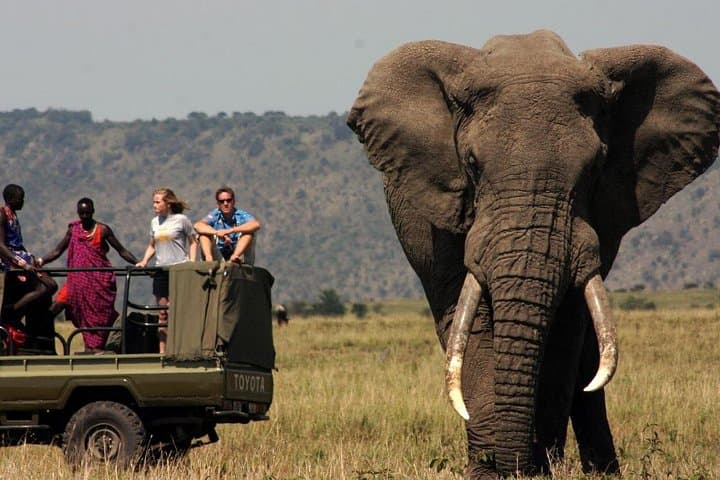
On a half‑day game drive expect 4–6 hours in the park with multiple wildlife sightings rather than a guaranteed Big Five checklist—although rhino and elephant are commonly seen here. Vehicles travel on gravel tracks over uneven terrain; windows up during close encounters keep both you and animals calm. Photography windows and binoculars make the difference between a glance and a story worth retelling.
Practical notes: depart early for cooler light and active animals, bring water, sun protection, and a warm layer for the return. Respect speed limits and the guide’s instructions—animals set the schedule here. If you want a deeper cultural or photographic experience, consider a longer stay based base in Hluhluwe after this introduction.
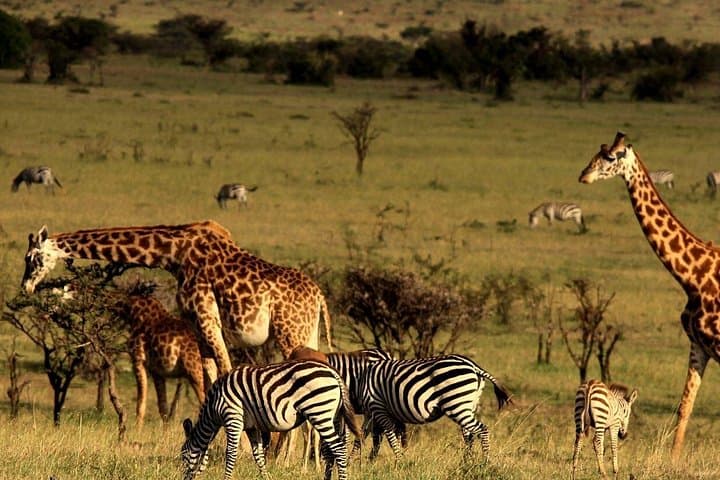
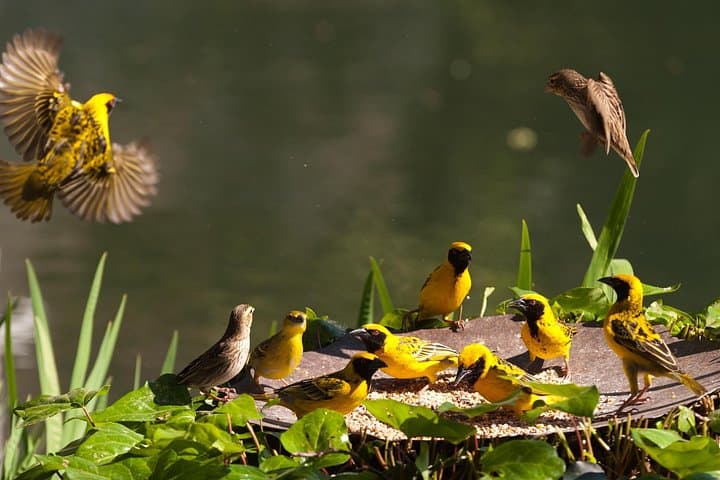
Common sightings include white rhino, elephant, buffalo, giraffe, zebra, and numerous bird species; lions and leopards are possible but less predictable.
Yes—transport and many areas are wheelchair accessible, but check specifics with the operator ahead of booking for vehicle accommodations.
Bring water and a light snack; some operators provide bottled water but it’s best to carry your own supply for comfort.
Full refunds are available if you cancel at least 24 hours before departure; cancellations within 24 hours are non‑refundable.
Africa Top Tours & Safaris operates guided outdoor trips and adventures with an emphasis on safety, stewardship, and memorable experiences.

The morning light breaks across rolling savannah as you roll out of Richards Bay and head inland toward Hluhluwe‑Imfolozi. The reserve opens like a living map: low hills, miombo and acacia stands, and the occasional stand of fever tree casting long shadows. Your guide scans the horizon; the bush answers with a trumpet, a distant roar, and a rustle that might be a leopard slipping between rocks.
The morning light breaks across rolling savannah as you roll out of Richards Bay and head inland toward Hluhluwe‑Imfolozi. The reserve opens like a living map: low hills, miombo and acacia stands, and the occasional stand of fever tree casting long shadows. Your guide scans the horizon; the bush answers with a trumpet, a distant roar, and a rustle that might be a leopard slipping between rocks.
Established in 1895, Hluhluwe‑Imfolozi is Africa’s oldest proclaimed nature reserve and a cornerstone of white rhino conservation. Geologically the park sits on ancient sedimentary layers that shape its hilly ridges and river cuttings, creating viewpoints and shaded riverine corridors where animals concentrate. Culturally the reserve lies in Zululand; local guides often weave Zulu place names and land-use traditions into the narrative of the drive.
On a half‑day game drive expect 4–6 hours in the park with multiple wildlife sightings rather than a guaranteed Big Five checklist—although rhino and elephant are commonly seen here. Vehicles travel on gravel tracks over uneven terrain; windows up during close encounters keep both you and animals calm. Photography windows and binoculars make the difference between a glance and a story worth retelling.
Practical notes: depart early for cooler light and active animals, bring water, sun protection, and a warm layer for the return. Respect speed limits and the guide’s instructions—animals set the schedule here. If you want a deeper cultural or photographic experience, consider a longer stay based base in Hluhluwe after this introduction.