THE ADVENTURE COLLECTIVE® · Independent discovery and booking for outdoor travel

Set out from Richards Bay for a half‑day game drive into Hluhluwe‑Imfolozi, where rolling hills and river valleys concentrate the Big Five. Expect vehicle‑based viewing, seasonal shifts in wildlife, and expert local guides who prioritize safety and conservation.
Set out from Richards Bay for a half‑day game drive into Hluhluwe‑Imfolozi, where rolling hills and river valleys concentrate the Big Five. Expect vehicle‑based viewing, seasonal shifts in wildlife, and expert local guides who prioritize safety and conservation.
The Land Cruiser bumps onto a dusty track and the reserve opens up: rolling grassy hills, acacia lines, and a horizon punctured by distant termite mounds. Early light gilds the flanks of grazing antelope while guides scan for movement — a rhino shadow by the river, elephants tracing a path through the trees.
Verified experiences and guided adventures in the surrounding area.
Operated by African Cape Safaris · Hluhluwe, KwaZulu-Natal
The Land Cruiser bumps onto a dusty track and the reserve opens up: rolling grassy hills, acacia lines, and a horizon punctured by distant termite mounds. Early light gilds the flanks of grazing antelope while guides scan for movement — a rhino shadow by the river, elephants tracing a path through the trees.
Hluhluwe‑Imfolozi is one of Africa’s oldest reserves, shaped by volcanic soils and long seasonal rhythms. The broken ridges and river valleys of the Imfolozi complex create microhabitats that concentrate game, while decades of conservation—most famously anti‑poaching and rhino protection programs—have restored populations once in decline. Local Zulu communities and ranger traditions are woven into the park’s story; guides often share place names and cultural notes that explain why certain watering holes are held sacred.
Practically, this half‑day trip from Richards Bay is vehicle‑based and observation‑focused: expect several hours in an open 4x4 with short stops for photos and a picnic lunch. Wildlife sightings vary with season—drier months pull animals toward permanent water; thunderstorms in summer can scatter activity.
Plan for sun, dust, and long light: wear neutral clothing, layered for morning chill, and comfortable shoes for brief exits. Bring binoculars, a telephoto lens, and plenty of water; keep conversations low and follow the guide’s instructions to keep distance from animals. The reward is close: a tower of giraffes silhouetted at sunset, the low rumble of elephants, and the rare glimpse of rhino moving through tall grass—raw, immediate, and responsibly observed.
Pickups typically leave early morning; total outing time is about 6–7 hours including game drive and return transfer.
Yes—this tour notes wheelchair accessibility and is suitable for children, though infants must sit on an adult’s lap.
No—sightings are likely but never guaranteed; guides maximize opportunities but animal movement is unpredictable.
Neutral, breathable layers, closed‑toe shoes, sun protection, binoculars, a camera, and water are recommended.
African Cape Safaris operates guided outdoor trips and adventures with an emphasis on safety, stewardship, and memorable experiences.
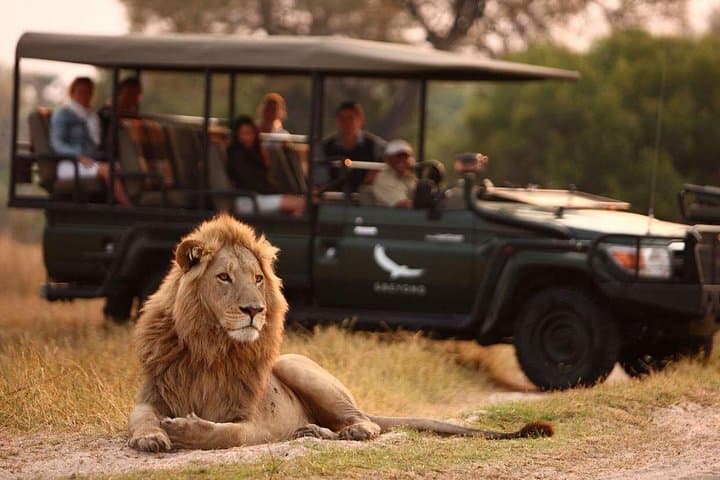
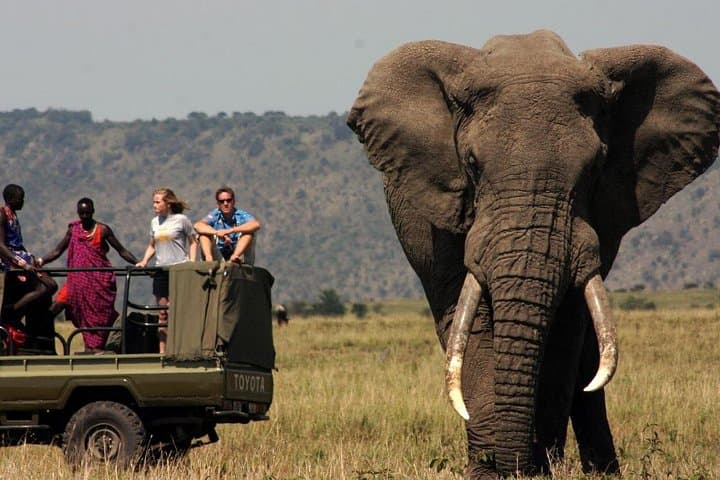

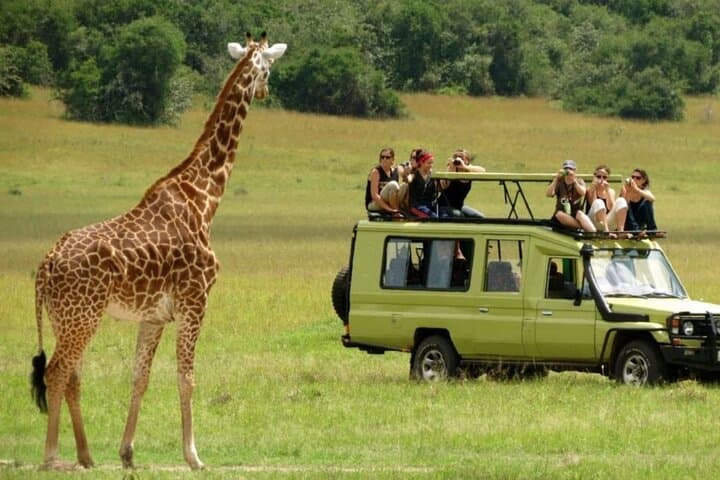
The Land Cruiser bumps onto a dusty track and the reserve opens up: rolling grassy hills, acacia lines, and a horizon punctured by distant termite mounds. Early light gilds the flanks of grazing antelope while guides scan for movement — a rhino shadow by the river, elephants tracing a path through the trees.
The Land Cruiser bumps onto a dusty track and the reserve opens up: rolling grassy hills, acacia lines, and a horizon punctured by distant termite mounds. Early light gilds the flanks of grazing antelope while guides scan for movement — a rhino shadow by the river, elephants tracing a path through the trees.
Hluhluwe‑Imfolozi is one of Africa’s oldest reserves, shaped by volcanic soils and long seasonal rhythms. The broken ridges and river valleys of the Imfolozi complex create microhabitats that concentrate game, while decades of conservation—most famously anti‑poaching and rhino protection programs—have restored populations once in decline. Local Zulu communities and ranger traditions are woven into the park’s story; guides often share place names and cultural notes that explain why certain watering holes are held sacred.
Practically, this half‑day trip from Richards Bay is vehicle‑based and observation‑focused: expect several hours in an open 4x4 with short stops for photos and a picnic lunch. Wildlife sightings vary with season—drier months pull animals toward permanent water; thunderstorms in summer can scatter activity.
Plan for sun, dust, and long light: wear neutral clothing, layered for morning chill, and comfortable shoes for brief exits. Bring binoculars, a telephoto lens, and plenty of water; keep conversations low and follow the guide’s instructions to keep distance from animals. The reward is close: a tower of giraffes silhouetted at sunset, the low rumble of elephants, and the rare glimpse of rhino moving through tall grass—raw, immediate, and responsibly observed.