THE ADVENTURE COLLECTIVE® · Independent discovery and booking for outdoor travel

Walk the historic Hmong route from Sapa to Hau Thao with a local Hmong guide. This half‑day trek threads rice terraces, village life, and panoramic valley views, finishing with the option of a family homestay dinner.
Walk the historic Hmong route from Sapa to Hau Thao with a local Hmong guide. This half‑day trek threads rice terraces, village life, and panoramic valley views, finishing with the option of a family homestay dinner.
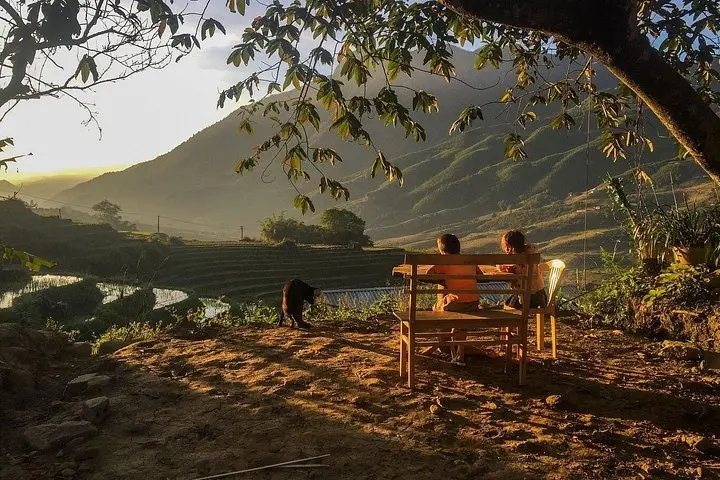
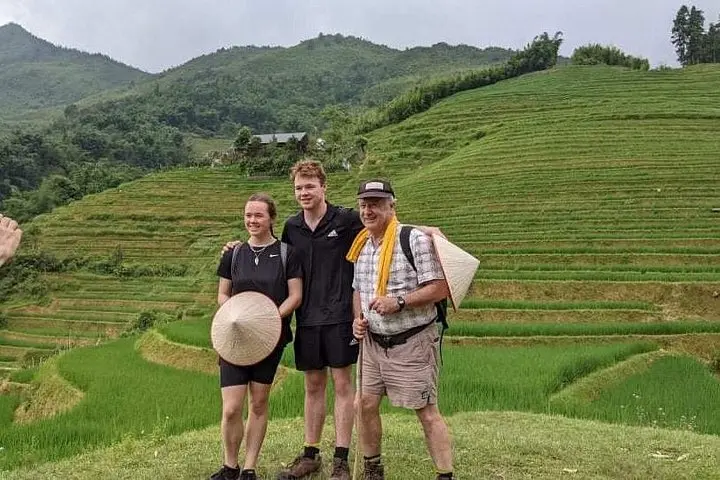
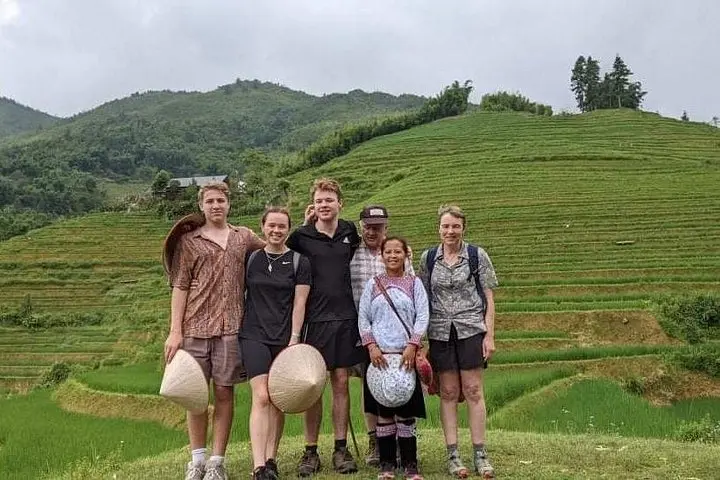
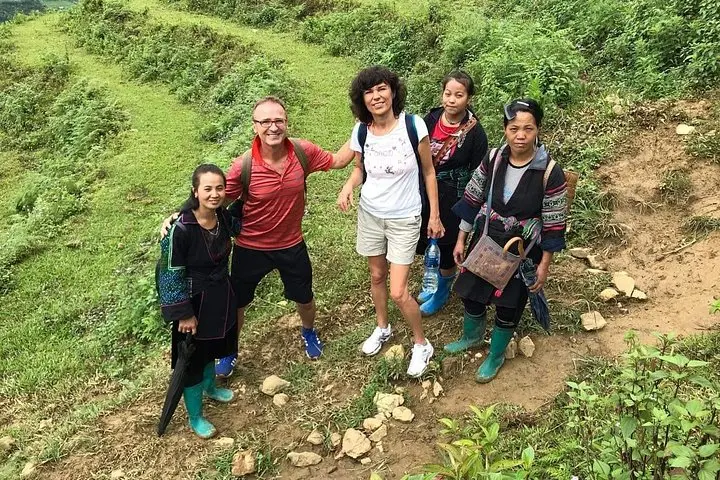
Mist and rice terraces open and close like curtains as walkers step out from Sapa town at dawn. The path threads past stacked paddies, through hamlets where laundry dries on bamboo poles, and along the old route Hmong families used to reach the market. By mid-morning the valley stretches wide: a river dares you to look over the rim, peaks of the Hoang Lien range puncture the clouds, and the guide—the local Hmong sister—tells stories that map people onto place.
Verified experiences and guided adventures in the surrounding area.
Operated by Hmong Sister House and Trekking · Sapa, Lao Cai
Mist and rice terraces open and close like curtains as walkers step out from Sapa town at dawn. The path threads past stacked paddies, through hamlets where laundry dries on bamboo poles, and along the old route Hmong families used to reach the market. By mid-morning the valley stretches wide: a river dares you to look over the rim, peaks of the Hoang Lien range puncture the clouds, and the guide—the local Hmong sister—tells stories that map people onto place.
This route crosses Lao Chai, Ta Van and finishes in Hau Thao, villages formed on steep terraces carved over generations. Geology here is young mountain country—granite outcrops and alluvial valley floors—and the terraces reflect centuries of rice cultivation. The Hmong community keeps distinct dress, language and seasonal festivals; homestays like Zizi’s are part cultural exchange, part community income.
Plan practically: the program is a shared 4.5‑hour trek (about 6–8 km, cumulative ascent ~200–400 m), with bottled water and lunch included and hotel pickup from Sapa. Trails vary from packed dirt to stepped stone and muddy stretches after rain—good footwear matters. An English‑speaking Hmong guide narrates village life and can arrange an optional family dinner at the homestay.
Expect variable weather—pack a lightweight rain jacket and layers, start early to catch clearer views, and bring small cash for tea, handicrafts and donations. The walk is accessible to most fit travelers but not recommended for those with spinal issues or pregnancy; it’s a practical, human-scale way to walk Sapa’s living landscape.
The shared program runs about 4.5 hours covering roughly 6–8 km with modest cumulative ascent; it’s classed moderate but accessible to most walkers.
Yes—the guide picks up from Sapa town; you can provide a specific hotel or meeting point at booking.
Lunch and bottled water are included; there’s an optional family dinner at Zizi Homestay you can join for an extra local experience.
Many families and older walkers complete the route, but it’s not recommended for those with spinal injuries or pregnancy; notify the operator of special needs before booking.
Hmong Sister House and Trekking operates guided outdoor trips and adventures with an emphasis on safety, stewardship, and memorable experiences.
Mist and rice terraces open and close like curtains as walkers step out from Sapa town at dawn. The path threads past stacked paddies, through hamlets where laundry dries on bamboo poles, and along the old route Hmong families used to reach the market. By mid-morning the valley stretches wide: a river dares you to look over the rim, peaks of the Hoang Lien range puncture the clouds, and the guide—the local Hmong sister—tells stories that map people onto place.
Mist and rice terraces open and close like curtains as walkers step out from Sapa town at dawn. The path threads past stacked paddies, through hamlets where laundry dries on bamboo poles, and along the old route Hmong families used to reach the market. By mid-morning the valley stretches wide: a river dares you to look over the rim, peaks of the Hoang Lien range puncture the clouds, and the guide—the local Hmong sister—tells stories that map people onto place.
This route crosses Lao Chai, Ta Van and finishes in Hau Thao, villages formed on steep terraces carved over generations. Geology here is young mountain country—granite outcrops and alluvial valley floors—and the terraces reflect centuries of rice cultivation. The Hmong community keeps distinct dress, language and seasonal festivals; homestays like Zizi’s are part cultural exchange, part community income.
Plan practically: the program is a shared 4.5‑hour trek (about 6–8 km, cumulative ascent ~200–400 m), with bottled water and lunch included and hotel pickup from Sapa. Trails vary from packed dirt to stepped stone and muddy stretches after rain—good footwear matters. An English‑speaking Hmong guide narrates village life and can arrange an optional family dinner at the homestay.
Expect variable weather—pack a lightweight rain jacket and layers, start early to catch clearer views, and bring small cash for tea, handicrafts and donations. The walk is accessible to most fit travelers but not recommended for those with spinal issues or pregnancy; it’s a practical, human-scale way to walk Sapa’s living landscape.