THE ADVENTURE COLLECTIVE® · Independent discovery and booking for outdoor travel

Spend a half day on horseback exploring Pokhara’s lakeside foothills, riding through rice fields, villages, and viewpoints that line Phewa Lake with Annapurna views. Ideal for beginners and seasoned riders seeking a relaxed, scenic ride.
Spend a half day on horseback exploring Pokhara’s lakeside foothills, riding through rice fields, villages, and viewpoints that line Phewa Lake with Annapurna views. Ideal for beginners and seasoned riders seeking a relaxed, scenic ride.
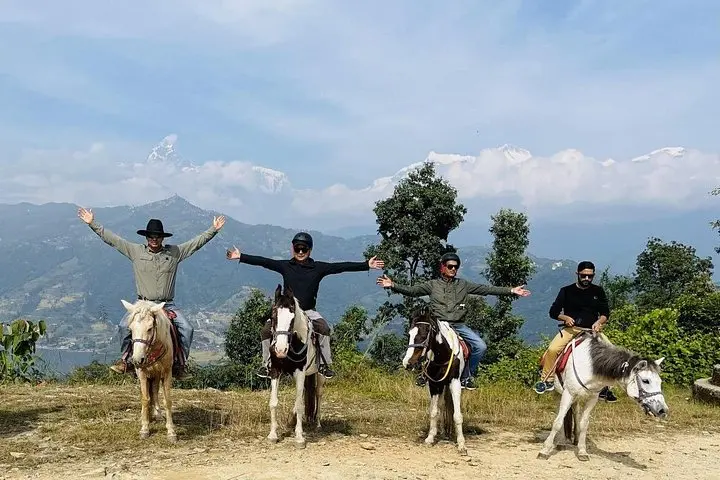
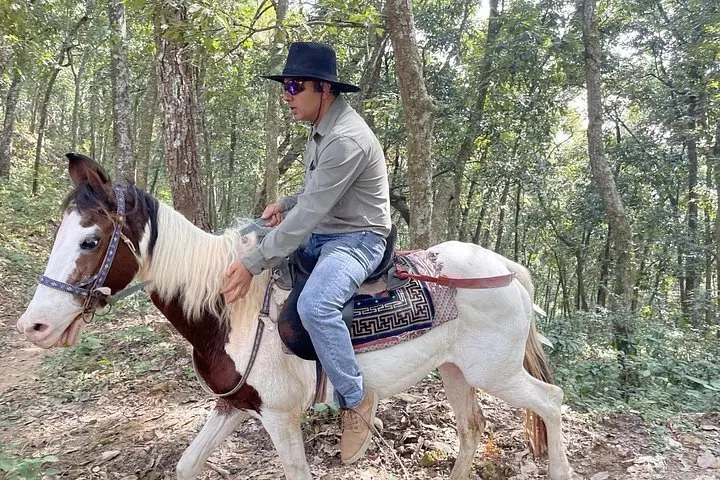
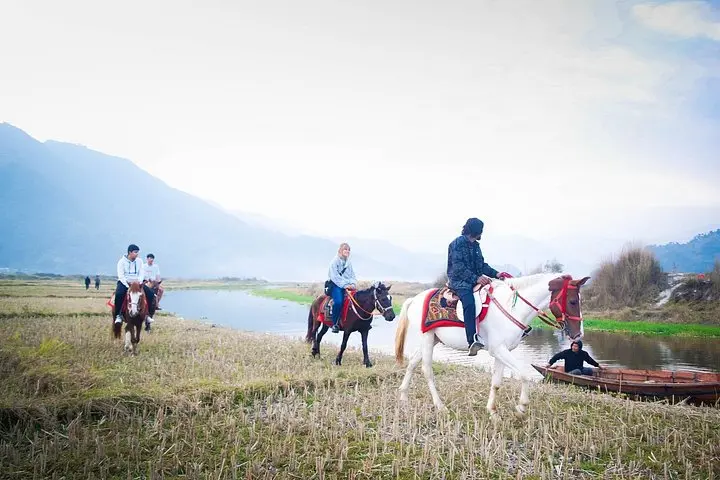
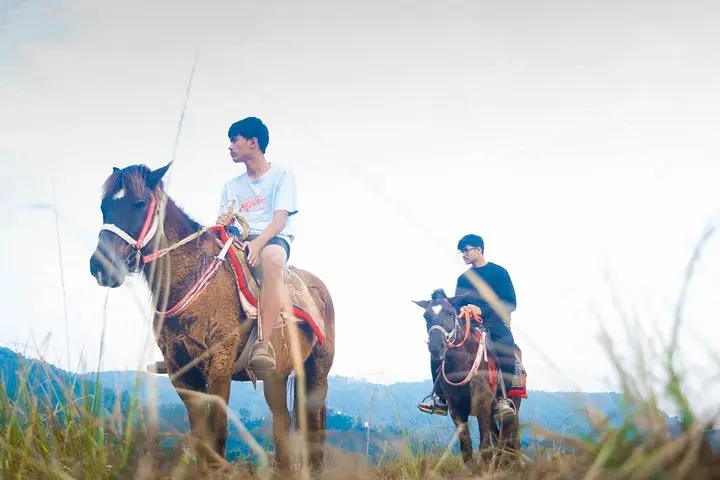
A low-slung sun warms the paddock as you mount a willing horse and push off into a countryside that frames the Annapurna massif. The rattle of hooves on packed earth, the hush of rice fields, and the sudden gleam of Phewa Lake make the first hour feel cinematic but grounded — this is riding with viewlines, not a performance.
Verified experiences and guided adventures in the surrounding area.
Operated by AM Travels and Tours · Pokhara, Gandaki Province
A low-slung sun warms the paddock as you mount a willing horse and push off into a countryside that frames the Annapurna massif. The rattle of hooves on packed earth, the hush of rice fields, and the sudden gleam of Phewa Lake make the first hour feel cinematic but grounded — this is riding with viewlines, not a performance.
The route skirts traditional villages where stone houses and terraced fields remind you that this valley has fed people for centuries. Geologically, the low ridges here are foothills of the Greater Himalaya; rivers have cut gentle valleys that give way to steeper slopes farther north. Local guides share small cultural cues — a temple bell, a farmer’s greeting, the practical role horses have played in transport and agriculture before motor roads arrived.
Expect broad, walkable tracks, short grassy climbs, and several open viewpoints that frame Machhapuchhre (Fishtail) and Annapurna’s flanks. The ride is designed for mixed abilities: beginners receive a briefing and supervision, while more confident riders can stretch the pace a little.
Practical guidance: arrive with layered clothing, closed-toe shoes with a small heel, and a light daypack. Hydrate before you go; carry sun protection and insect repellent. Allow about three hours for pickup, briefing, riding, and return — morning or late afternoon slots offer the best light and cooler temperatures. Respect local customs when passing villages and follow your guide’s instructions for mounting, dismounting, and handling the horse.
No — the ride is suitable for beginners; guides provide a safety briefing and basic riding instruction.
The activity lasts about three hours and typically includes hotel pickup and drop-off within Pokhara city limits.
Not recommended for pregnant travelers or those with serious back or heart conditions; check with the operator for specific restrictions.
Monsoon rains can make trails muddy; operators may adjust or cancel rides — confirm cancellation and refund policies when booking.
AM Travels and Tours operates guided outdoor trips and adventures with an emphasis on safety, stewardship, and memorable experiences.
A low-slung sun warms the paddock as you mount a willing horse and push off into a countryside that frames the Annapurna massif. The rattle of hooves on packed earth, the hush of rice fields, and the sudden gleam of Phewa Lake make the first hour feel cinematic but grounded — this is riding with viewlines, not a performance.
A low-slung sun warms the paddock as you mount a willing horse and push off into a countryside that frames the Annapurna massif. The rattle of hooves on packed earth, the hush of rice fields, and the sudden gleam of Phewa Lake make the first hour feel cinematic but grounded — this is riding with viewlines, not a performance.
The route skirts traditional villages where stone houses and terraced fields remind you that this valley has fed people for centuries. Geologically, the low ridges here are foothills of the Greater Himalaya; rivers have cut gentle valleys that give way to steeper slopes farther north. Local guides share small cultural cues — a temple bell, a farmer’s greeting, the practical role horses have played in transport and agriculture before motor roads arrived.
Expect broad, walkable tracks, short grassy climbs, and several open viewpoints that frame Machhapuchhre (Fishtail) and Annapurna’s flanks. The ride is designed for mixed abilities: beginners receive a briefing and supervision, while more confident riders can stretch the pace a little.
Practical guidance: arrive with layered clothing, closed-toe shoes with a small heel, and a light daypack. Hydrate before you go; carry sun protection and insect repellent. Allow about three hours for pickup, briefing, riding, and return — morning or late afternoon slots offer the best light and cooler temperatures. Respect local customs when passing villages and follow your guide’s instructions for mounting, dismounting, and handling the horse.