THE ADVENTURE COLLECTIVE® · Independent discovery and booking for outdoor travel

Spend a focused morning on a frozen Alaskan lake learning native ice-fishing techniques from experienced guides. Small groups, a heated hut, and hands-on instruction make this a practical and memorable winter adventure.
Spend a focused morning on a frozen Alaskan lake learning native ice-fishing techniques from experienced guides. Small groups, a heated hut, and hands-on instruction make this a practical and memorable winter adventure.
Step out of the van into a skeletal birch wind and the flat whiteness of a frozen lake, coffee steam rising as guides drill a neat hole in the ice. The wooden fishing hut provides a surprising pocket of comfort; outside, the sun glares off snow and distant spruce stand like dark teeth on the horizon. Here you learn ice fishing the hands-on way—local techniques, simple rigs and patient lines dropped into clear winter water.
Verified experiences and guided adventures in the surrounding area.
Operated by 1st Alaska Outdoor School · Fairbanks, Alaska
Step out of the van into a skeletal birch wind and the flat whiteness of a frozen lake, coffee steam rising as guides drill a neat hole in the ice. The wooden fishing hut provides a surprising pocket of comfort; outside, the sun glares off snow and distant spruce stand like dark teeth on the horizon. Here you learn ice fishing the hands-on way—local techniques, simple rigs and patient lines dropped into clear winter water.
This region sits on Pleistocene glacial sediments overlying upland bedrock; lakes here are carved basins that channel cold, clear water and sustain resilient fish populations. Indigenous techniques shared by guides reflect generations of seasonal living on the land and an ethic of taking only what you need. Cultural notes: Fairbanks’ winter rhythm is defined by short days, long nights and festivals that grew from subsistence traditions.
Practical guidance: tours run about 3–3.5 hours and include hotel pickup within Fairbanks, fishing gear and hot drinks. Dress in insulating layers, insulated waterproof boots and a windproof outer shell; the hut warms things but exterior work is cold. Guides check ice safety and carry communication gear; minimum two guests required and trips may cancel if numbers or conditions aren’t met. Expect gentle instruction rather than technical instruction—no previous experience necessary.
Timing tip: mid-morning light reduces glare and often brings steady activity below the surface. Respect local regulations—keepers and sizes vary by season—and leave the site cleaner than you found it. The experience is equal parts quiet concentration, practical learning and the clear, sharp drama of interior Alaska winter.
No—guides teach basic ice-fishing techniques and handle gear setup; the trip is designed for beginners and experienced anglers alike.
Regulations vary—many guided tours include licensing or advise guests; confirm with the operator if a personal license is required before the trip.
Species depend on the lake; common catches around Fairbanks include varieties of whitefish and northern pike—ask guides about what to expect that day.
Trips can be canceled for insufficient participants or unsafe ice/weather; the operator's policy requires a minimum number and may offer alternatives or refunds in those cases.
1st Alaska Outdoor School operates guided outdoor trips and adventures with an emphasis on safety, stewardship, and memorable experiences.
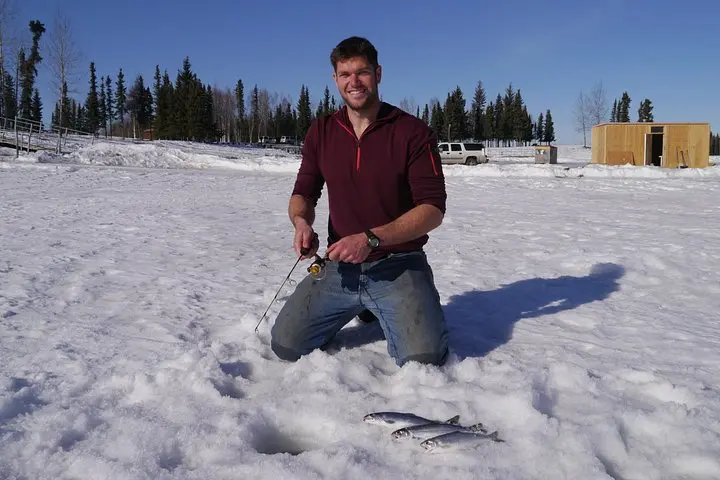
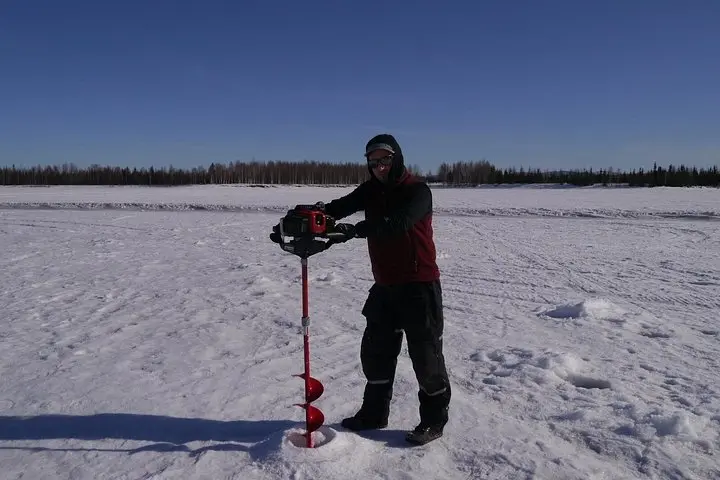
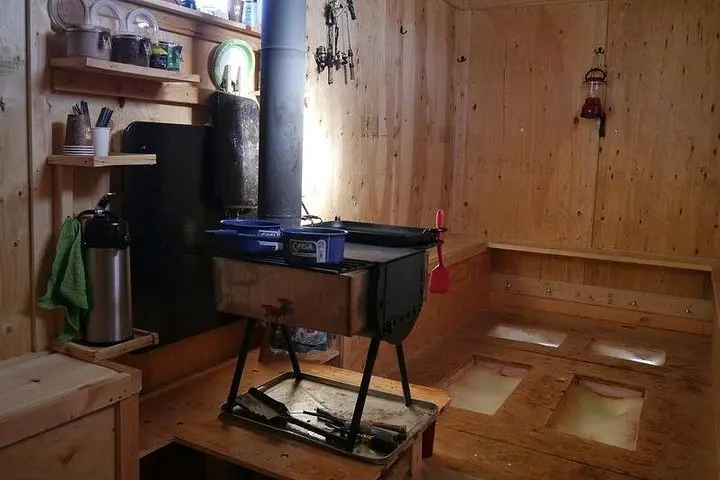
Step out of the van into a skeletal birch wind and the flat whiteness of a frozen lake, coffee steam rising as guides drill a neat hole in the ice. The wooden fishing hut provides a surprising pocket of comfort; outside, the sun glares off snow and distant spruce stand like dark teeth on the horizon. Here you learn ice fishing the hands-on way—local techniques, simple rigs and patient lines dropped into clear winter water.
Step out of the van into a skeletal birch wind and the flat whiteness of a frozen lake, coffee steam rising as guides drill a neat hole in the ice. The wooden fishing hut provides a surprising pocket of comfort; outside, the sun glares off snow and distant spruce stand like dark teeth on the horizon. Here you learn ice fishing the hands-on way—local techniques, simple rigs and patient lines dropped into clear winter water.
This region sits on Pleistocene glacial sediments overlying upland bedrock; lakes here are carved basins that channel cold, clear water and sustain resilient fish populations. Indigenous techniques shared by guides reflect generations of seasonal living on the land and an ethic of taking only what you need. Cultural notes: Fairbanks’ winter rhythm is defined by short days, long nights and festivals that grew from subsistence traditions.
Practical guidance: tours run about 3–3.5 hours and include hotel pickup within Fairbanks, fishing gear and hot drinks. Dress in insulating layers, insulated waterproof boots and a windproof outer shell; the hut warms things but exterior work is cold. Guides check ice safety and carry communication gear; minimum two guests required and trips may cancel if numbers or conditions aren’t met. Expect gentle instruction rather than technical instruction—no previous experience necessary.
Timing tip: mid-morning light reduces glare and often brings steady activity below the surface. Respect local regulations—keepers and sizes vary by season—and leave the site cleaner than you found it. The experience is equal parts quiet concentration, practical learning and the clear, sharp drama of interior Alaska winter.