THE ADVENTURE COLLECTIVE® · Independent discovery and booking for outdoor travel

Spend a compact half-day exploring Kenya’s cultural and natural history at Nairobi National Museum, then meet the country’s reptiles at the adjacent Snake Park. This guided tour combines exhibits, botanic shade and hotel pickup for an efficient city escape.
Spend a compact half-day exploring Kenya’s cultural and natural history at Nairobi National Museum, then meet the country’s reptiles at the adjacent Snake Park. This guided tour combines exhibits, botanic shade and hotel pickup for an efficient city escape.
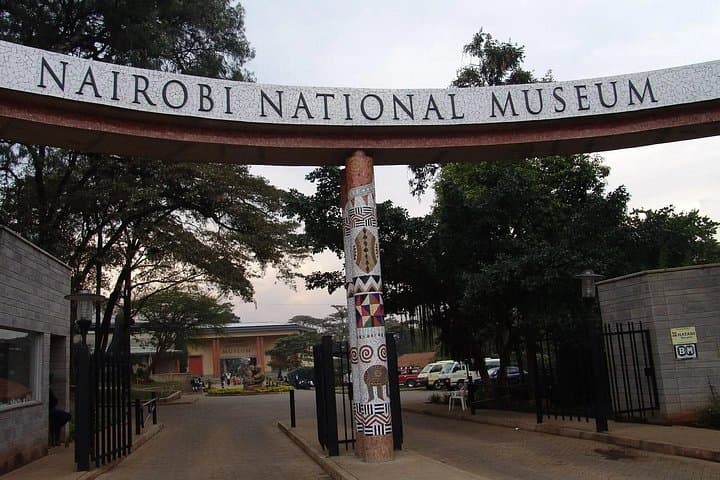
You step out of Nairobi traffic onto Museum Hill and the city’s rush softens into the measured walkways of a place built for looking. Afternoon light catches display cases and the shade of mature trees; voices of school groups mix with the distant hum of the city below.
Verified experiences and guided adventures in the surrounding area.
Operated by Gracepatt Ecotours Kenya · Nairobi, Nairobi County
You step out of Nairobi traffic onto Museum Hill and the city’s rush softens into the measured walkways of a place built for looking. Afternoon light catches display cases and the shade of mature trees; voices of school groups mix with the distant hum of the city below.
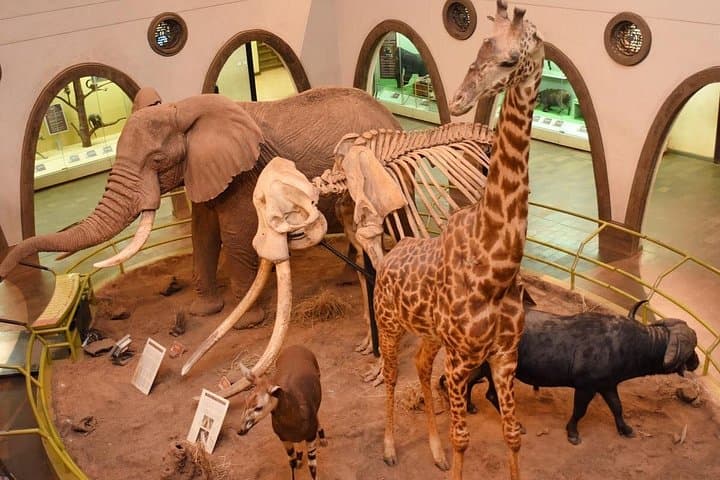
The Nairobi National Museum is the country’s main cultural repository — a gallery of archaeology, ethnography and natural history that traces human origins, colonial-era collections and modern Kenyan art. Its stone exhibits sit on the western edge of the East African Rift, where geology and human story intersect: fossils, ceramics and wildlife specimens all sketch the region’s long arc. Adjacent, the refurbished Snake Park focuses on reptiles native to Kenya and keeps them in educational enclosures, while the botanical garden and short nature trail give visitors a moment of cool shade and local birdlife.
Expect a structured, low-impact half-day: museum galleries, a reptile walkthrough and a relaxing stroll through botanical grounds. The tour includes hotel pickup and drop-off, and a professional guide who can contextualize fossils, ethnographic objects and conservation challenges.
Practical edge: bring a refillable water bottle, a camera with respectful flash settings, and sensible walking shoes. Plan mornings to avoid heat and crowds; check exhibit closures for rotating displays. Follow signage at the Snake Park — animals are there to be observed, not handled — and leave time to sit under the trees at the garden to watch sunbirds and weavers flit between blooms.
The tour description lists admission as included for both the Nairobi National Museum and the Snake Park as part of the itinerary.
Yes — the tour includes hotel pickup and drop-off from Nairobi hotels, with the driver meeting guests in the lobby.
The Snake Park is designed for public viewing with secure enclosures; children should be supervised at all times and follow staff instructions.
Photography rules vary by gallery; many permanent exhibits allow photos without flash, but check signage and ask guides to protect sensitive objects.
Gracepatt Ecotours Kenya operates guided outdoor trips and adventures with an emphasis on safety, stewardship, and memorable experiences.


You step out of Nairobi traffic onto Museum Hill and the city’s rush softens into the measured walkways of a place built for looking. Afternoon light catches display cases and the shade of mature trees; voices of school groups mix with the distant hum of the city below.
You step out of Nairobi traffic onto Museum Hill and the city’s rush softens into the measured walkways of a place built for looking. Afternoon light catches display cases and the shade of mature trees; voices of school groups mix with the distant hum of the city below.
The Nairobi National Museum is the country’s main cultural repository — a gallery of archaeology, ethnography and natural history that traces human origins, colonial-era collections and modern Kenyan art. Its stone exhibits sit on the western edge of the East African Rift, where geology and human story intersect: fossils, ceramics and wildlife specimens all sketch the region’s long arc. Adjacent, the refurbished Snake Park focuses on reptiles native to Kenya and keeps them in educational enclosures, while the botanical garden and short nature trail give visitors a moment of cool shade and local birdlife.
Expect a structured, low-impact half-day: museum galleries, a reptile walkthrough and a relaxing stroll through botanical grounds. The tour includes hotel pickup and drop-off, and a professional guide who can contextualize fossils, ethnographic objects and conservation challenges.
Practical edge: bring a refillable water bottle, a camera with respectful flash settings, and sensible walking shoes. Plan mornings to avoid heat and crowds; check exhibit closures for rotating displays. Follow signage at the Snake Park — animals are there to be observed, not handled — and leave time to sit under the trees at the garden to watch sunbirds and weavers flit between blooms.