THE ADVENTURE COLLECTIVE® · Independent discovery and booking for outdoor travel

See Rio’s two signature viewpoints in one efficient half‑day: a forest drive to Corcovado’s iconic statue and a two-stage cable car to Sugarloaf’s panoramic ridgeline. Perfect for visitors short on time who want sweeping city and bay views with practical comforts.
See Rio’s two signature viewpoints in one efficient half‑day: a forest drive to Corcovado’s iconic statue and a two-stage cable car to Sugarloaf’s panoramic ridgeline. Perfect for visitors short on time who want sweeping city and bay views with practical comforts.
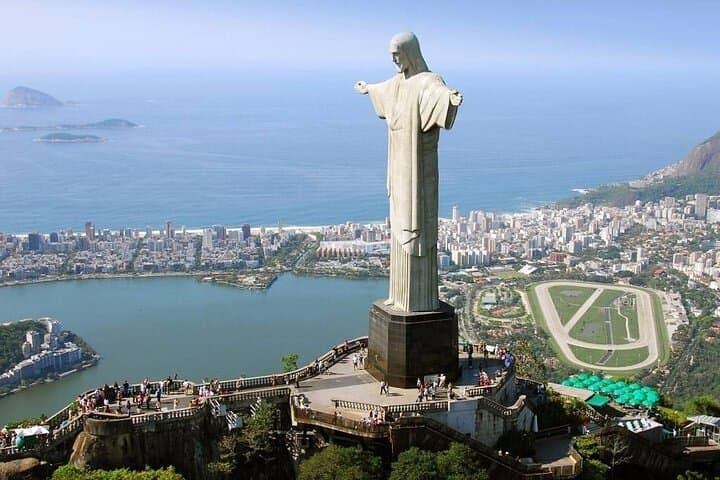
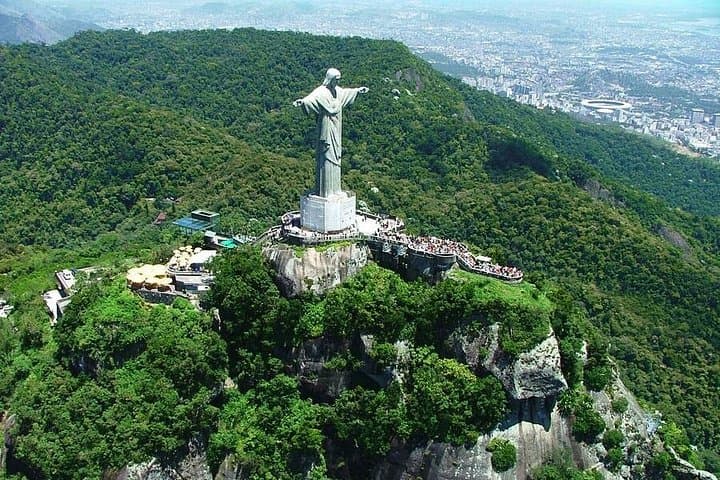
You step out of a minivan onto a pulsing, sunlit ridge and Rio unfurls beneath you—harbor glittering, favela rooftops stacked like bricks, and the Atlantic rimmed by sand. The first climb is not a hike but a move through clouds: a 20-minute drive up the Paineiras route, through the Tijuca Forest, to Corcovado where the Christ the Redeemer statue looks out from roughly 710 meters above sea level.
Verified experiences and guided adventures in the surrounding area.
Operated by Rio Carioca Tour Ltda · Rio de Janeiro, Rio de Janeiro
You step out of a minivan onto a pulsing, sunlit ridge and Rio unfurls beneath you—harbor glittering, favela rooftops stacked like bricks, and the Atlantic rimmed by sand. The first climb is not a hike but a move through clouds: a 20-minute drive up the Paineiras route, through the Tijuca Forest, to Corcovado where the Christ the Redeemer statue looks out from roughly 710 meters above sea level.
Corcovado’s granite backbone and the surrounding Atlantic Forest tell a layered story: 19th-century reforestation efforts rebuilt what coffee plantations had erased, and the 30‑meter statue—completed in 1931—became a modern symbol atop volcanic-era bedrock carved by weather and time.
Later, the cable car two-stage ascent to Sugarloaf (Urca at ~224 m, Sugarloaf summit ~395 m) offers a different perspective: granite domes polished by wind, seabirds wheeling over Guanabara Bay, and the city’s colonial and contemporary edges meeting along the shore.
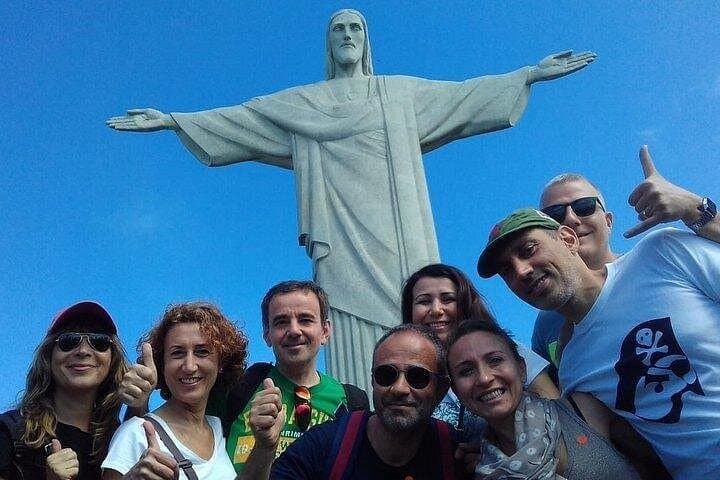
Culturally, both sites attract locals and visitors for prayer, selfies, and sunset watches; queues are part of the ritual. Expect paved viewpoints, stair sections near the statue, and short boardwalks at both summits. Photography is prime—bring a zoom lens for panoramic compression—and keep an eye on the weather: visibility can change in minutes.
Practical guidance: dress in layers, wear sturdy walking shoes for steps and wet stone, and budget roughly five hours for pickup, transfers, time at both monuments, and return. Carry water, ID for ticketing, and plan early or late in the day to avoid peak crowds and midday heat.
The tour runs about five hours total including transfers, time at Corcovado and Sugarloaf, and return to the pickup point.
Yes; the itinerary is rated easy with vehicle transfers and short walks, though there are stairs at viewpoints and some walking on uneven surfaces.
Yes—this tour includes admission to Christ the Redeemer and the Sugarloaf cable car as described in the inclusions.
Fog and rain can limit views; operators may adjust the itinerary order or advise on rescheduling depending on conditions and cancellation policy.
Rio Carioca Tour Ltda operates guided outdoor trips and adventures with an emphasis on safety, stewardship, and memorable experiences.

You step out of a minivan onto a pulsing, sunlit ridge and Rio unfurls beneath you—harbor glittering, favela rooftops stacked like bricks, and the Atlantic rimmed by sand. The first climb is not a hike but a move through clouds: a 20-minute drive up the Paineiras route, through the Tijuca Forest, to Corcovado where the Christ the Redeemer statue looks out from roughly 710 meters above sea level.
You step out of a minivan onto a pulsing, sunlit ridge and Rio unfurls beneath you—harbor glittering, favela rooftops stacked like bricks, and the Atlantic rimmed by sand. The first climb is not a hike but a move through clouds: a 20-minute drive up the Paineiras route, through the Tijuca Forest, to Corcovado where the Christ the Redeemer statue looks out from roughly 710 meters above sea level.
Corcovado’s granite backbone and the surrounding Atlantic Forest tell a layered story: 19th-century reforestation efforts rebuilt what coffee plantations had erased, and the 30‑meter statue—completed in 1931—became a modern symbol atop volcanic-era bedrock carved by weather and time.
Later, the cable car two-stage ascent to Sugarloaf (Urca at ~224 m, Sugarloaf summit ~395 m) offers a different perspective: granite domes polished by wind, seabirds wheeling over Guanabara Bay, and the city’s colonial and contemporary edges meeting along the shore.
Culturally, both sites attract locals and visitors for prayer, selfies, and sunset watches; queues are part of the ritual. Expect paved viewpoints, stair sections near the statue, and short boardwalks at both summits. Photography is prime—bring a zoom lens for panoramic compression—and keep an eye on the weather: visibility can change in minutes.
Practical guidance: dress in layers, wear sturdy walking shoes for steps and wet stone, and budget roughly five hours for pickup, transfers, time at both monuments, and return. Carry water, ID for ticketing, and plan early or late in the day to avoid peak crowds and midday heat.