THE ADVENTURE COLLECTIVE® · Independent discovery and booking for outdoor travel

Explore two of Kathmandu’s most revered Buddhist sites — Swayambhunath and Boudhanath — on a focused half-day private tour. Expect steep temple steps, panoramic valley views, and close encounters with living Tibetan Buddhist traditions.
Explore two of Kathmandu’s most revered Buddhist sites — Swayambhunath and Boudhanath — on a focused half-day private tour. Expect steep temple steps, panoramic valley views, and close encounters with living Tibetan Buddhist traditions.
The walk begins on a hill where prayer flags snap like small proclamations in the wind and the valley opens below — Kathmandu’s human pulse visible between temple rooftops and terraced fields.
Verified experiences and guided adventures in the surrounding area.
Operated by AM Travels and Tours · Kathmandu, Bagmati Province
The walk begins on a hill where prayer flags snap like small proclamations in the wind and the valley opens below — Kathmandu’s human pulse visible between temple rooftops and terraced fields.
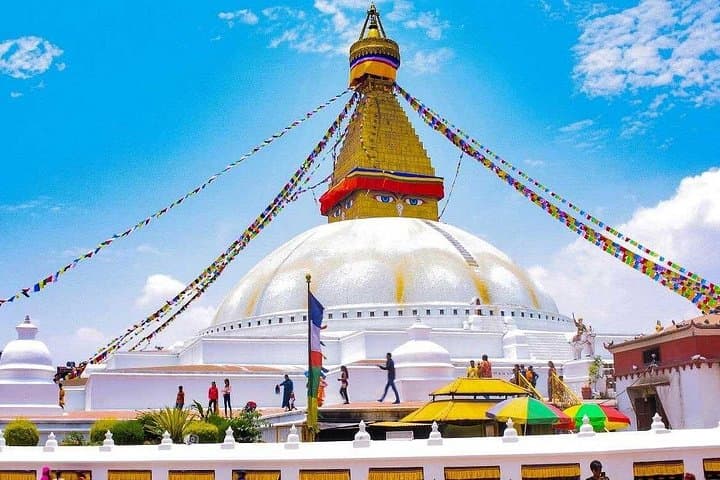
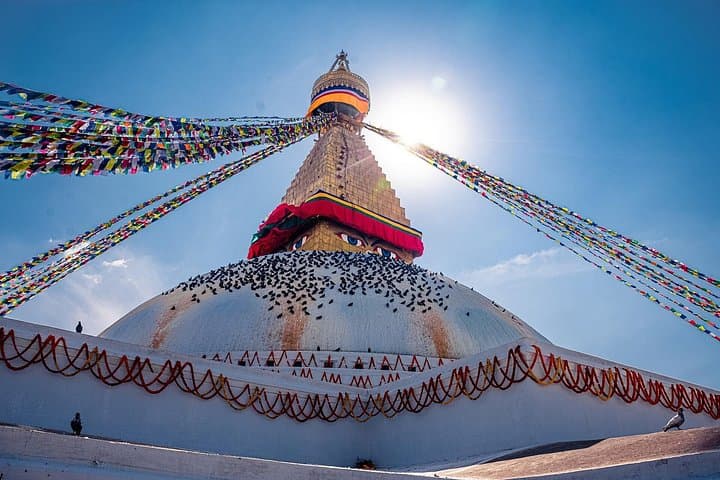
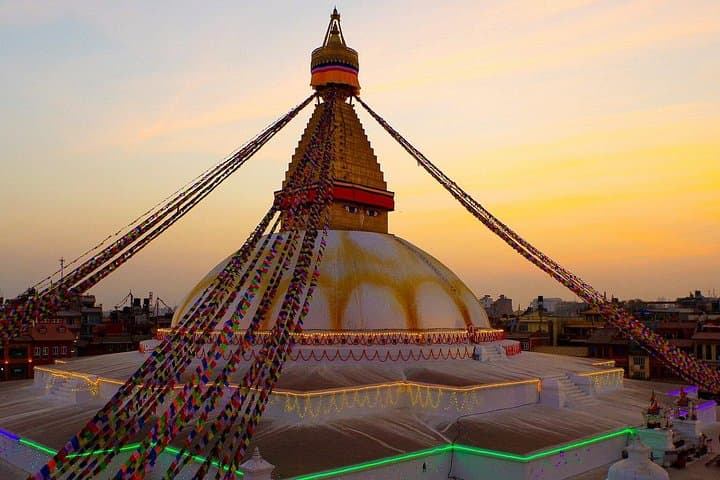
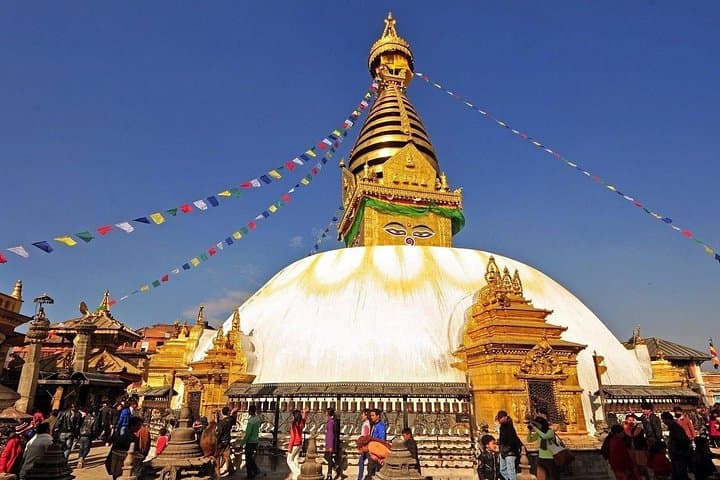
Swayambhunath (Monkey Temple) crowns a steep rise west of the city; climb its stone steps past spinning prayer wheels and cheeky macaques to stand beneath the painted eyes of the stupa and take in a wide, breathing view of the valley. Boudhanath, to the northeast, is a broad white dome ringed by monasteries and the rhythmic circling of circumambulating pilgrims. The two sites are linked by living culture: Tibetan Buddhist practices, colorful mantras, and stalls selling yak butter lamps and prayer beads.
Historically both compounds are focal points for Tibetan and Newar communities — Swayambhu’s origin stories date back over a millennium, while Boudha grew in importance after Tibetan refugees arrived in the 1950s. Geologically, the valley sits in a bowl of mid-hills carved by ancient rivers; wind and altitude shape the light that hits the stupas and the daily smoke of incense.
Practical guidance: allow three hours, wear modest clothing that covers shoulders and knees, and bring a pair of comfortable shoes for uneven steps. Respect local rituals — walk clockwise around stupas, avoid pointing feet at shrines, and ask before photographing monks. Morning tours offer cooler temperatures, softer light for photos, and fewer visitors. Your guide provides cultural context, arranges hotel pickup, and can advise on buying ethically made handicrafts. Hydrate, carry small cash for donations, and move slowly — these sites reward attention more than speed.
No entrance fees are generally not required for the stupas themselves, though some monastery museums or special exhibits may charge a small admission; confirm with your guide.
Photography is allowed in most outdoor areas but always ask before photographing monks or inside prayer halls; flash may be prohibited.
Yes — the tour is family-friendly, though Swayambhunath’s stair climb may be strenuous for those with limited mobility; private transfers minimize walking distance.
Tipping is customary but discretionary — a modest tip for good service is appreciated by guides and drivers.
AM Travels and Tours operates guided outdoor trips and adventures with an emphasis on safety, stewardship, and memorable experiences.
The walk begins on a hill where prayer flags snap like small proclamations in the wind and the valley opens below — Kathmandu’s human pulse visible between temple rooftops and terraced fields.
The walk begins on a hill where prayer flags snap like small proclamations in the wind and the valley opens below — Kathmandu’s human pulse visible between temple rooftops and terraced fields.
Swayambhunath (Monkey Temple) crowns a steep rise west of the city; climb its stone steps past spinning prayer wheels and cheeky macaques to stand beneath the painted eyes of the stupa and take in a wide, breathing view of the valley. Boudhanath, to the northeast, is a broad white dome ringed by monasteries and the rhythmic circling of circumambulating pilgrims. The two sites are linked by living culture: Tibetan Buddhist practices, colorful mantras, and stalls selling yak butter lamps and prayer beads.
Historically both compounds are focal points for Tibetan and Newar communities — Swayambhu’s origin stories date back over a millennium, while Boudha grew in importance after Tibetan refugees arrived in the 1950s. Geologically, the valley sits in a bowl of mid-hills carved by ancient rivers; wind and altitude shape the light that hits the stupas and the daily smoke of incense.
Practical guidance: allow three hours, wear modest clothing that covers shoulders and knees, and bring a pair of comfortable shoes for uneven steps. Respect local rituals — walk clockwise around stupas, avoid pointing feet at shrines, and ask before photographing monks. Morning tours offer cooler temperatures, softer light for photos, and fewer visitors. Your guide provides cultural context, arranges hotel pickup, and can advise on buying ethically made handicrafts. Hydrate, carry small cash for donations, and move slowly — these sites reward attention more than speed.