THE ADVENTURE COLLECTIVE® · Independent discovery and booking for outdoor travel

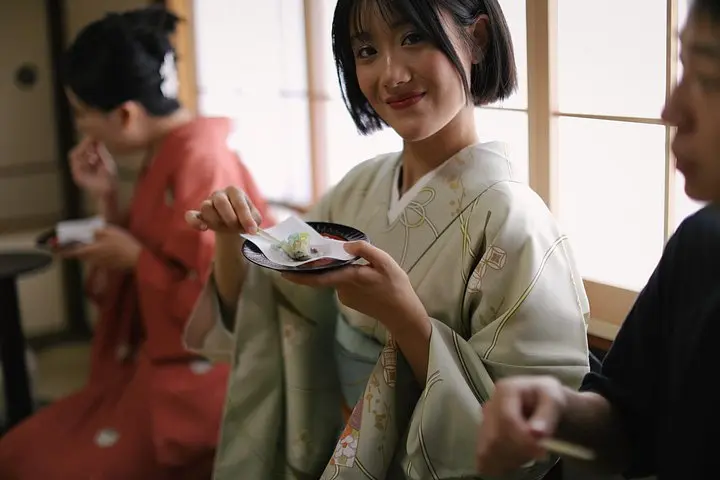
Dress in a traditional kimono, wander near Kinkaku-ji for photos, then return for an authentic matcha tea ceremony in a small Kyoto tea room. This half-day cultural experience combines hands-on dressing with formal tea instruction and translations in English and Mandarin.
Dress in a traditional kimono, wander near Kinkaku-ji for photos, then return for an authentic matcha tea ceremony in a small Kyoto tea room. This half-day cultural experience combines hands-on dressing with formal tea instruction and translations in English and Mandarin.
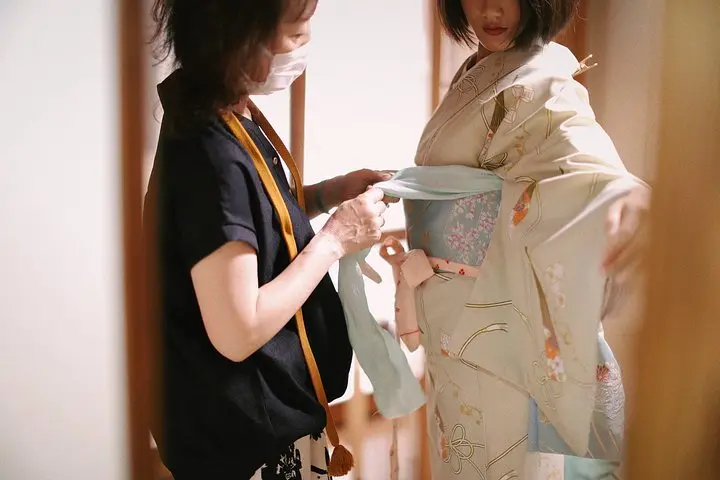
You step from a narrow Kyoto alley into a tidy tea-room where fabric hangs like careful punctuation. A certified kimono dresser moves with practiced economy — folding, tying, smoothing — and the city outside thins to a rhythm of clogs on flagstone and the distant bells of temple grounds.
Verified experiences and guided adventures in the surrounding area.
Operated by SHIUN AN · Kyoto, Kyoto Prefecture
You step from a narrow Kyoto alley into a tidy tea-room where fabric hangs like careful punctuation. A certified kimono dresser moves with practiced economy — folding, tying, smoothing — and the city outside thins to a rhythm of clogs on flagstone and the distant bells of temple grounds.
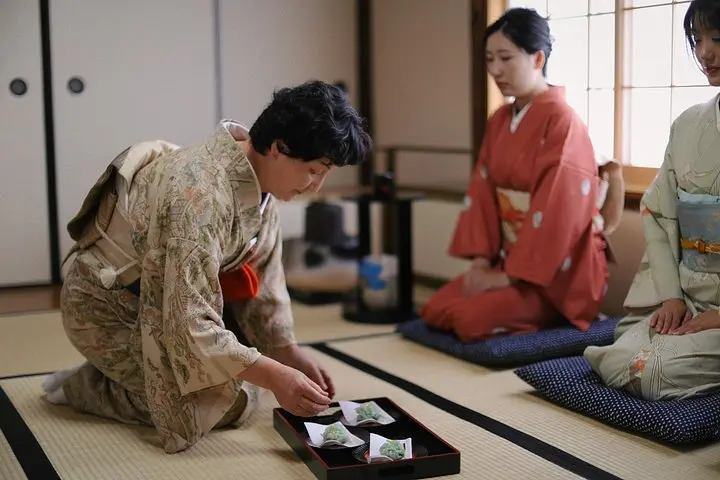
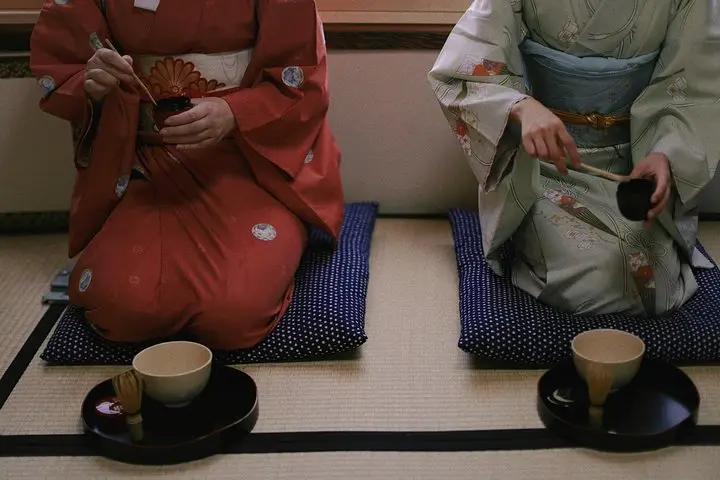
This half-day experience pairs traditional dress with a formal matcha ceremony in a neighborhood punctuated by Daitoku-ji and Kinkaku-ji. Kimonos in the host’s personal collection reflect classic weaving techniques; the tea ceremony follows chanoyu protocols refined in Kyoto during the Muromachi and Momoyama periods and often taught through lineages dating back to Sen no Rikyū.
Kyoto sits in a shallow basin ringed by low hills of metamorphic rock and river terraces, so short walks from the dressing room take you past temple gates, mossy gardens and reflective ponds—ideal for photos in full costume. The tea portion is conducted in Japanese with English and Mandarin translations and includes matcha and seasonal sweets.
Practical details: the program runs about five hours; guests who dress at 09:00 return at 12:45, those at 10:00 return at 13:45. Organizers request gender and height when booking to prepare appropriate garments. Public transport reaches nearby stops; footwear is provided (tabi socks and sandals), but bring easy-to-change shoes and modest undergarments. Respect temple rules when photographing and avoid stepping on moss or garden boundaries. Expect gentle walking, culturally formal seating, and intimate instruction — a clear window into Kyoto’s craft traditions.
The operator requests gender and height when booking to prepare garments; availability for men depends on the provider’s wardrobe—check the listing or ask directly.
Yes—participants are free to go outside for photos and short walks near Daitoku-ji and Kinkaku-ji, but avoid uneven or muddy routes and be mindful of temple rules.
Yes—traditional tabi socks and sandals (zori) are included, but bring easy-to-remove shoes for arrival and departure.
Inform the operator via the booking’s special requirements field; the sweets served are seasonal and may contain common allergens, and the host can advise or adapt when possible.
SHIUN AN operates guided outdoor trips and adventures with an emphasis on safety, stewardship, and memorable experiences.
You step from a narrow Kyoto alley into a tidy tea-room where fabric hangs like careful punctuation. A certified kimono dresser moves with practiced economy — folding, tying, smoothing — and the city outside thins to a rhythm of clogs on flagstone and the distant bells of temple grounds.
You step from a narrow Kyoto alley into a tidy tea-room where fabric hangs like careful punctuation. A certified kimono dresser moves with practiced economy — folding, tying, smoothing — and the city outside thins to a rhythm of clogs on flagstone and the distant bells of temple grounds.
This half-day experience pairs traditional dress with a formal matcha ceremony in a neighborhood punctuated by Daitoku-ji and Kinkaku-ji. Kimonos in the host’s personal collection reflect classic weaving techniques; the tea ceremony follows chanoyu protocols refined in Kyoto during the Muromachi and Momoyama periods and often taught through lineages dating back to Sen no Rikyū.
Kyoto sits in a shallow basin ringed by low hills of metamorphic rock and river terraces, so short walks from the dressing room take you past temple gates, mossy gardens and reflective ponds—ideal for photos in full costume. The tea portion is conducted in Japanese with English and Mandarin translations and includes matcha and seasonal sweets.
Practical details: the program runs about five hours; guests who dress at 09:00 return at 12:45, those at 10:00 return at 13:45. Organizers request gender and height when booking to prepare appropriate garments. Public transport reaches nearby stops; footwear is provided (tabi socks and sandals), but bring easy-to-change shoes and modest undergarments. Respect temple rules when photographing and avoid stepping on moss or garden boundaries. Expect gentle walking, culturally formal seating, and intimate instruction — a clear window into Kyoto’s craft traditions.