THE ADVENTURE COLLECTIVE® · Independent discovery and booking for outdoor travel

Leave Corralejo for four hours of catamaran sailing, snorkeling and paddleboarding around Isla de Lobos, capped by a seafood paella onboard. This short excursion blends active water time with coastal scenery and local flavors.
Leave Corralejo for four hours of catamaran sailing, snorkeling and paddleboarding around Isla de Lobos, capped by a seafood paella onboard. This short excursion blends active water time with coastal scenery and local flavors.
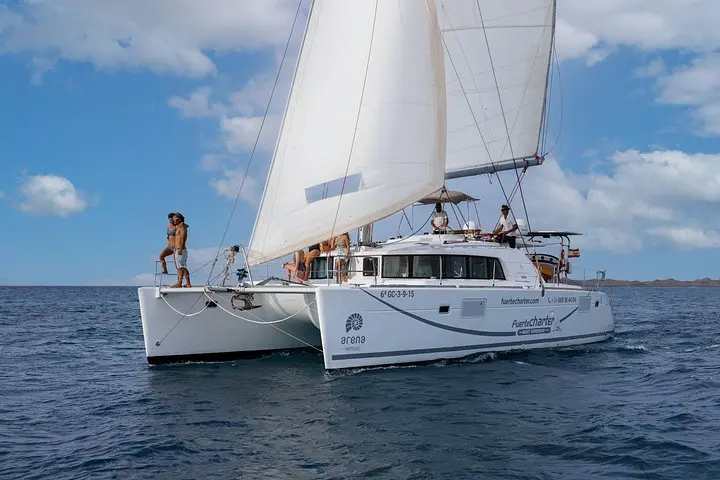
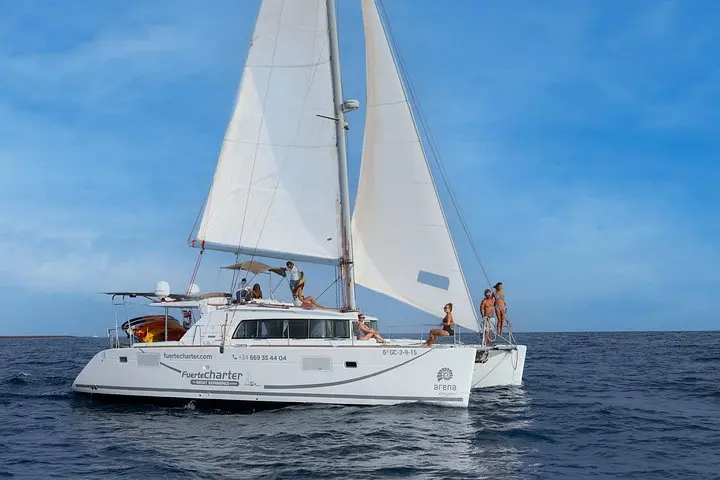
The gangway folds up and the Atlantic breathes across your face—salty, cool, impatient. A low-slung catamaran slides out of Corralejo harbor, its twin hulls humming as the coastline of Fuerteventura recedes. Within minutes you are threading El Río, the narrow channel that separates Fuerteventura from Isla de Lobos. The island rises from the sea like a quiet volcano: cliffs, a pale crescent of sand at Playa de la Concha, and a squat lighthouse that watches the channel like an old helmsman.
Verified experiences and guided adventures in the surrounding area.
Operated by FuerteCharter · Corralejo, Las Palmas
The gangway folds up and the Atlantic breathes across your face—salty, cool, impatient. A low-slung catamaran slides out of Corralejo harbor, its twin hulls humming as the coastline of Fuerteventura recedes. Within minutes you are threading El Río, the narrow channel that separates Fuerteventura from Isla de Lobos. The island rises from the sea like a quiet volcano: cliffs, a pale crescent of sand at Playa de la Concha, and a squat lighthouse that watches the channel like an old helmsman.
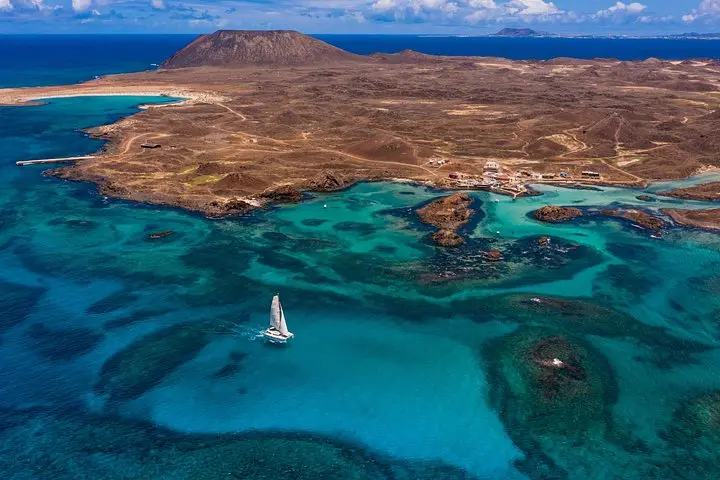
Lobos earned its name from the marine mammals that once hauled onto these shores—lobos marinos, or monk seals—though today the island is valued more for seabirds and sheltered coves than for pinniped haul-outs. Geologically it's young: basalt flows and tuff cone remnants from thousands of years of volcanic activity shape the contour of the islet and its cratered ridge. The island is protected as a natural reserve, so the script here is conservation-first: limited landings, controlled moorings and a strict leave-no-trace ethic.
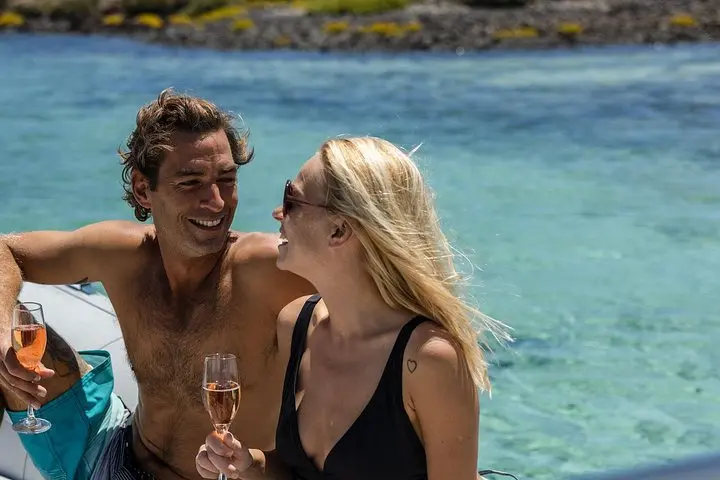
This half-day tour is built for motion and ease. The roughly four-hour outing threads three main acts: the short crossing, an anchored stop at Playa de la Concha for snorkeling, paddleboarding and kayak play, and a slow sail that skirts the old port, passes the lighthouse and circles the volcanic rim. The operator lays out snorkeling gear, paddleboards and kayaks, and serves a straightforward seafood paella with cava and fruit—local flavors that taste of salt and sun.
Practicalities are simple but meaningful. The total time is about four hours; physical demand is low but expect short swims and wet steps getting on and off boards and into the dinghy. The boat holds a dozen or so guests—small enough for personal attention, large enough to feel social. Free pick-up is offered from Corralejo accommodations, and cancellations are refundable up to 24 hours ahead.
For photographers, the north-facing arc of La Concha catches clean light; the lighthouse and the volcanic lip make excellent silhouettes on the return leg. Bring reef-safe sunscreen, a light windbreaker and shoes that can get wet. If you are prone to seasickness, take medication before boarding—the crossing is short but the swell can pick up off the open Atlantic.
This trip is as much about the quick, tactile pleasures of being at sea—wind, spray, the hum of the catamaran—as it is about a single destination. Lobos resists long stays; it rewards attentive visits. In four hours you get landscape, wildlife glimpses, active water time and a meal that sets you back onshore feeling like you’ve properly left the mainland behind, if only for a morning or an afternoon.
Basic swimming ability is recommended for snorkeling and water activities; non-swimmers can still participate with life jackets and guided assistance.
Yes—seafood paella is served onboard along with soft drinks, beer, white and red wine, water and cava for toasting.
Yes—the tour includes snorkel gear, kayaks and paddleboards with instruction from the crew.
Free pick-up points are available in Corralejo; exact pickup location and time are confirmed after booking.
Children are welcome; the trip is labeled physically easy, but parents should supervise water activities and note that transfers involve small ladders and dinghies.
Full refund is available if you cancel at least 24 hours before departure; cancellations within 24 hours are non-refundable.
FuerteCharter operates guided outdoor trips and adventures with an emphasis on safety, stewardship, and memorable experiences.
The gangway folds up and the Atlantic breathes across your face—salty, cool, impatient. A low-slung catamaran slides out of Corralejo harbor, its twin hulls humming as the coastline of Fuerteventura recedes. Within minutes you are threading El Río, the narrow channel that separates Fuerteventura from Isla de Lobos. The island rises from the sea like a quiet volcano: cliffs, a pale crescent of sand at Playa de la Concha, and a squat lighthouse that watches the channel like an old helmsman.
The gangway folds up and the Atlantic breathes across your face—salty, cool, impatient. A low-slung catamaran slides out of Corralejo harbor, its twin hulls humming as the coastline of Fuerteventura recedes. Within minutes you are threading El Río, the narrow channel that separates Fuerteventura from Isla de Lobos. The island rises from the sea like a quiet volcano: cliffs, a pale crescent of sand at Playa de la Concha, and a squat lighthouse that watches the channel like an old helmsman.
Lobos earned its name from the marine mammals that once hauled onto these shores—lobos marinos, or monk seals—though today the island is valued more for seabirds and sheltered coves than for pinniped haul-outs. Geologically it's young: basalt flows and tuff cone remnants from thousands of years of volcanic activity shape the contour of the islet and its cratered ridge. The island is protected as a natural reserve, so the script here is conservation-first: limited landings, controlled moorings and a strict leave-no-trace ethic.
This half-day tour is built for motion and ease. The roughly four-hour outing threads three main acts: the short crossing, an anchored stop at Playa de la Concha for snorkeling, paddleboarding and kayak play, and a slow sail that skirts the old port, passes the lighthouse and circles the volcanic rim. The operator lays out snorkeling gear, paddleboards and kayaks, and serves a straightforward seafood paella with cava and fruit—local flavors that taste of salt and sun.
Practicalities are simple but meaningful. The total time is about four hours; physical demand is low but expect short swims and wet steps getting on and off boards and into the dinghy. The boat holds a dozen or so guests—small enough for personal attention, large enough to feel social. Free pick-up is offered from Corralejo accommodations, and cancellations are refundable up to 24 hours ahead.
For photographers, the north-facing arc of La Concha catches clean light; the lighthouse and the volcanic lip make excellent silhouettes on the return leg. Bring reef-safe sunscreen, a light windbreaker and shoes that can get wet. If you are prone to seasickness, take medication before boarding—the crossing is short but the swell can pick up off the open Atlantic.
This trip is as much about the quick, tactile pleasures of being at sea—wind, spray, the hum of the catamaran—as it is about a single destination. Lobos resists long stays; it rewards attentive visits. In four hours you get landscape, wildlife glimpses, active water time and a meal that sets you back onshore feeling like you’ve properly left the mainland behind, if only for a morning or an afternoon.