THE ADVENTURE COLLECTIVE® · Independent discovery and booking for outdoor travel

Spend a focused half day outside Chiang Mai visiting a Karen (Kayan) community and the Elephant POOPOOPAPER Park. This private tour pairs cultural exchange with an eco-friendly paper-making demo and orchid gardens.
Spend a focused half day outside Chiang Mai visiting a Karen (Kayan) community and the Elephant POOPOOPAPER Park. This private tour pairs cultural exchange with an eco-friendly paper-making demo and orchid gardens.
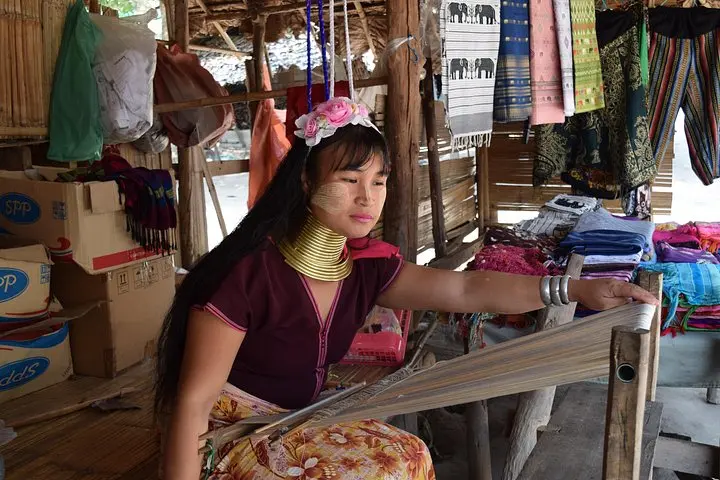
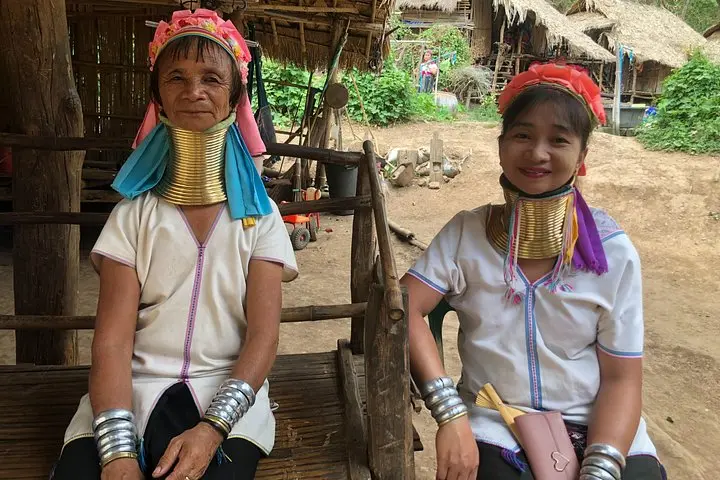
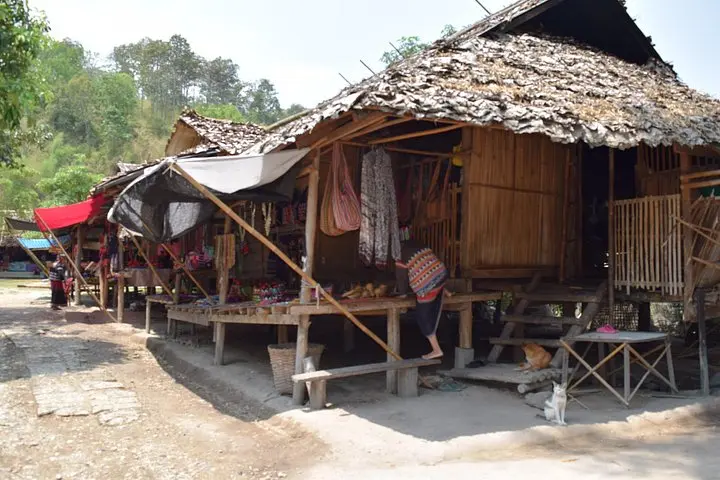
You step out of an air-conditioned van onto a dusty lane framed by teak and tamarind, the Doi Suthep skyline leaning like a watchful neighbor. The morning smells of brewed coffee and damp earth; voices from a nearby village drift across a courtyard where women in traditional dress arrange beads and woven cloth. This half-day loop through the hills north of Chiang Mai moves quickly but intentionally — a close look at living culture followed by a hands-on eco demonstration.
Verified experiences and guided adventures in the surrounding area.
Operated by AP Good@travel · Chiang Mai, Chiang Mai Province
You step out of an air-conditioned van onto a dusty lane framed by teak and tamarind, the Doi Suthep skyline leaning like a watchful neighbor. The morning smells of brewed coffee and damp earth; voices from a nearby village drift across a courtyard where women in traditional dress arrange beads and woven cloth. This half-day loop through the hills north of Chiang Mai moves quickly but intentionally — a close look at living culture followed by a hands-on eco demonstration.
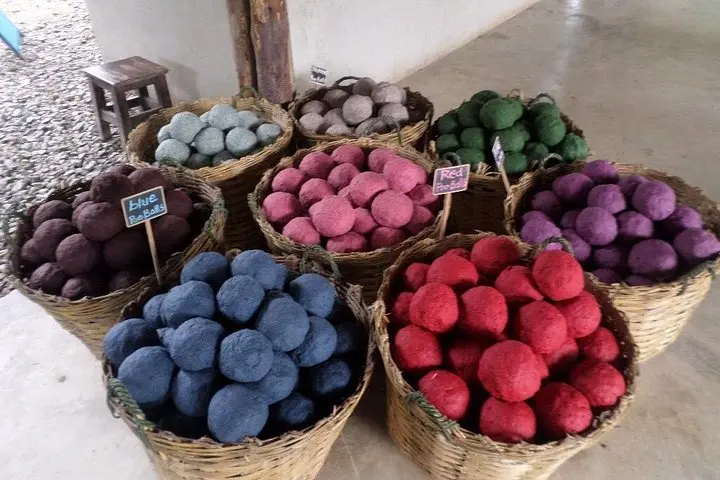
The visit introduces visitors to a Karen (Kayan) community whose distinctive neck rings and textile crafts reflect migration histories from across the Thai–Myanmar border. Nearby, the Elephant POOPOOPAPER Park demonstrates an unlikely alchemy: cleaned, boiled and processed elephant dung transformed into durable recycled paper and stationery. The park sits in the fertile Mae Rim outskirts where alluvial soils and mountain runoff feed small orchards and orchid displays that thrive in the valley’s mild microclimate.
Expect guided, family-run encounters rather than staged performances; guides explain weaving techniques, regional dress meanings, and the ecological logic behind poo-paper production. Practicalities: the private tour lasts about 3–4 hours with hotel pickup inside Chiang Mai, bottled water provided, and short walks on mostly flat village lanes.
Prepare for sun and humidity—light layers, sun protection and respectful clothing for cultural sites. Carry small cash for purchases and donations; treat photography sensitively and ask before shooting portraits. The pace is easy, the insights immediate, and the combination of culture plus low-impact recycling makes for a memorable morning that connects craft, community, and conservation.
The private half-day tour runs about 3–4 hours with hotel pickup and drop-off inside Chiang Mai city limits.
Most visits are family-run and offer genuine demonstrations of crafts and daily life; visitors should follow guides’ instructions and ask before photographing or touching items.
Yes — the park usually includes a hands-on session where you help process and press a small sheet to take home as a bookmark or souvenir.
Yes; the experience is family-friendly but infants should sit on laps during transit and parents should supervise interactions in villages and the park.
AP Good@travel operates guided outdoor trips and adventures with an emphasis on safety, stewardship, and memorable experiences.
You step out of an air-conditioned van onto a dusty lane framed by teak and tamarind, the Doi Suthep skyline leaning like a watchful neighbor. The morning smells of brewed coffee and damp earth; voices from a nearby village drift across a courtyard where women in traditional dress arrange beads and woven cloth. This half-day loop through the hills north of Chiang Mai moves quickly but intentionally — a close look at living culture followed by a hands-on eco demonstration.
You step out of an air-conditioned van onto a dusty lane framed by teak and tamarind, the Doi Suthep skyline leaning like a watchful neighbor. The morning smells of brewed coffee and damp earth; voices from a nearby village drift across a courtyard where women in traditional dress arrange beads and woven cloth. This half-day loop through the hills north of Chiang Mai moves quickly but intentionally — a close look at living culture followed by a hands-on eco demonstration.
The visit introduces visitors to a Karen (Kayan) community whose distinctive neck rings and textile crafts reflect migration histories from across the Thai–Myanmar border. Nearby, the Elephant POOPOOPAPER Park demonstrates an unlikely alchemy: cleaned, boiled and processed elephant dung transformed into durable recycled paper and stationery. The park sits in the fertile Mae Rim outskirts where alluvial soils and mountain runoff feed small orchards and orchid displays that thrive in the valley’s mild microclimate.
Expect guided, family-run encounters rather than staged performances; guides explain weaving techniques, regional dress meanings, and the ecological logic behind poo-paper production. Practicalities: the private tour lasts about 3–4 hours with hotel pickup inside Chiang Mai, bottled water provided, and short walks on mostly flat village lanes.
Prepare for sun and humidity—light layers, sun protection and respectful clothing for cultural sites. Carry small cash for purchases and donations; treat photography sensitively and ask before shooting portraits. The pace is easy, the insights immediate, and the combination of culture plus low-impact recycling makes for a memorable morning that connects craft, community, and conservation.