THE ADVENTURE COLLECTIVE® · Independent discovery and booking for outdoor travel

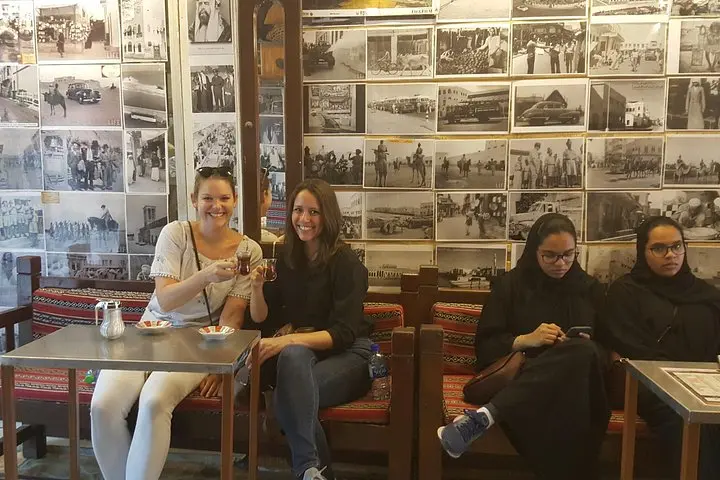
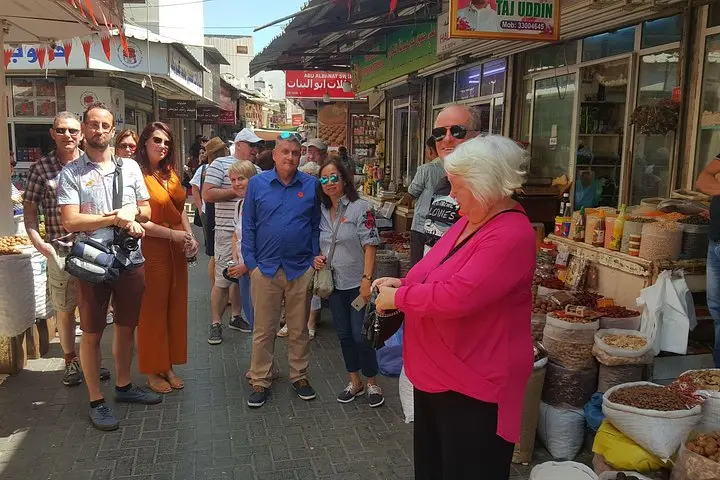
Explore four hours of Manama’s contrasts: the sweeping interior of Al‑Fateh Mosque, 4,000 years of history at the National Museum, a photo stop at Bahrain Fort, and a stroll through Manama’s old souq with a traditional cup of tea.
Explore four hours of Manama’s contrasts: the sweeping interior of Al‑Fateh Mosque, 4,000 years of history at the National Museum, a photo stop at Bahrain Fort, and a stroll through Manama’s old souq with a traditional cup of tea.
You step out of your air‑conditioned minivan into a bright, gypsum‑white morning in Manama, where the scent of cardamom tea mixes with sea salt from the nearby Gulf. The city pushes modern glass and concrete up against low stone markets; this tour threads you through both, moving from the hush of an immense mosque to the compact bustle of the old souq.
Verified experiences and guided adventures in the surrounding area.
Operated by Bahraintours Guide · Manama, Capital Governorate
You step out of your air‑conditioned minivan into a bright, gypsum‑white morning in Manama, where the scent of cardamom tea mixes with sea salt from the nearby Gulf. The city pushes modern glass and concrete up against low stone markets; this tour threads you through both, moving from the hush of an immense mosque to the compact bustle of the old souq.
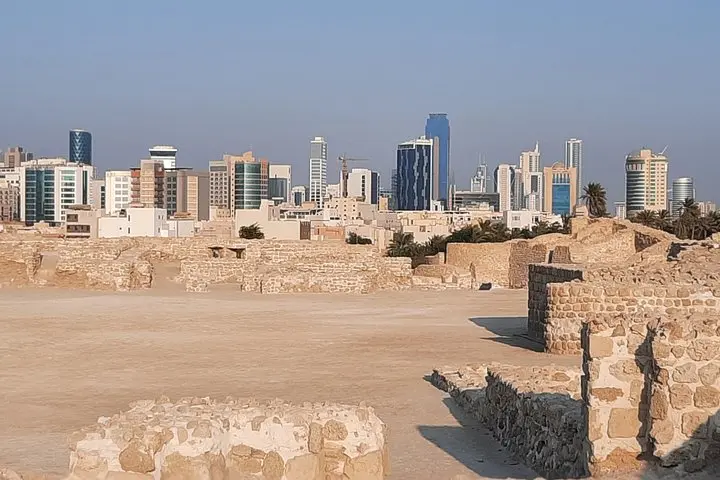
Bahrain’s story is layered: the island was a trading hub of the ancient Dilmun civilization and later a pearling and merchant center. The Bahrain National Museum lays out that 4,000‑year arc in clear displays, while Qal'at al‑Bahrain (Bahrain Fort) shows the island’s strategic geology—limestone outcrops and reclaimed flats that supported human settlement for millennia. Al‑Fateh Mosque, one of the largest in the country, demonstrates contemporary Bahraini identity and modern Islamic architecture.
Culturally, expect direct warmth: guides explain traditions, souk vendors hand you spice samples, and a cup of shay (tea) pauses the pace.
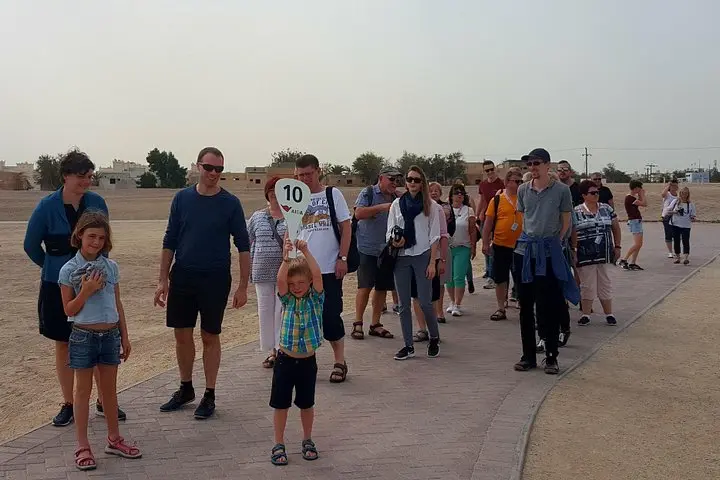
Practical guidance: the tour runs about four hours with hotel pickup and transport in an air‑conditioned vehicle; it involves standing and short walks on uneven surfaces at the fort and through narrow souq alleys. Dress modestly for mosque visits (shoulders and knees covered); bring sun protection and a refillable water bottle—the Bahraini sun is direct most of the year. Check opening days in advance—museums and places of worship observe prayer schedules and weekday closures—and keep a camera ready but be respectful of signs and people when photographing.
The tour lasts about four hours and includes hotel pickup, an inside visit to Al‑Fateh Mosque, Bahrain National Museum, a stop at Bahrain Bay, a photo stop at Bahrain Fort, and a walk in Manama Souq with tea.
Admission to the National Museum is included; other stops are generally photo stops or outdoor visits—confirm with your operator for any updates.
Yes—the National Museum is closed on Tuesdays; mosques may be closed to tourists during Friday prayers, so check the schedule before booking.
Infants and small children can use strollers, but souq aisles and some fort areas are narrow and uneven; children must be accompanied by an adult.
Bahraintours Guide operates guided outdoor trips and adventures with an emphasis on safety, stewardship, and memorable experiences.
You step out of your air‑conditioned minivan into a bright, gypsum‑white morning in Manama, where the scent of cardamom tea mixes with sea salt from the nearby Gulf. The city pushes modern glass and concrete up against low stone markets; this tour threads you through both, moving from the hush of an immense mosque to the compact bustle of the old souq.
You step out of your air‑conditioned minivan into a bright, gypsum‑white morning in Manama, where the scent of cardamom tea mixes with sea salt from the nearby Gulf. The city pushes modern glass and concrete up against low stone markets; this tour threads you through both, moving from the hush of an immense mosque to the compact bustle of the old souq.
Bahrain’s story is layered: the island was a trading hub of the ancient Dilmun civilization and later a pearling and merchant center. The Bahrain National Museum lays out that 4,000‑year arc in clear displays, while Qal'at al‑Bahrain (Bahrain Fort) shows the island’s strategic geology—limestone outcrops and reclaimed flats that supported human settlement for millennia. Al‑Fateh Mosque, one of the largest in the country, demonstrates contemporary Bahraini identity and modern Islamic architecture.
Culturally, expect direct warmth: guides explain traditions, souk vendors hand you spice samples, and a cup of shay (tea) pauses the pace.
Practical guidance: the tour runs about four hours with hotel pickup and transport in an air‑conditioned vehicle; it involves standing and short walks on uneven surfaces at the fort and through narrow souq alleys. Dress modestly for mosque visits (shoulders and knees covered); bring sun protection and a refillable water bottle—the Bahraini sun is direct most of the year. Check opening days in advance—museums and places of worship observe prayer schedules and weekday closures—and keep a camera ready but be respectful of signs and people when photographing.