THE ADVENTURE COLLECTIVE® · Independent discovery and booking for outdoor travel

Taste your way through Marrakech’s Medina on a guided half-day food walk. Sample pastries, soup, tajine, and street specialties while learning the history and rhythms of the souks.
Taste your way through Marrakech’s Medina on a guided half-day food walk. Sample pastries, soup, tajine, and street specialties while learning the history and rhythms of the souks.
You step from a narrow alley into Jemaa el-Fnaa and the city shifts around you — vendors’ calls thread through steam rising from soup pots, and the minaret of the Koutoubia watches the scene with calm geometry.
Verified experiences and guided adventures in the surrounding area.
Operated by MoroTrip · Marrakech, Marrakesh-Safi
You step from a narrow alley into Jemaa el-Fnaa and the city shifts around you — vendors’ calls thread through steam rising from soup pots, and the minaret of the Koutoubia watches the scene with calm geometry.
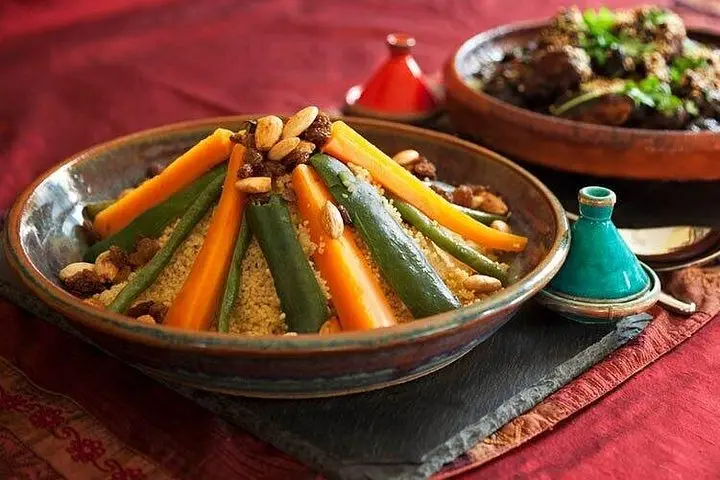
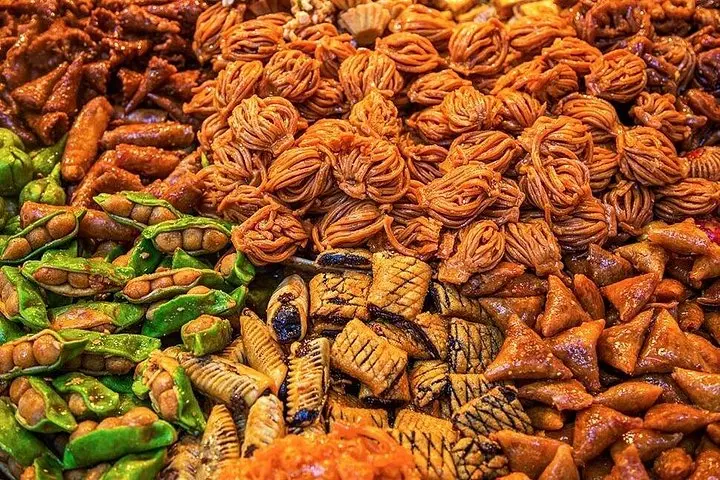
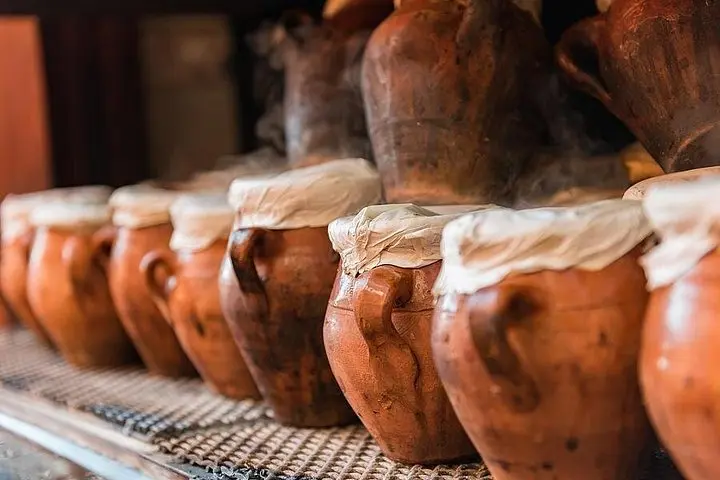
This half-day walking tour moves at the pace of the Medina: stop, taste, move on. Expect more than ten small samplings — sweet pastries dusted with sesame, honeyed pancakes, bowls of harira, and one of Morocco’s signature mains, from a tajine to couscous depending on the meal choice. A local guide opens doors to family-run stalls and rooftop viewpoints that most first-time visitors miss.
Marrakech’s layout reflects centuries of history: founded in the 11th century, reshaped by Almohad architecture in the 12th, with souks organized by craft. The city sits on the edge of the High Atlas’s plains, its red ochre walls born of local clays, and the spices you smell have trade-line origins across the Sahara and Mediterranean.
Practical note: the Medina is compact but crowded — comfortable shoes are essential, and small payments in dirham speed transactions. Time your visit for late afternoon to watch Jemaa el-Fnaa transform into an evening foodscape. Bring a refillable water bottle, and flag any dietary restrictions to the guide in advance; many small vendors can adapt portions but may use shared pans or spices.
This is a culinary walk designed for curious eaters who want cultural context with flavor. Expect lively streets, tactile markets, and a guided tasting that balances history, architecture, and honest, home-style Moroccan food.
Yes—guides can point to vegetarian options and most stops can accommodate common allergies if notified in advance; cross-contamination is possible at shared stalls.
Bring enough for small purchases, souvenirs, and tipping — roughly 200–500 MAD depending on shopping, plus the tour cost if paying locally.
Some areas of the Medina have narrow alleys and uneven surfaces; strollers can be used in parts but full accessibility is limited—check with the operator for specifics.
Tipping is customary: modest amounts for vendors if you enjoyed the tasting, and 10–15% or discretionary tip for the guide at tour’s end is appreciated.
MoroTrip operates guided outdoor trips and adventures with an emphasis on safety, stewardship, and memorable experiences.
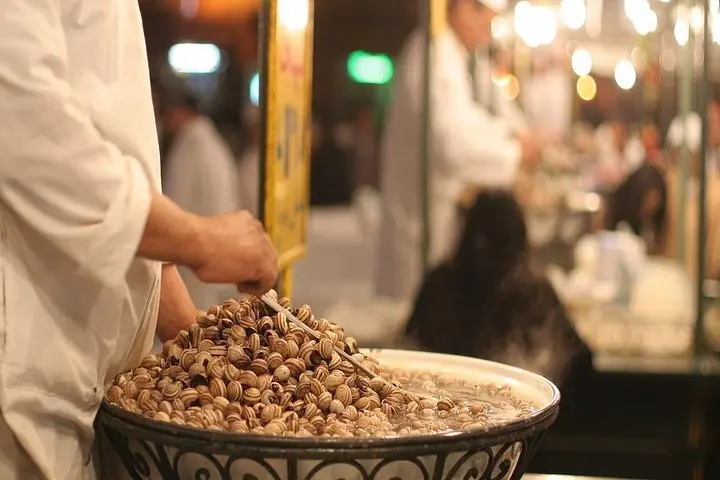
You step from a narrow alley into Jemaa el-Fnaa and the city shifts around you — vendors’ calls thread through steam rising from soup pots, and the minaret of the Koutoubia watches the scene with calm geometry.
You step from a narrow alley into Jemaa el-Fnaa and the city shifts around you — vendors’ calls thread through steam rising from soup pots, and the minaret of the Koutoubia watches the scene with calm geometry.
This half-day walking tour moves at the pace of the Medina: stop, taste, move on. Expect more than ten small samplings — sweet pastries dusted with sesame, honeyed pancakes, bowls of harira, and one of Morocco’s signature mains, from a tajine to couscous depending on the meal choice. A local guide opens doors to family-run stalls and rooftop viewpoints that most first-time visitors miss.
Marrakech’s layout reflects centuries of history: founded in the 11th century, reshaped by Almohad architecture in the 12th, with souks organized by craft. The city sits on the edge of the High Atlas’s plains, its red ochre walls born of local clays, and the spices you smell have trade-line origins across the Sahara and Mediterranean.
Practical note: the Medina is compact but crowded — comfortable shoes are essential, and small payments in dirham speed transactions. Time your visit for late afternoon to watch Jemaa el-Fnaa transform into an evening foodscape. Bring a refillable water bottle, and flag any dietary restrictions to the guide in advance; many small vendors can adapt portions but may use shared pans or spices.
This is a culinary walk designed for curious eaters who want cultural context with flavor. Expect lively streets, tactile markets, and a guided tasting that balances history, architecture, and honest, home-style Moroccan food.