THE ADVENTURE COLLECTIVE® · Independent discovery and booking for outdoor travel

Walk the Sacred Garden where the Mayadevi Temple marks the Buddha’s birth. This half-day guided tour blends archaeology, living monastic culture and quiet reflection — ideal for travelers seeking a focused cultural visit.
Walk the Sacred Garden where the Mayadevi Temple marks the Buddha’s birth. This half-day guided tour blends archaeology, living monastic culture and quiet reflection — ideal for travelers seeking a focused cultural visit.
You step through a low wooden gate and the air changes — a quiet that has held for centuries settles around brick ruins, lotus ponds and a single sacred pond where legend says Queen Mayadevi bathed before giving birth. The Mayadevi Temple sits at the heart of Lumbini’s Sacred Garden, ringed by international monasteries whose painted roofs and gardens give the site a calm, ordered feel.
Verified experiences and guided adventures in the surrounding area.
Operated by Fewa Trail Treks and Expedition Pvt Ltd · Lumbini, Lumbini Province
You step through a low wooden gate and the air changes — a quiet that has held for centuries settles around brick ruins, lotus ponds and a single sacred pond where legend says Queen Mayadevi bathed before giving birth. The Mayadevi Temple sits at the heart of Lumbini’s Sacred Garden, ringed by international monasteries whose painted roofs and gardens give the site a calm, ordered feel.
Archaeology here traces back to at least the 3rd century BCE when Emperor Ashoka marked the site with a pillar; the current temple shelters an ancient marker and a stone relief linked to the Buddha’s birth. The surrounding plains of the Terai are flat alluvium: low, fertile land that supported settlement and pilgrimage for millennia. Today the site blends living devotion and international reconstruction — peaceful meditation halls from Thailand, Japan and Germany sit within walking distance.
On a half-day guided tour expect a measured walk through the Sacred Garden, a visit to the Mayadevi Temple and its archaeological core, plus stops at nearby monasteries and the Lumbini Museum if included. Guides explain the layered history — pre-Buddhist settlement, Ashokan recognition and modern UNESCO designation — and point out cultural norms at shrines.
Practical notes: wear modest clothing, carry water, and schedule morning or late-afternoon visits to avoid mid-day heat and bus groups. Photography is usually permitted in external areas but restricted near certain relics. The site is wheelchair accessible and flat, making it a compact, low-effort cultural outing with deep historical resonance.
The private half-day tour runs about 3–4 hours, including pickup and short stops at nearby monasteries.
Yes — pathways within the Sacred Garden and provided transport options are wheelchair accessible.
There is a small admission fee to enter the Lumbini Sacred Garden area and archaeological core; confirm with your operator if it’s included.
Early morning or late afternoon offers cooler temperatures, fewer crowds and better light for photography.
Fewa Trail Treks and Expedition Pvt Ltd operates guided outdoor trips and adventures with an emphasis on safety, stewardship, and memorable experiences.
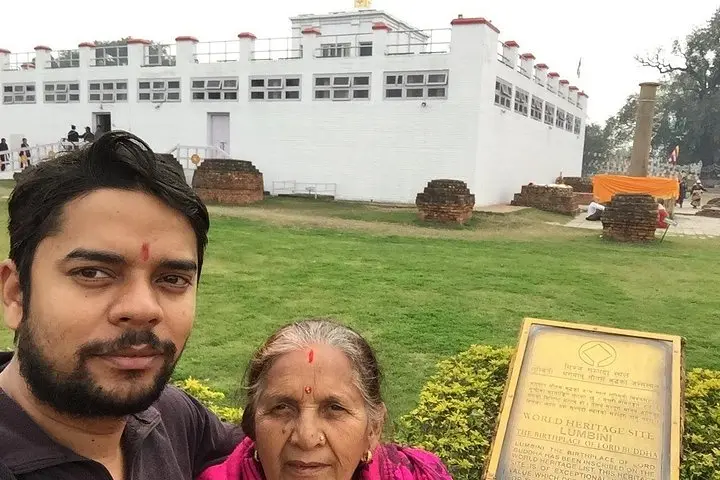
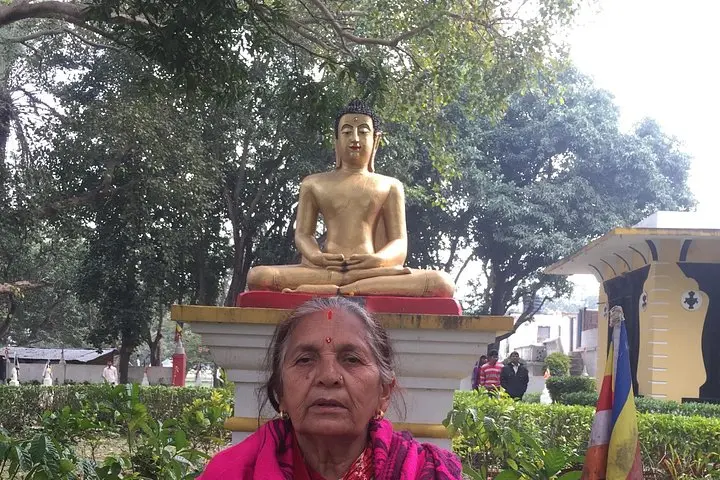
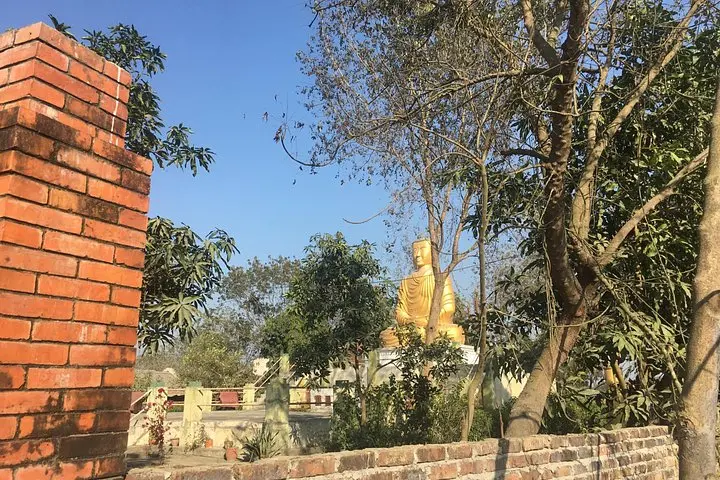
You step through a low wooden gate and the air changes — a quiet that has held for centuries settles around brick ruins, lotus ponds and a single sacred pond where legend says Queen Mayadevi bathed before giving birth. The Mayadevi Temple sits at the heart of Lumbini’s Sacred Garden, ringed by international monasteries whose painted roofs and gardens give the site a calm, ordered feel.
You step through a low wooden gate and the air changes — a quiet that has held for centuries settles around brick ruins, lotus ponds and a single sacred pond where legend says Queen Mayadevi bathed before giving birth. The Mayadevi Temple sits at the heart of Lumbini’s Sacred Garden, ringed by international monasteries whose painted roofs and gardens give the site a calm, ordered feel.
Archaeology here traces back to at least the 3rd century BCE when Emperor Ashoka marked the site with a pillar; the current temple shelters an ancient marker and a stone relief linked to the Buddha’s birth. The surrounding plains of the Terai are flat alluvium: low, fertile land that supported settlement and pilgrimage for millennia. Today the site blends living devotion and international reconstruction — peaceful meditation halls from Thailand, Japan and Germany sit within walking distance.
On a half-day guided tour expect a measured walk through the Sacred Garden, a visit to the Mayadevi Temple and its archaeological core, plus stops at nearby monasteries and the Lumbini Museum if included. Guides explain the layered history — pre-Buddhist settlement, Ashokan recognition and modern UNESCO designation — and point out cultural norms at shrines.
Practical notes: wear modest clothing, carry water, and schedule morning or late-afternoon visits to avoid mid-day heat and bus groups. Photography is usually permitted in external areas but restricted near certain relics. The site is wheelchair accessible and flat, making it a compact, low-effort cultural outing with deep historical resonance.