THE ADVENTURE COLLECTIVE® · Independent discovery and booking for outdoor travel

Ride in a former military Jeep through Hanoi’s wartime landmarks—Hoa Lo Prison, the Military History Museum, B‑52 wreckage at Huu Tiep, and the Flag Tower—on a focused half-day tour. Expect close-quarters storytelling, city traffic, and accessible museum stops with private transport and hotel pickup available.
Ride in a former military Jeep through Hanoi’s wartime landmarks—Hoa Lo Prison, the Military History Museum, B‑52 wreckage at Huu Tiep, and the Flag Tower—on a focused half-day tour. Expect close-quarters storytelling, city traffic, and accessible museum stops with private transport and hotel pickup available.
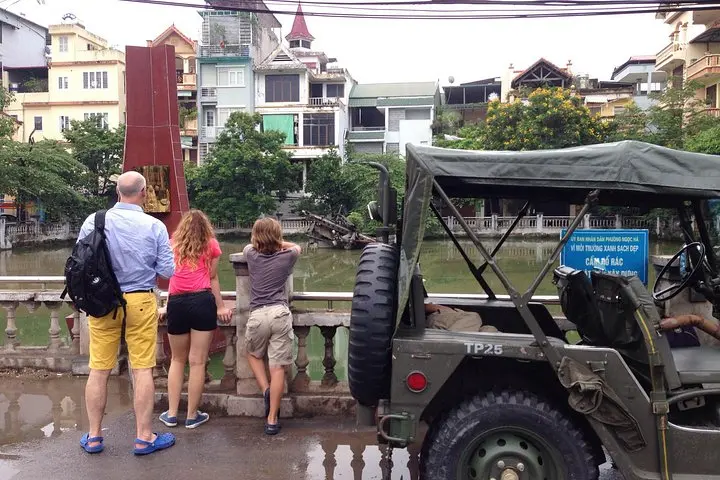
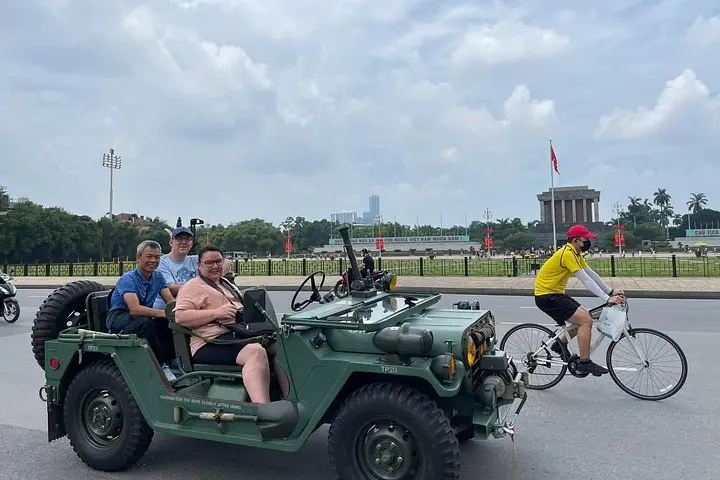
You climb into an open-top military Jeep and the city rearranges itself: narrow streets give way to broad boulevards, colonial facades blur past, and the guide points as fragments of modern history appear—rusted fuselage, a brick tower, a still lake where metal fell from the sky.
Verified experiences and guided adventures in the surrounding area.
Operated by VJT Adventures · Hanoi, Hanoi
You climb into an open-top military Jeep and the city rearranges itself: narrow streets give way to broad boulevards, colonial facades blur past, and the guide points as fragments of modern history appear—rusted fuselage, a brick tower, a still lake where metal fell from the sky.
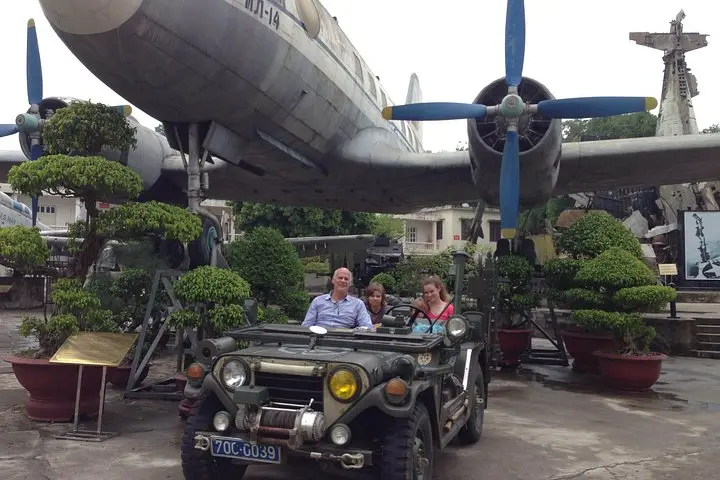
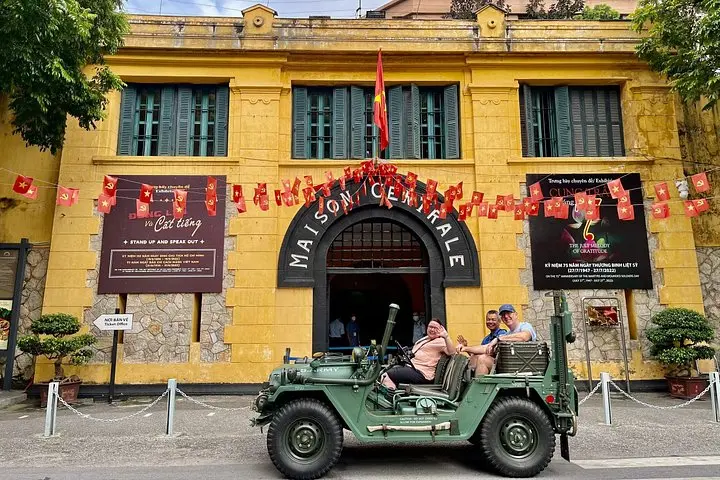
This half-day ride threads through Hanoi’s 20th-century conflicts. Hoa Lo Prison (known as the “Hanoi Hilton” to American airmen) holds French-colonial and wartime exhibitions about prisoners and political struggles. The Vietnam Military History Museum displays artifacts that trace centuries of conflict and includes large outdoor exhibits—jets, artillery, and the welded memorials of downed aircraft. At Huu Tiep Pond and the B‑52 Victory Museum you’ll see preserved wreckage from the 1972 campaign, and the Hanoi Flag Tower rises as a reminder of the city’s resilience and civic identity.
Geology is quiet here—the Red River plain is flat, the clay soils softened by the monsoon—but the urban fabric tells the cultural story: narrow alleys of vendors, war memorials, and government-era architecture.
Practical guidance: the private tour runs about four hours with hotel pickup (selected hotels). Dress smart-casual; bring a light jacket for early mornings or rain, comfortable walking shoes for short museum walks, and small local currency for incidental purchases. Expect city traffic; carry your passport when visiting museums. The Jeep experience is photogenic but close-quartered—check child seating rules when booking. This tour pairs history with easy logistics, ideal for travelers who want concentrated context on Vietnam’s modern past without a full-day commitment.
Admission is generally not included unless specifically stated—check booking details and bring small local currency for museum tickets or donations.
Pickup is offered from selected hotels; confirm your pickup point when booking and allow extra time for city traffic.
Infants must sit on an adult’s lap per tour policy; if a child requires a separate seat, book accordingly as seating is limited.
Outdoor exhibits and exteriors are usually fine to photograph; interior museum policies vary—obey posted signs and staff requests.
VJT Adventures operates guided outdoor trips and adventures with an emphasis on safety, stewardship, and memorable experiences.
You climb into an open-top military Jeep and the city rearranges itself: narrow streets give way to broad boulevards, colonial facades blur past, and the guide points as fragments of modern history appear—rusted fuselage, a brick tower, a still lake where metal fell from the sky.
You climb into an open-top military Jeep and the city rearranges itself: narrow streets give way to broad boulevards, colonial facades blur past, and the guide points as fragments of modern history appear—rusted fuselage, a brick tower, a still lake where metal fell from the sky.
This half-day ride threads through Hanoi’s 20th-century conflicts. Hoa Lo Prison (known as the “Hanoi Hilton” to American airmen) holds French-colonial and wartime exhibitions about prisoners and political struggles. The Vietnam Military History Museum displays artifacts that trace centuries of conflict and includes large outdoor exhibits—jets, artillery, and the welded memorials of downed aircraft. At Huu Tiep Pond and the B‑52 Victory Museum you’ll see preserved wreckage from the 1972 campaign, and the Hanoi Flag Tower rises as a reminder of the city’s resilience and civic identity.
Geology is quiet here—the Red River plain is flat, the clay soils softened by the monsoon—but the urban fabric tells the cultural story: narrow alleys of vendors, war memorials, and government-era architecture.
Practical guidance: the private tour runs about four hours with hotel pickup (selected hotels). Dress smart-casual; bring a light jacket for early mornings or rain, comfortable walking shoes for short museum walks, and small local currency for incidental purchases. Expect city traffic; carry your passport when visiting museums. The Jeep experience is photogenic but close-quartered—check child seating rules when booking. This tour pairs history with easy logistics, ideal for travelers who want concentrated context on Vietnam’s modern past without a full-day commitment.