THE ADVENTURE COLLECTIVE® · Independent discovery and booking for outdoor travel

Step into the high-Andean experiments of the Incas on a half-day from Cusco. Explore concentric agricultural terraces at Moray and the stepped salt pans of Maras, with stops at traditional textile workshops en route.
Step into the high-Andean experiments of the Incas on a half-day from Cusco. Explore concentric agricultural terraces at Moray and the stepped salt pans of Maras, with stops at traditional textile workshops en route.
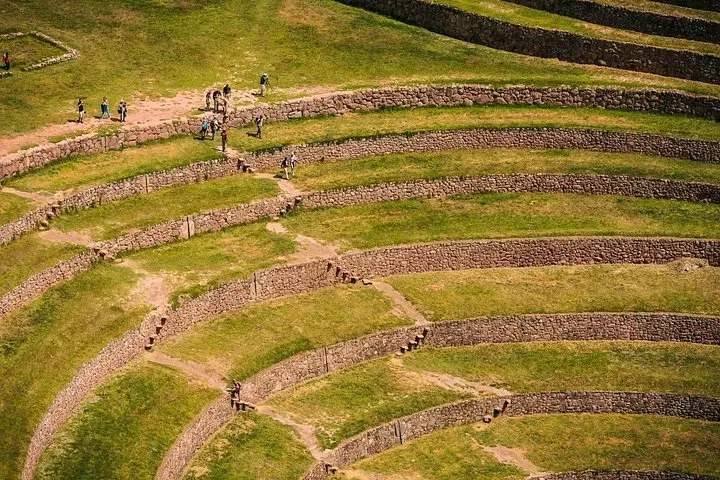
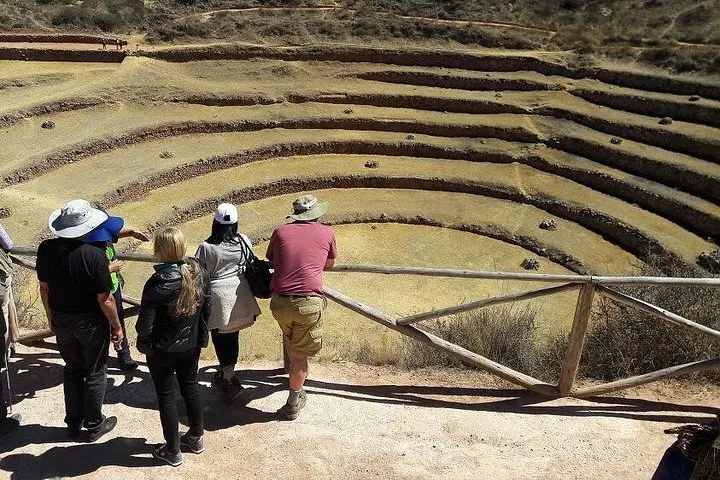
You leave Cusco as the city unravels behind you, the bus climbing into the high valley air. Rolling fields give way to the bowl-like depressions of Moray: concentric terraces carved into the earth, each ring a different microclimate. A guide points out how temperature and vegetation change with each terrace as wind bends around the rim and the sun scours the inner amphitheater.
Verified experiences and guided adventures in the surrounding area.
Operated by Adventure Peru Tours · Maras, Cusco Region
You leave Cusco as the city unravels behind you, the bus climbing into the high valley air. Rolling fields give way to the bowl-like depressions of Moray: concentric terraces carved into the earth, each ring a different microclimate. A guide points out how temperature and vegetation change with each terrace as wind bends around the rim and the sun scours the inner amphitheater.
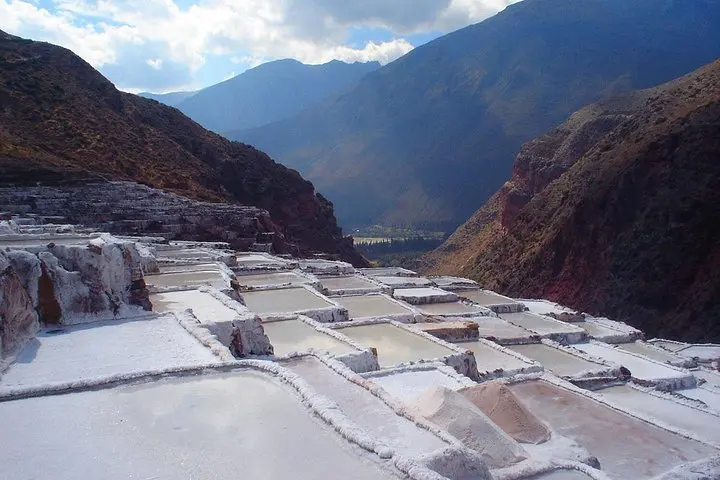
The terraces at Moray are not decorative—they are agricultural laboratories of the Inca, engineered to test crops at dozens of altitude-microclimate combinations. Nearby, the Salineras (Maras salt pans) spill down a slope in stepped, glimmering pools. These shallow basins collect mineral-rich spring water and, when the sun evaporates it, leave thin crusts of salt still harvested by local families using techniques little changed for centuries. The route often includes a stop in Chincheros to visit textile cooperatives where dyeing and weaving remain a living craft.
Practical guidance: this is a 5–6 hour outing with short uphill and downhill walks on uneven stone and dirt paths. Altitude approaches 3,500–3,800 m — pace yourself, hydrate, and avoid heavy exertion on the first day in Cusco. Bring sun protection; the high Andes sun is intense even on cool days. Photography windows are brief at Moray—many groups spend only minutes at the rim—so arrive with lenses ready. The tour usually includes hotel pickup, a bilingual guide, and transport; expect to return to Cusco early afternoon with time to explore the local markets.
Most shared tours depart Cusco mid-morning (around 08:30–09:00) and last about 5–6 hours, returning early afternoon.
Walks are short but on uneven ground and at high altitude; it’s rated moderate — not technical but requires steady footing and moderate exertion.
Yes — Maras sellers offer hand-harvested salt and Chincheros artisans sell textiles; carry small bills and expect limited card acceptance.
Basic facilities exist in major stops like Chincheros and the Maras parking areas, but expect limited amenities at viewpoints and terraces.
Adventure Peru Tours operates guided outdoor trips and adventures with an emphasis on safety, stewardship, and memorable experiences.
You leave Cusco as the city unravels behind you, the bus climbing into the high valley air. Rolling fields give way to the bowl-like depressions of Moray: concentric terraces carved into the earth, each ring a different microclimate. A guide points out how temperature and vegetation change with each terrace as wind bends around the rim and the sun scours the inner amphitheater.
You leave Cusco as the city unravels behind you, the bus climbing into the high valley air. Rolling fields give way to the bowl-like depressions of Moray: concentric terraces carved into the earth, each ring a different microclimate. A guide points out how temperature and vegetation change with each terrace as wind bends around the rim and the sun scours the inner amphitheater.
The terraces at Moray are not decorative—they are agricultural laboratories of the Inca, engineered to test crops at dozens of altitude-microclimate combinations. Nearby, the Salineras (Maras salt pans) spill down a slope in stepped, glimmering pools. These shallow basins collect mineral-rich spring water and, when the sun evaporates it, leave thin crusts of salt still harvested by local families using techniques little changed for centuries. The route often includes a stop in Chincheros to visit textile cooperatives where dyeing and weaving remain a living craft.
Practical guidance: this is a 5–6 hour outing with short uphill and downhill walks on uneven stone and dirt paths. Altitude approaches 3,500–3,800 m — pace yourself, hydrate, and avoid heavy exertion on the first day in Cusco. Bring sun protection; the high Andes sun is intense even on cool days. Photography windows are brief at Moray—many groups spend only minutes at the rim—so arrive with lenses ready. The tour usually includes hotel pickup, a bilingual guide, and transport; expect to return to Cusco early afternoon with time to explore the local markets.