THE ADVENTURE COLLECTIVE® · Independent discovery and booking for outdoor travel

Walk among the scars of past eruptions, enter a lava tube by torchlight and stop at a mountain chalet for lunch on this half-day Mount Etna tour. Small groups and experienced guides make a dramatic volcanic landscape accessible to most travelers.
Walk among the scars of past eruptions, enter a lava tube by torchlight and stop at a mountain chalet for lunch on this half-day Mount Etna tour. Small groups and experienced guides make a dramatic volcanic landscape accessible to most travelers.
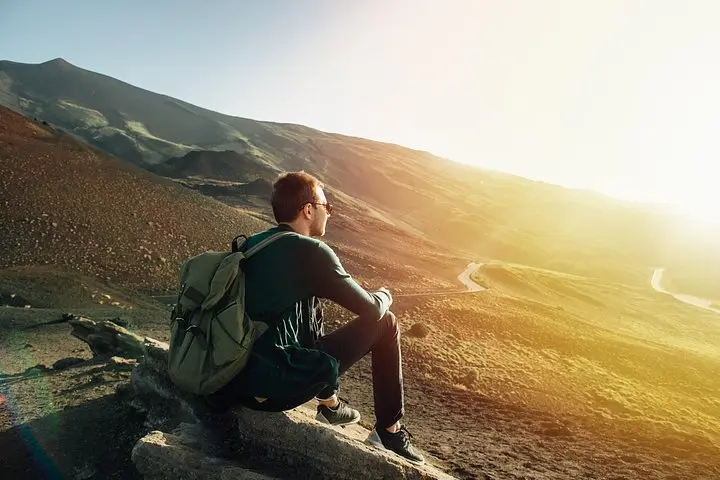
A low cloud parts over blackened ridgelines and the air smells of mineral dust — you step onto the flank of Europe’s most active volcano and the landscape immediately asserts itself.
Verified experiences and guided adventures in the surrounding area.
Operated by MrExcursions · Linguaglossa, Sicily
A low cloud parts over blackened ridgelines and the air smells of mineral dust — you step onto the flank of Europe’s most active volcano and the landscape immediately asserts itself.
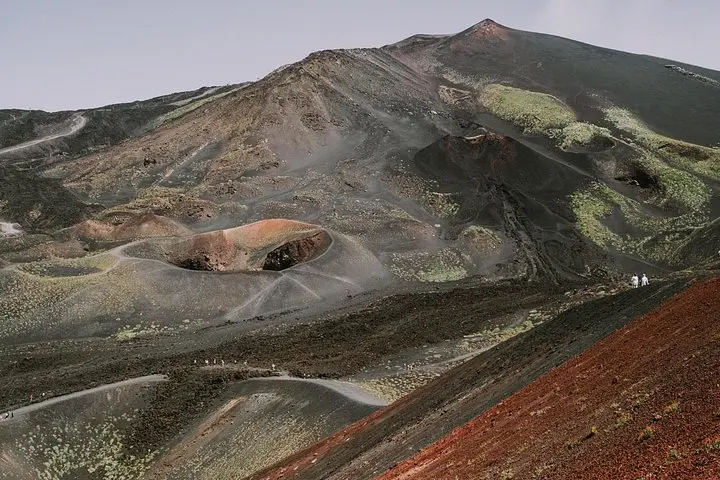
This half-day tour carries you along the northeastern slopes toward craters formed in 1865, across hardened lava flows and into a lava tube where helmets and torches reveal sculpted ceilings and sudden silence. Guides point out the 2002 flow scars near Piano Provenzana, traces of an eruption that reshaped local villages and the ski resort infrastructure.
Etna is a geological record: layers of basalt and scoria stacked by centuries of eruptions, faults and fumaroles that glow faintly on cold mornings. Culturally, the mountain has fed nearby towns with volcanic soil used for vineyards and citrus orchards; local legends about cave thieves and protective saints linger in place names and stories shared on the trail.
Expect about five hours of activity with a two-hour walk over uneven volcanic rock, stops for interpretation and a chalet lunch at roughly 1,500 m. Terrain is loose and jagged in places; paths can be dusty or icy depending on season. Bring sturdy boots, layers for wind and sun, at least 1–1.5 L water, and a small pack for essentials.
Groups are small and guided, with helmets and flashlights provided for cave entry. Time your visit for morning light on the craters and to avoid peak crowds — Etna moves slowly, but conditions can change quickly, so listen to your guide and respect closures.
Plan on about two hours of walking across uneven volcanic terrain, plus stops for cave exploration and viewpoints within the 5–6 hour tour.
Yes — helmets and flashlights are included for safe entry into the lava tube.
The tour is family-friendly but involves uneven surfaces and steps; it’s not recommended for travelers with significant mobility limitations or serious back/heart conditions.
Start and end points are agreed at booking; many operators offer pickup from Catania or nearby towns—confirm pickup details when you book.
MrExcursions operates guided outdoor trips and adventures with an emphasis on safety, stewardship, and memorable experiences.
A low cloud parts over blackened ridgelines and the air smells of mineral dust — you step onto the flank of Europe’s most active volcano and the landscape immediately asserts itself.
A low cloud parts over blackened ridgelines and the air smells of mineral dust — you step onto the flank of Europe’s most active volcano and the landscape immediately asserts itself.
This half-day tour carries you along the northeastern slopes toward craters formed in 1865, across hardened lava flows and into a lava tube where helmets and torches reveal sculpted ceilings and sudden silence. Guides point out the 2002 flow scars near Piano Provenzana, traces of an eruption that reshaped local villages and the ski resort infrastructure.
Etna is a geological record: layers of basalt and scoria stacked by centuries of eruptions, faults and fumaroles that glow faintly on cold mornings. Culturally, the mountain has fed nearby towns with volcanic soil used for vineyards and citrus orchards; local legends about cave thieves and protective saints linger in place names and stories shared on the trail.
Expect about five hours of activity with a two-hour walk over uneven volcanic rock, stops for interpretation and a chalet lunch at roughly 1,500 m. Terrain is loose and jagged in places; paths can be dusty or icy depending on season. Bring sturdy boots, layers for wind and sun, at least 1–1.5 L water, and a small pack for essentials.
Groups are small and guided, with helmets and flashlights provided for cave entry. Time your visit for morning light on the craters and to avoid peak crowds — Etna moves slowly, but conditions can change quickly, so listen to your guide and respect closures.