THE ADVENTURE COLLECTIVE® · Independent discovery and booking for outdoor travel

From Cham brick towers to a monumental Lying Buddha, this half-day circuit out of Mui Ne mixes coastal culture with a short mountain ascent. Expect harbor scenes, temple steps, and a dragon fruit farm stop.
From Cham brick towers to a monumental Lying Buddha, this half-day circuit out of Mui Ne mixes coastal culture with a short mountain ascent. Expect harbor scenes, temple steps, and a dragon fruit farm stop.
The morning light along the South China Sea cuts across fishing nets as you leave Mui Ne and head toward Phan Thiet — salt-slick air, a low hum of boats, and a road that climbs inland toward Ta Cu Mountain. The tour threads history and landscape: first the brick towers of Poshanu (Po Sa Nhu) where Cham stonework peeks from scrubland, then the busy harbor where fishermen haul nets and daily life is on full view.
Verified experiences and guided adventures in the surrounding area.
Operated by Authentuc PU LUONG · Mui Ne, Binh Thuan
The morning light along the South China Sea cuts across fishing nets as you leave Mui Ne and head toward Phan Thiet — salt-slick air, a low hum of boats, and a road that climbs inland toward Ta Cu Mountain. The tour threads history and landscape: first the brick towers of Poshanu (Po Sa Nhu) where Cham stonework peeks from scrubland, then the busy harbor where fishermen haul nets and daily life is on full view.
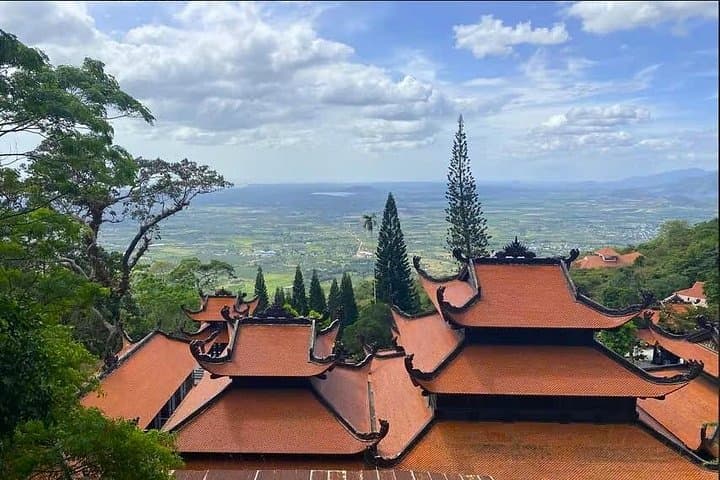
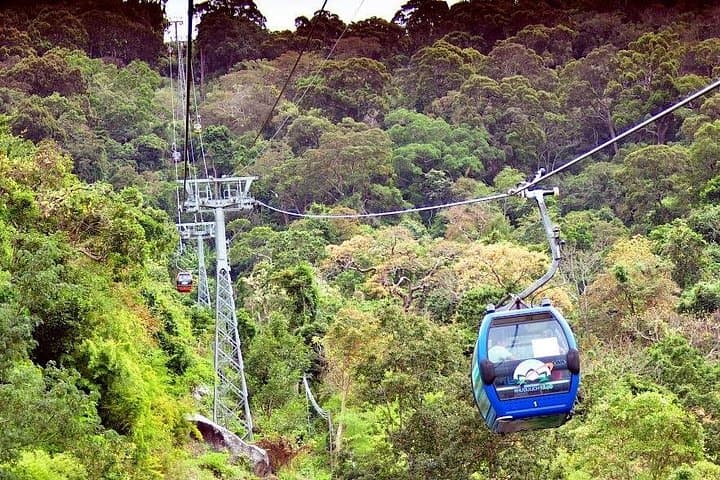
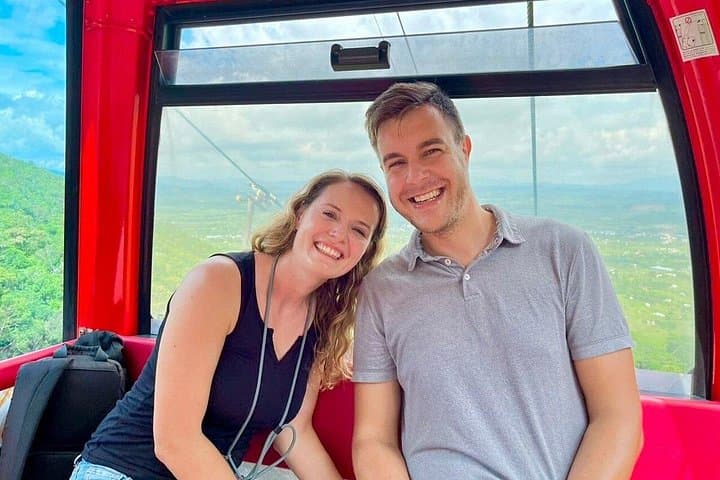
Van Thuy Tu Palace sits near the waterfront with its revered whale skeleton and ritual objects tied to a centuries-old coastal fishing culture. Ta Cu Mountain shifts the mood from coastal commerce to green quiet: a short cable-car ride, then a stair approach past statues to the 49-meter Lying Buddha — a vast, contemplative figure carved into limestone and forest.
Geologically this stretch of Bình Thuận is coastal sandstone and low ridges, rain-scrubbed in the wet season and dry and dusty in the sun. Culturally you’ll see Cham architecture dating back to the Champa kingdom and living fishing traditions still centered on seasonal catches and the Nghinh Ong festival.
Practical guidance: this is a half-day, low-impact outing with short walks and stair climbs — bring sun protection, comfortable shoes for the temple steps, and a light rain layer in the monsoon months. Expect photographic stops at the harbor, a modest admission at Ta Cu, and a quick visit to a dragon fruit farm where growers explain grafting and irrigation. The pace is steady: history, harbor life, mountain shrine, then a return to Mui Ne before the heat peaks.
Plan about 1.5–2 hours at Ta Cu including the cable-car ride, the stair approach to the Lying Buddha, and time to take in the viewpoints.
Yes — the cable car reduces strenuous climbing and the itinerary is paced; people with serious cardiovascular issues should consult their doctor.
According to the itinerary, entrance tickets and a round-trip cable-car ride at Ta Cu are included in the tour price.
Yes — private car pick-up and drop-off in Mui Ne and Phan Thiet areas is part of the tour inclusions.
Authentuc PU LUONG operates guided outdoor trips and adventures with an emphasis on safety, stewardship, and memorable experiences.
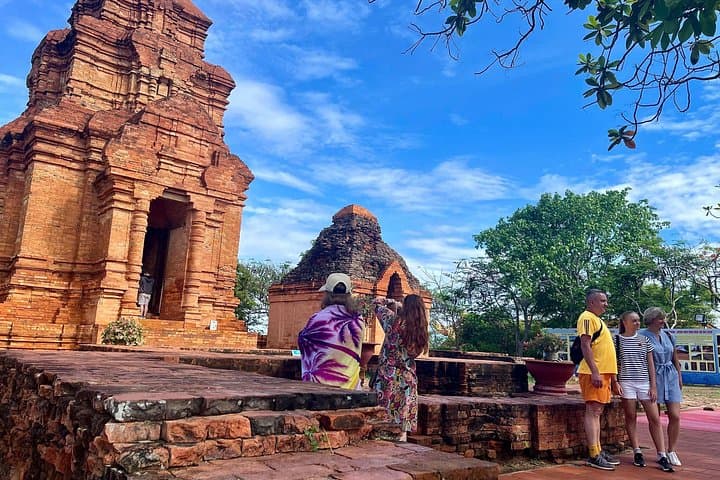
The morning light along the South China Sea cuts across fishing nets as you leave Mui Ne and head toward Phan Thiet — salt-slick air, a low hum of boats, and a road that climbs inland toward Ta Cu Mountain. The tour threads history and landscape: first the brick towers of Poshanu (Po Sa Nhu) where Cham stonework peeks from scrubland, then the busy harbor where fishermen haul nets and daily life is on full view.
The morning light along the South China Sea cuts across fishing nets as you leave Mui Ne and head toward Phan Thiet — salt-slick air, a low hum of boats, and a road that climbs inland toward Ta Cu Mountain. The tour threads history and landscape: first the brick towers of Poshanu (Po Sa Nhu) where Cham stonework peeks from scrubland, then the busy harbor where fishermen haul nets and daily life is on full view.
Van Thuy Tu Palace sits near the waterfront with its revered whale skeleton and ritual objects tied to a centuries-old coastal fishing culture. Ta Cu Mountain shifts the mood from coastal commerce to green quiet: a short cable-car ride, then a stair approach past statues to the 49-meter Lying Buddha — a vast, contemplative figure carved into limestone and forest.
Geologically this stretch of Bình Thuận is coastal sandstone and low ridges, rain-scrubbed in the wet season and dry and dusty in the sun. Culturally you’ll see Cham architecture dating back to the Champa kingdom and living fishing traditions still centered on seasonal catches and the Nghinh Ong festival.
Practical guidance: this is a half-day, low-impact outing with short walks and stair climbs — bring sun protection, comfortable shoes for the temple steps, and a light rain layer in the monsoon months. Expect photographic stops at the harbor, a modest admission at Ta Cu, and a quick visit to a dragon fruit farm where growers explain grafting and irrigation. The pace is steady: history, harbor life, mountain shrine, then a return to Mui Ne before the heat peaks.